Nepal
A photo journal • October 2025
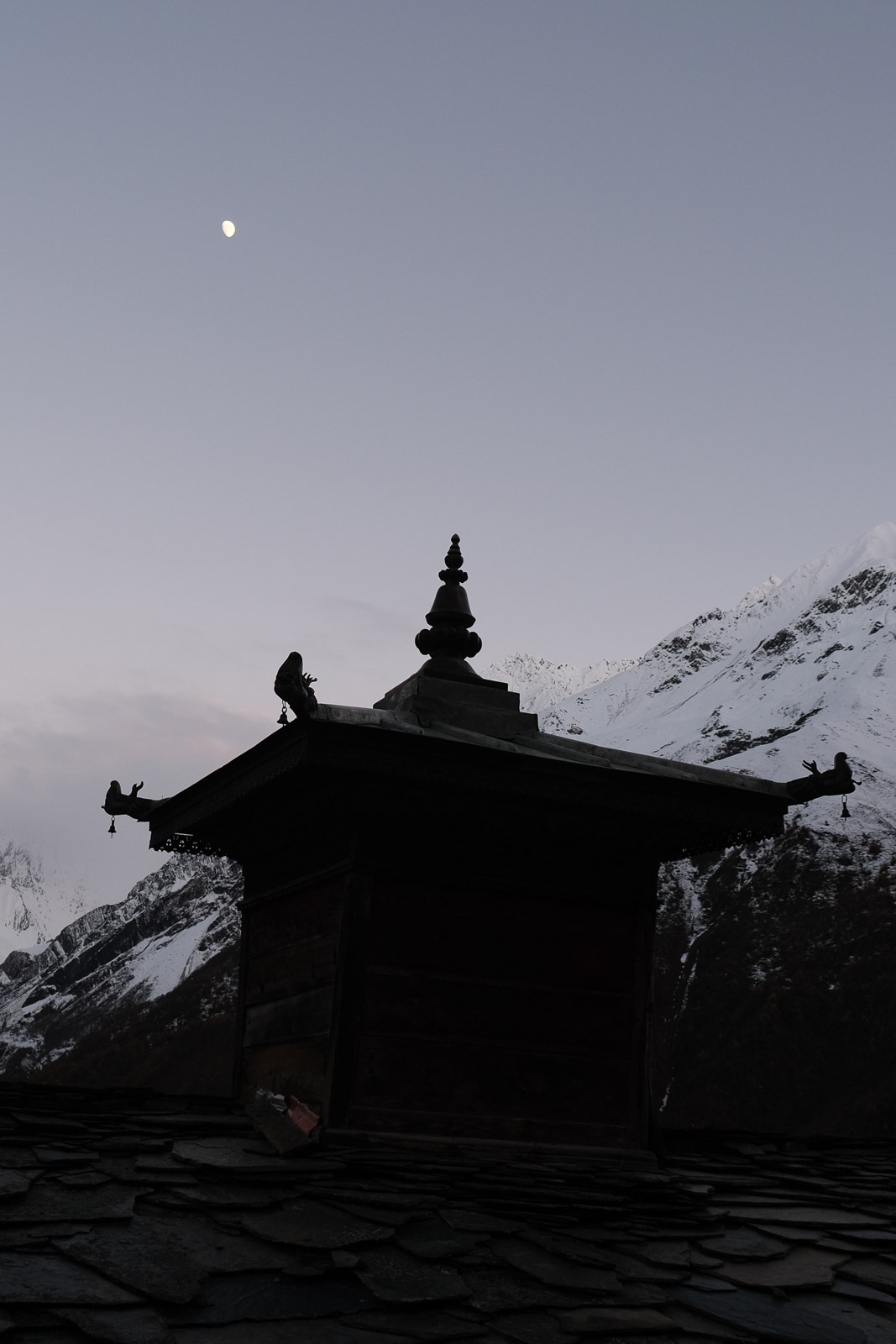
23 Days on the Trail
All photos are my own; shot on Fujifilm XT30.
Rather than a detailed account of the trek, this post is intended as a visual diary: a collection of photographs capturing the landscapes, rhythm, and memorable moments of the journey.
Kathmandu Valley
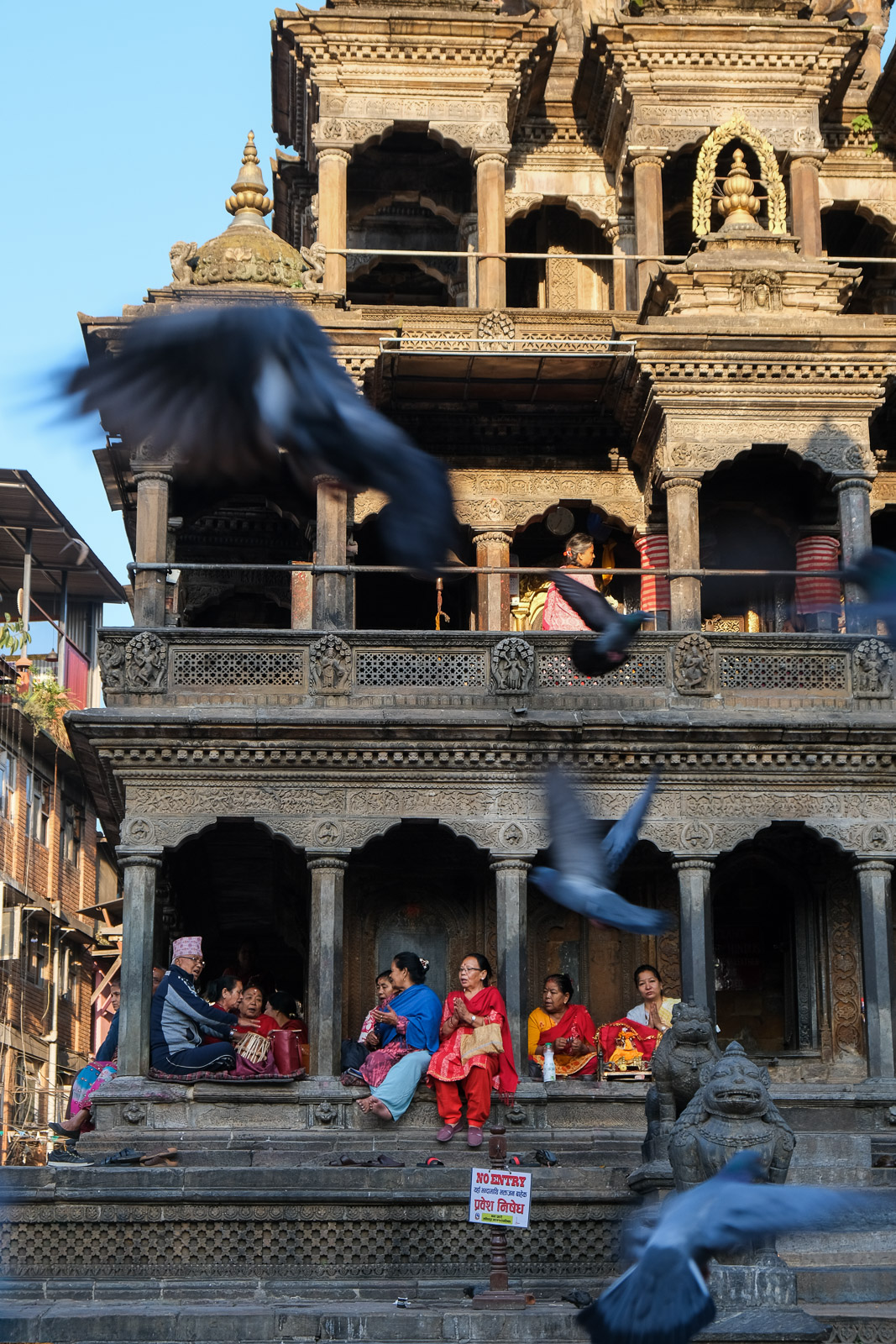
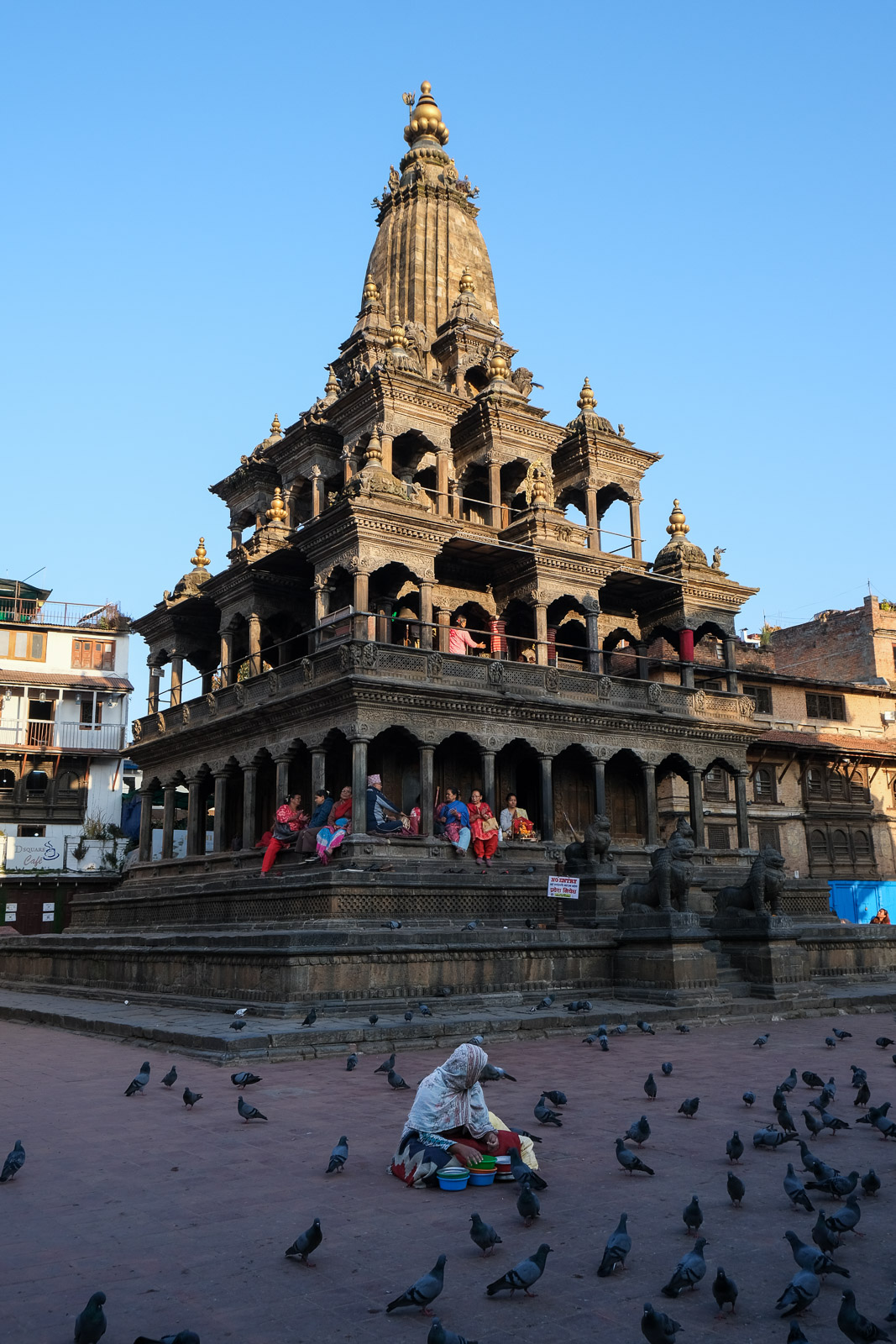
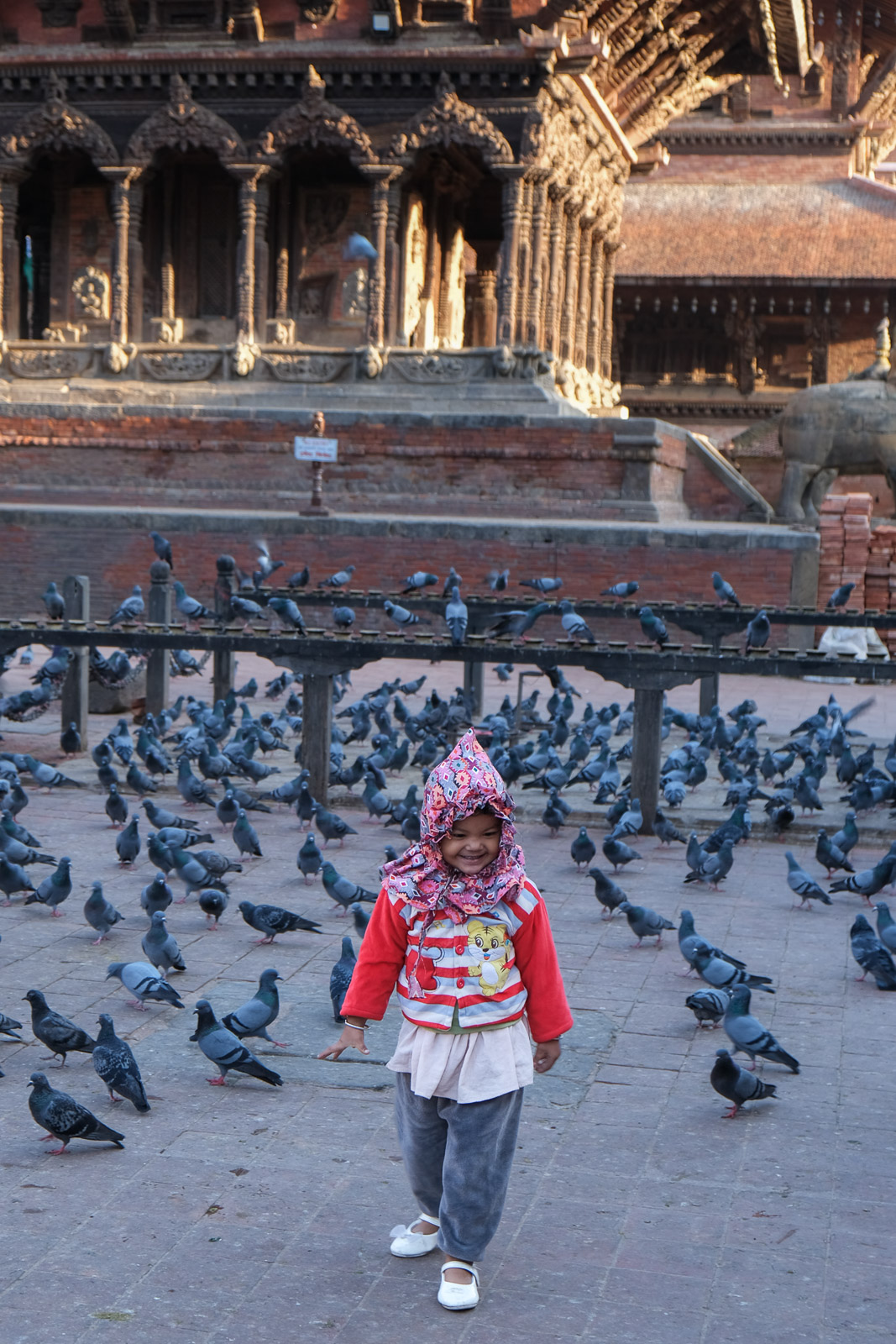
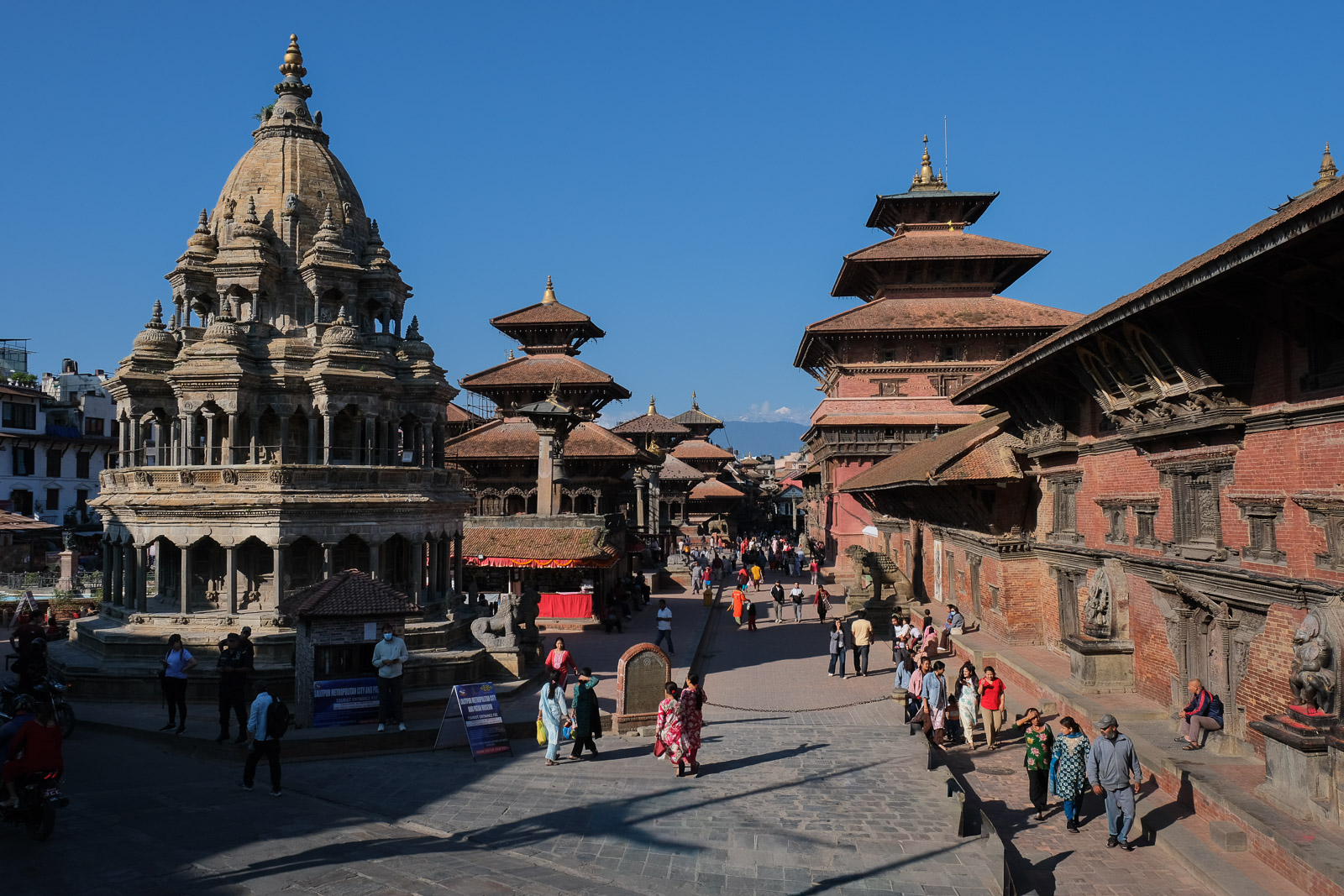
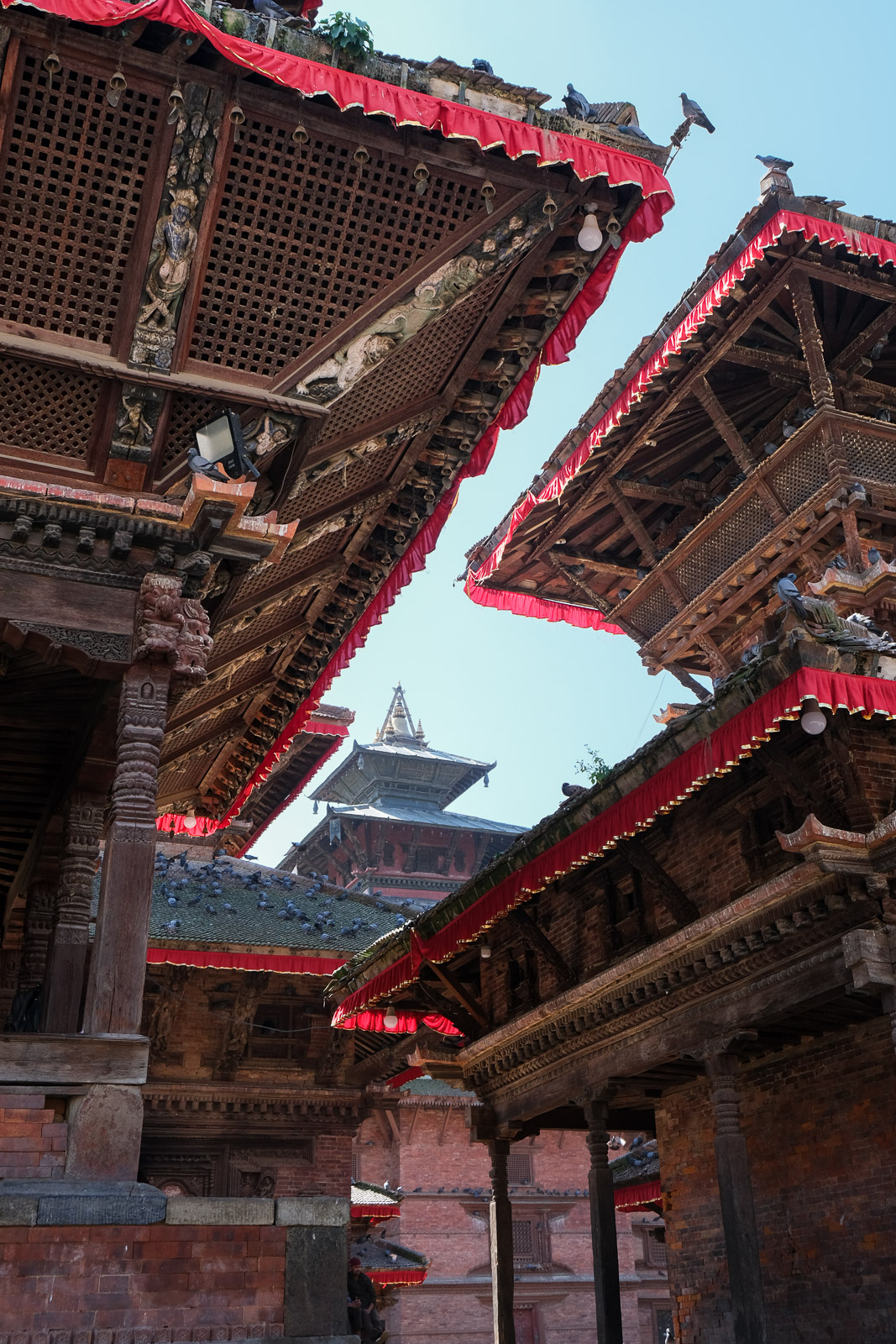
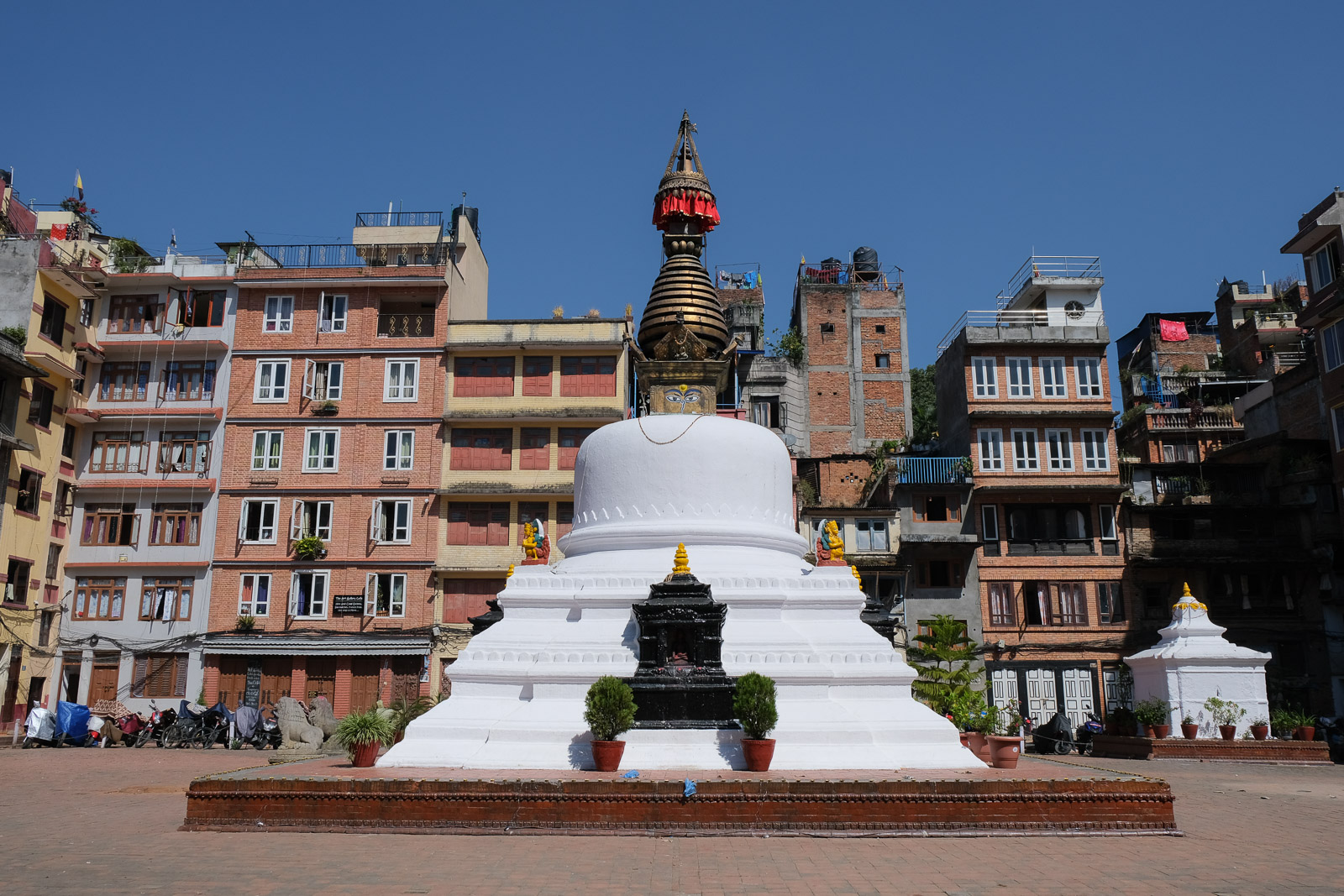
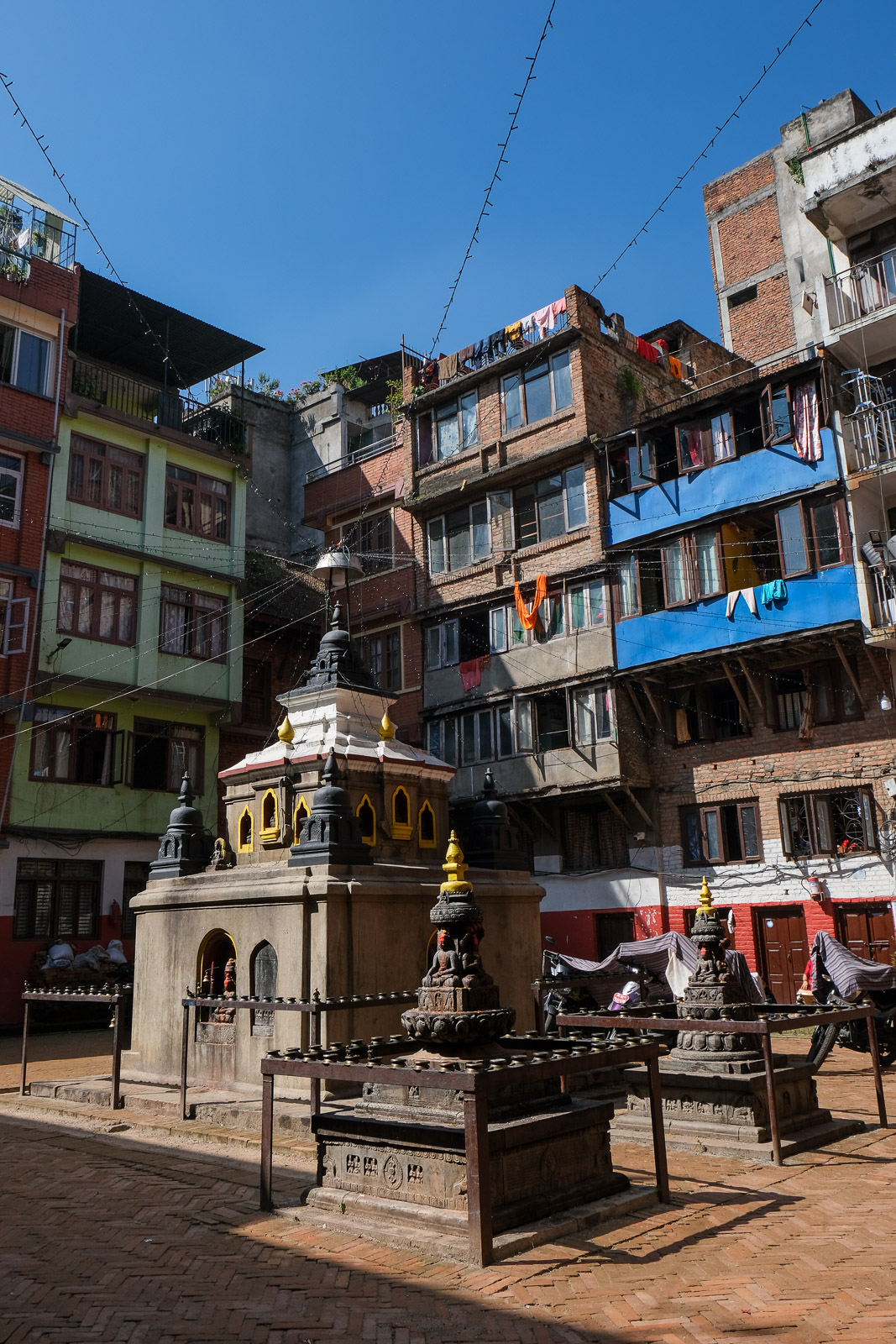
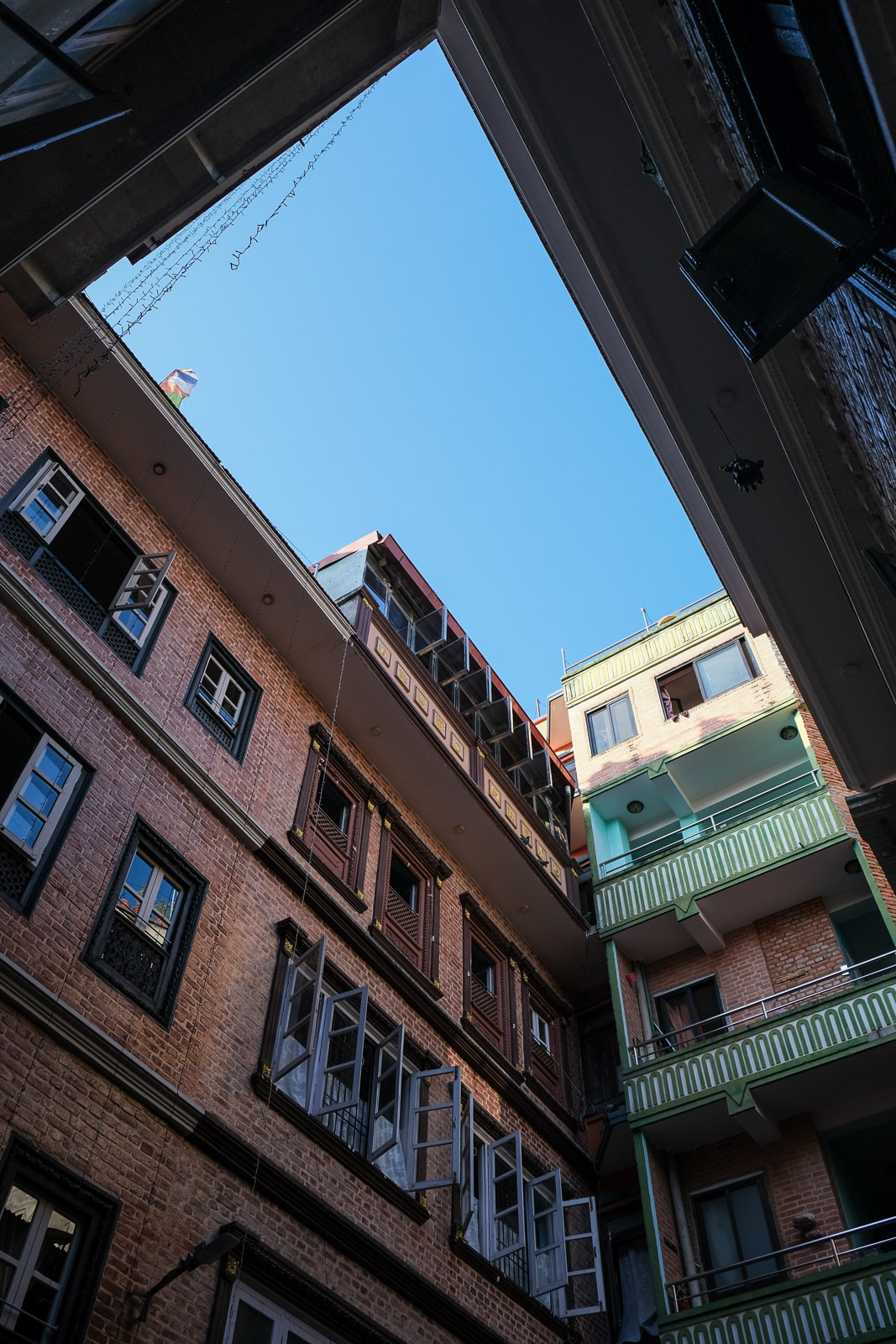
Patan
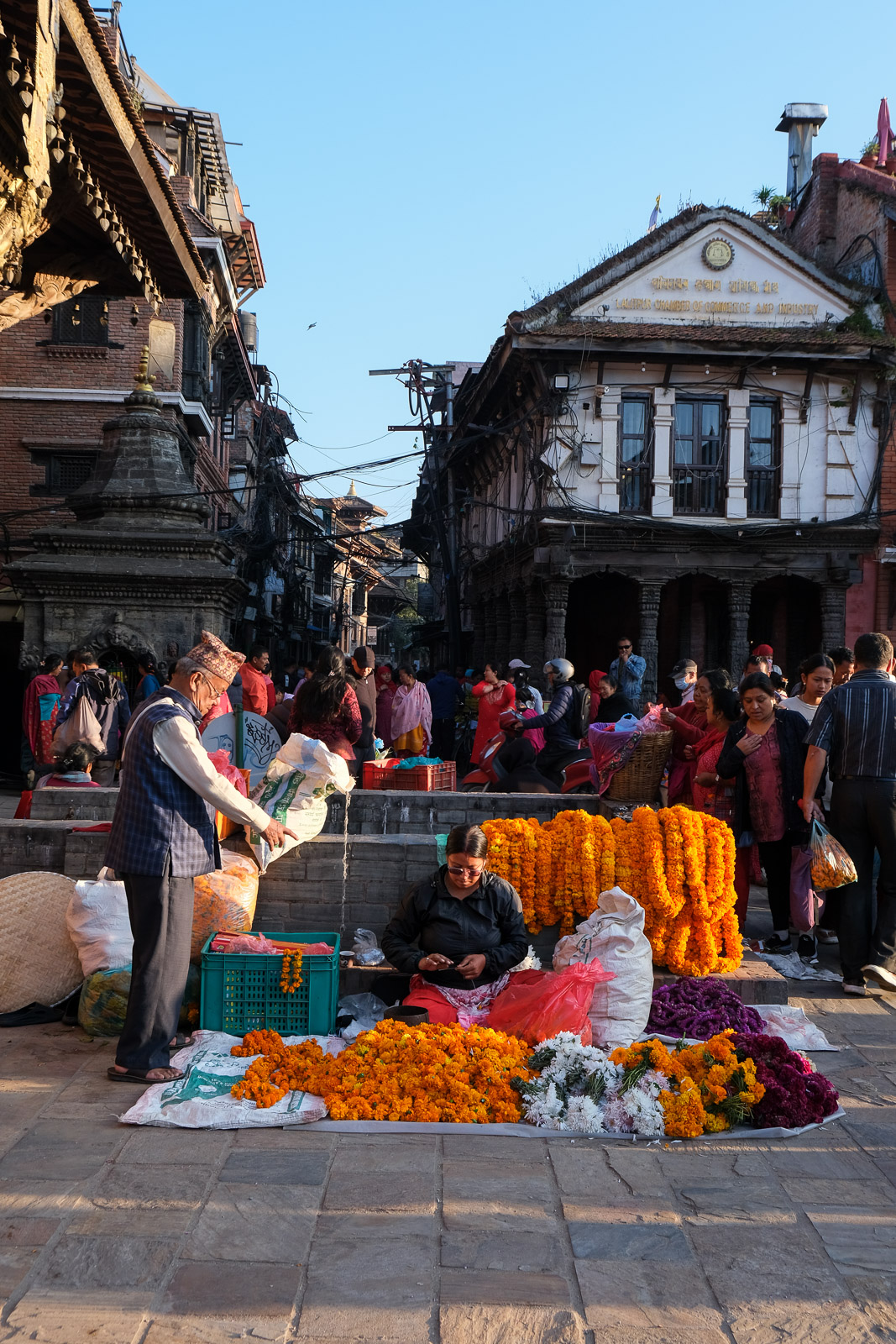
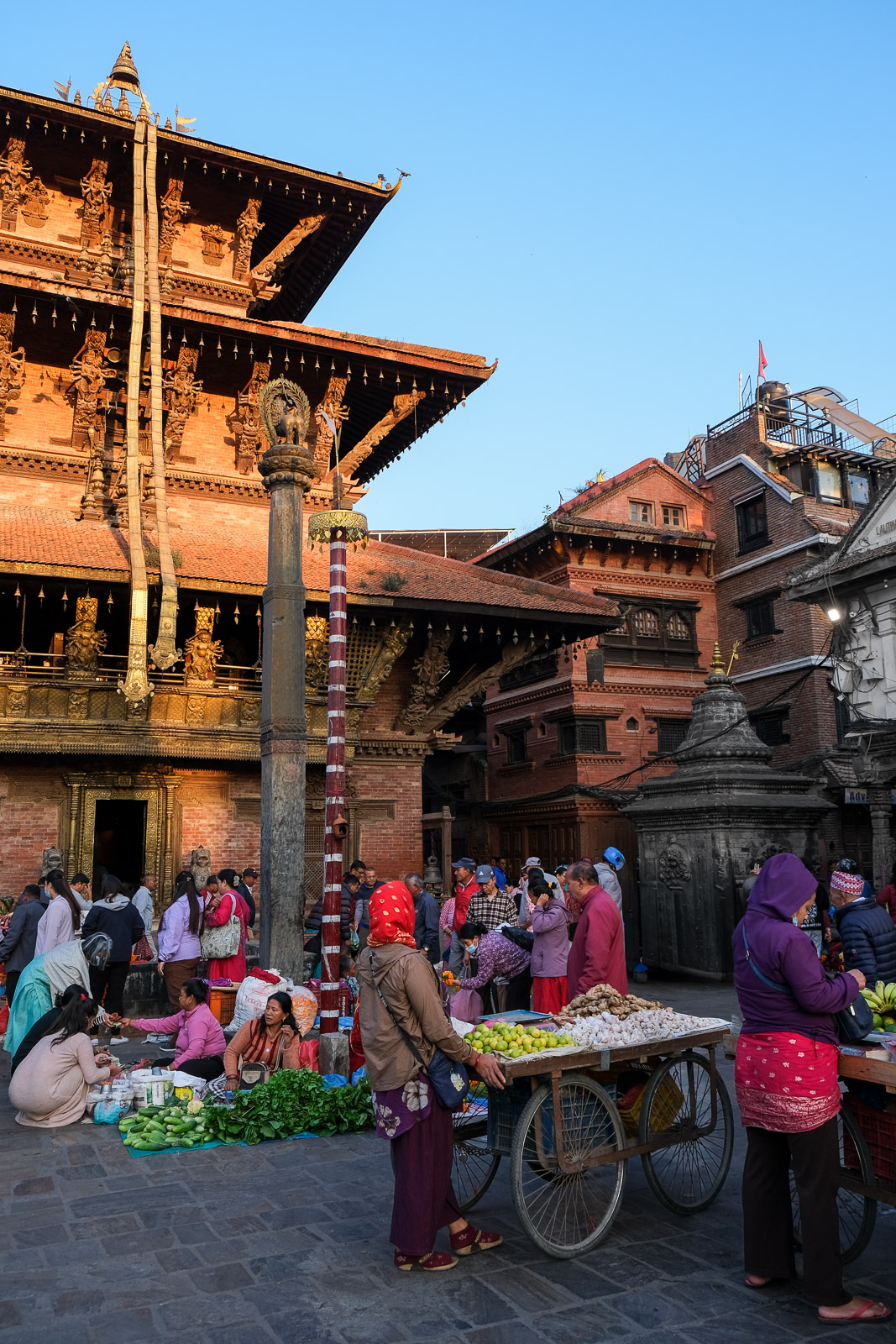
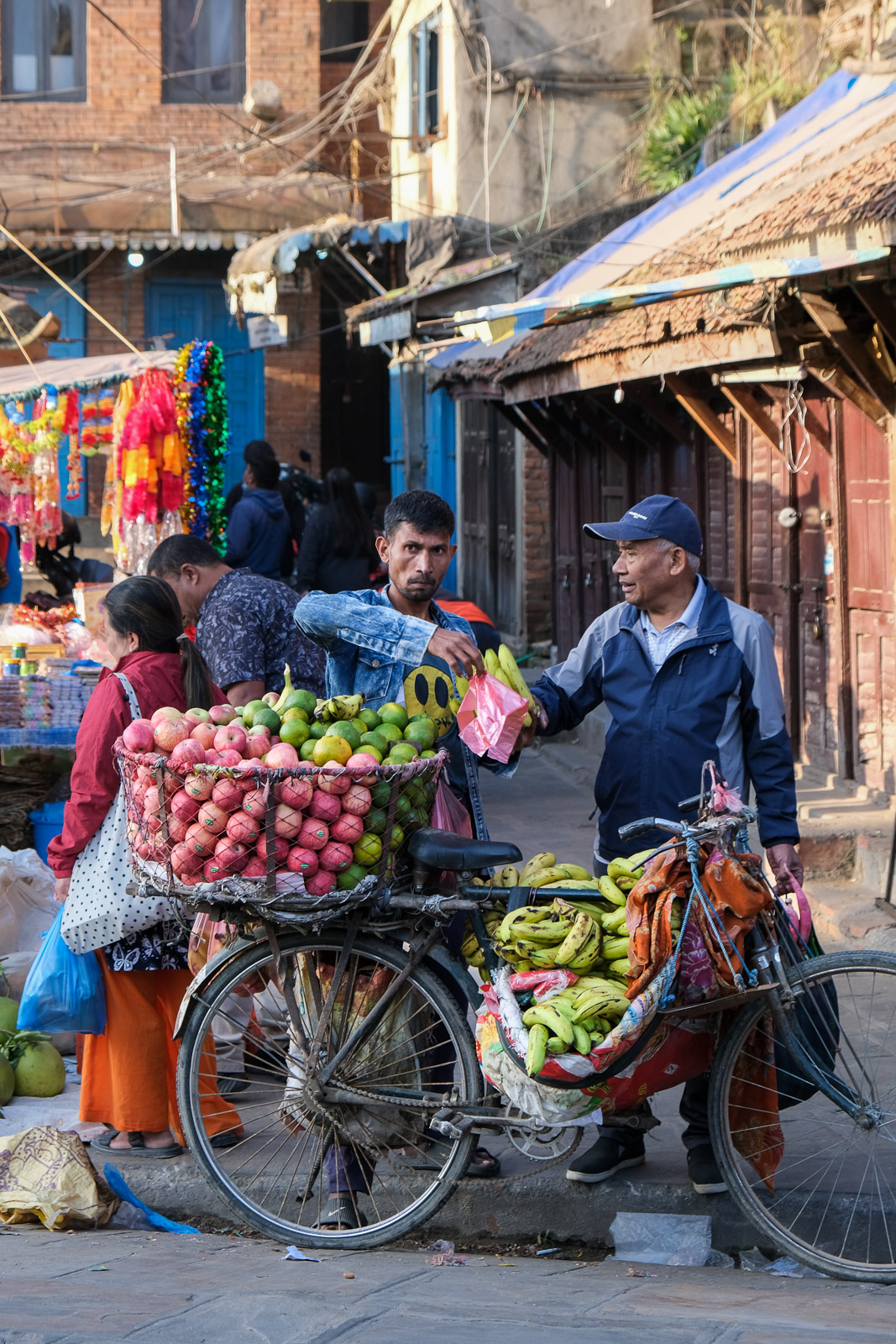
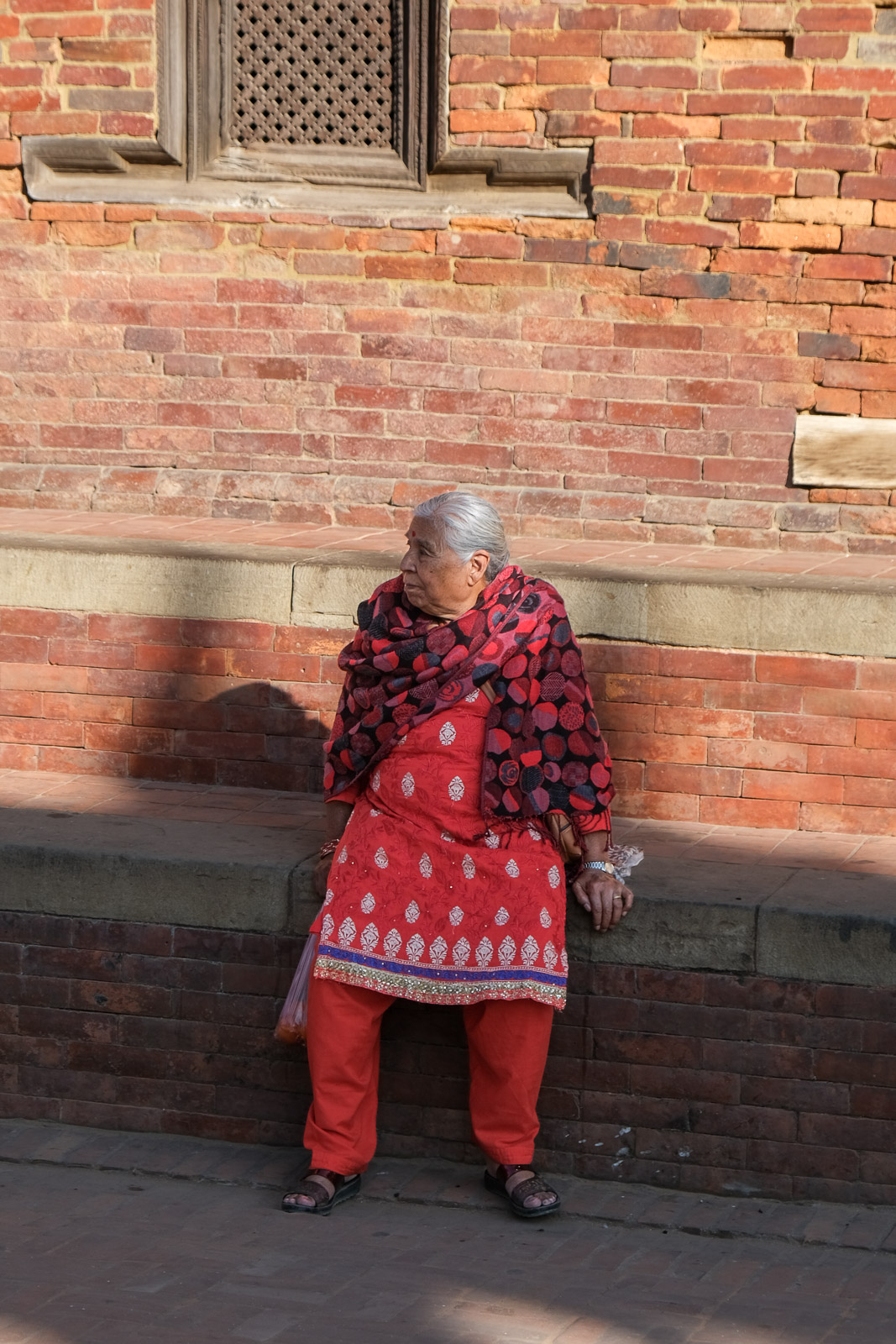
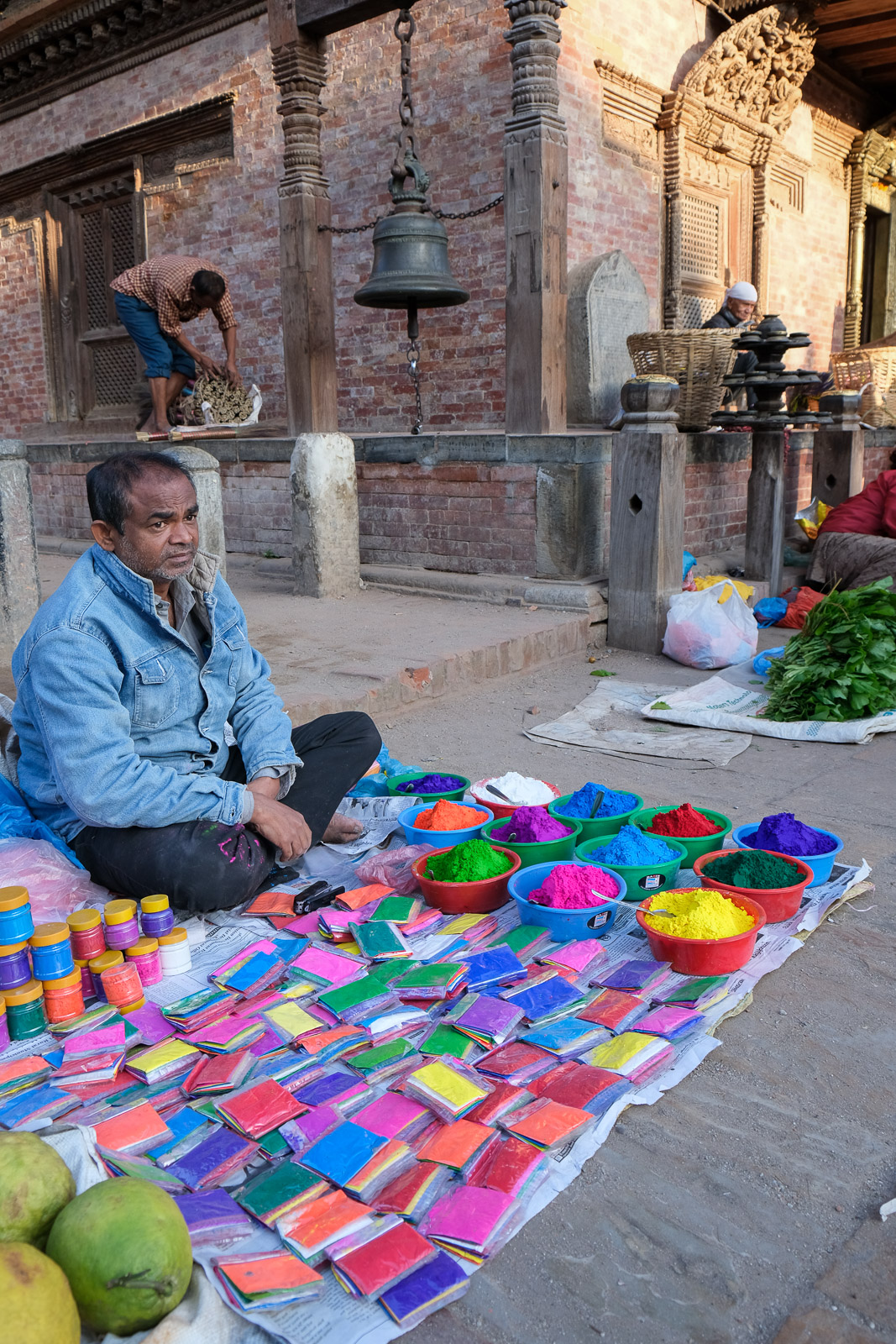
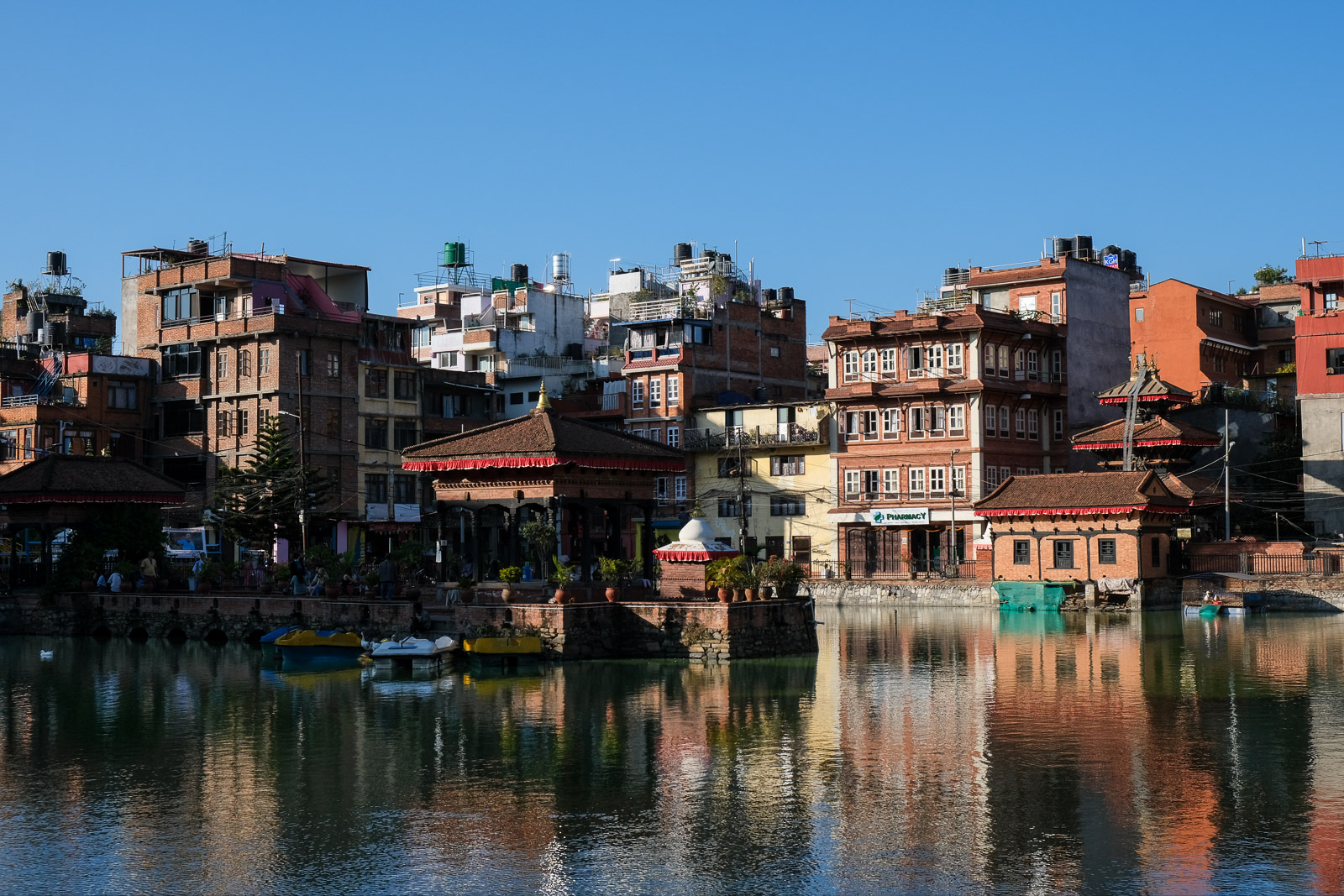
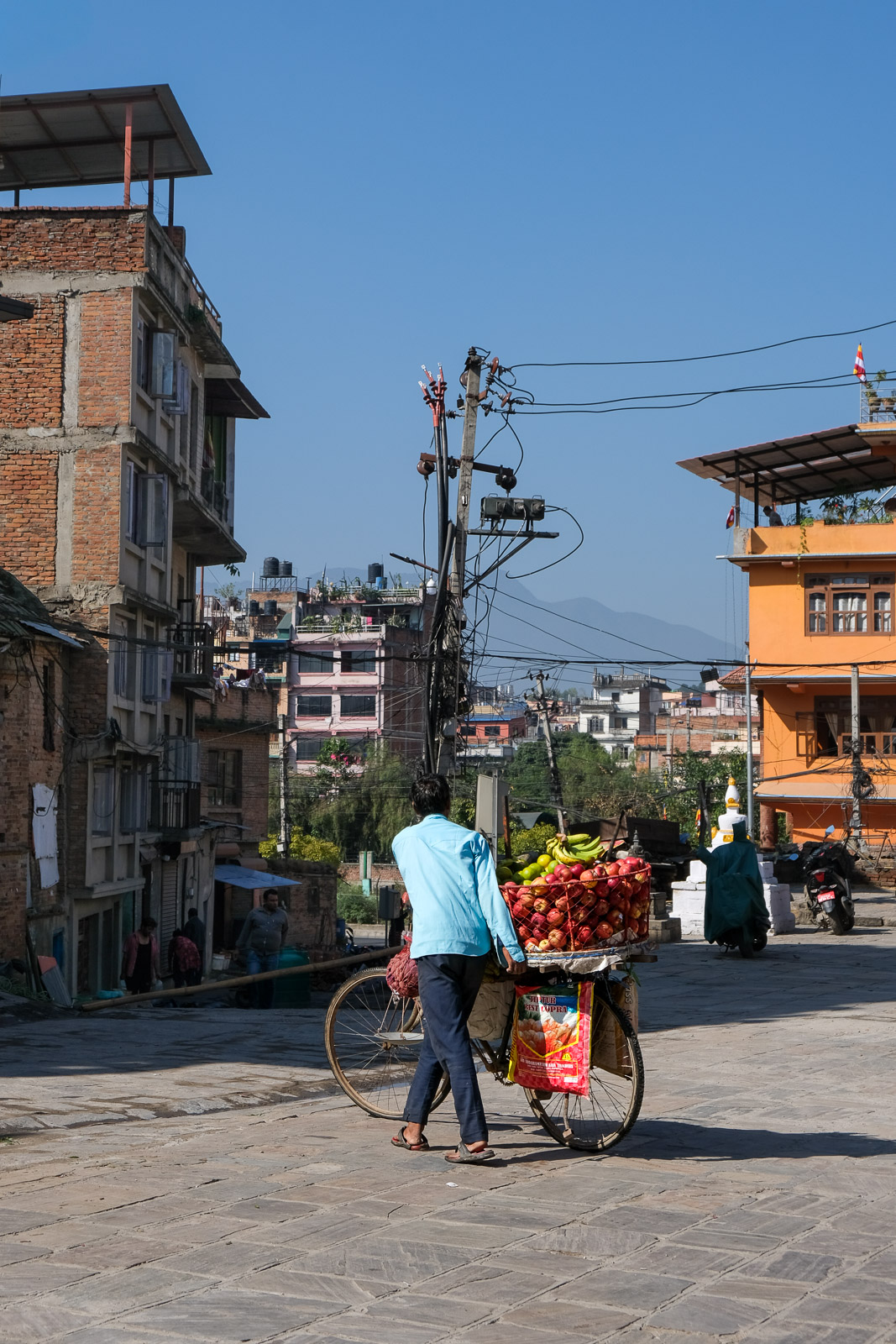
Known for its remarkable Newari architecture and rich artistic heritage, Patan is a city best explored slowly. Beyond its temple squares, the charm lies in wandering through its narrow lanes and stumbling across quiet courtyards and everyday moments.
Patan made for an excellent base before setting off on our trek. We stayed at Yamba Traditional Home (a stay I would wholeheartedly recommend) and explored beyond the city by motorcycle with Aayush (+988 981-8284151).
Swayambunath
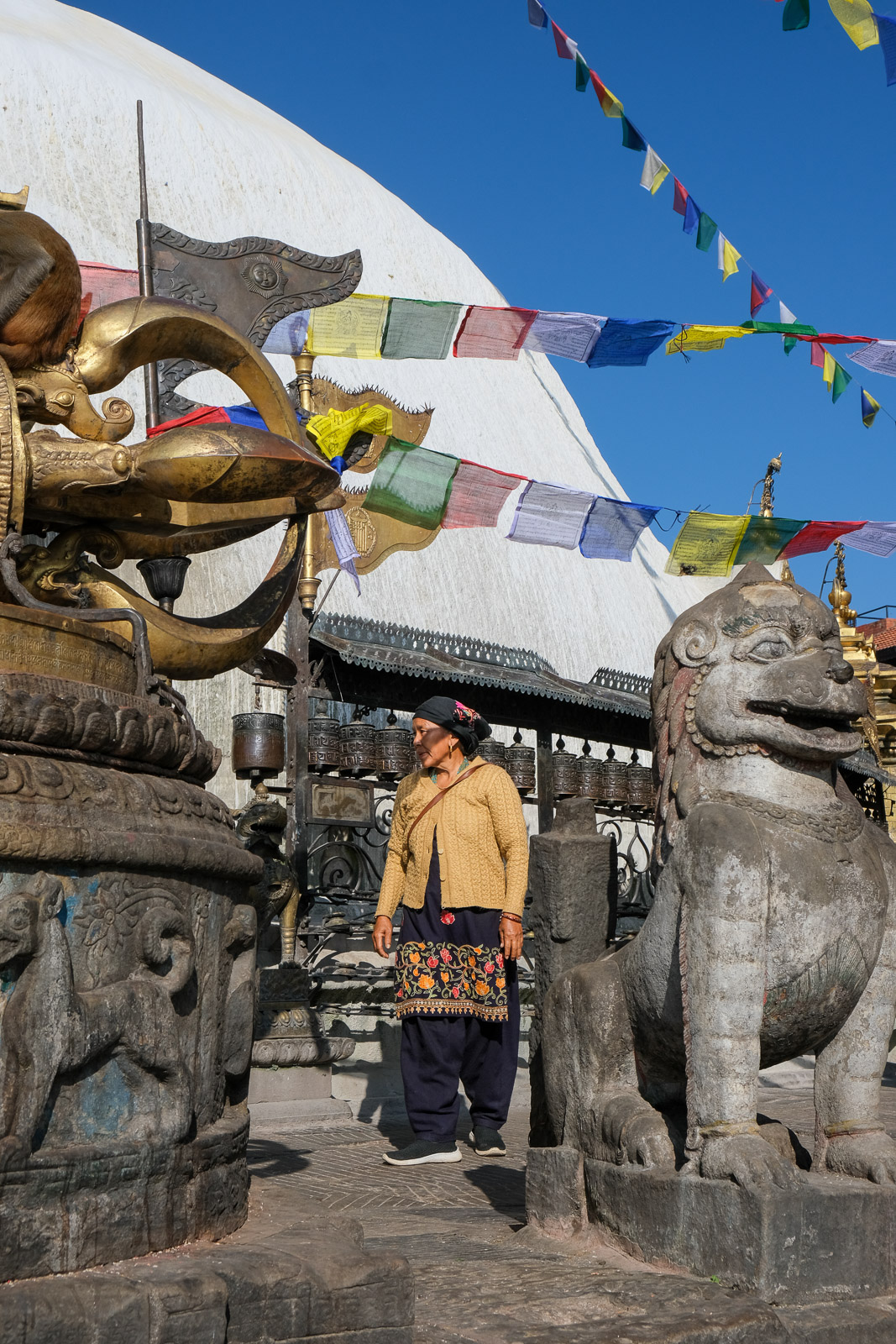
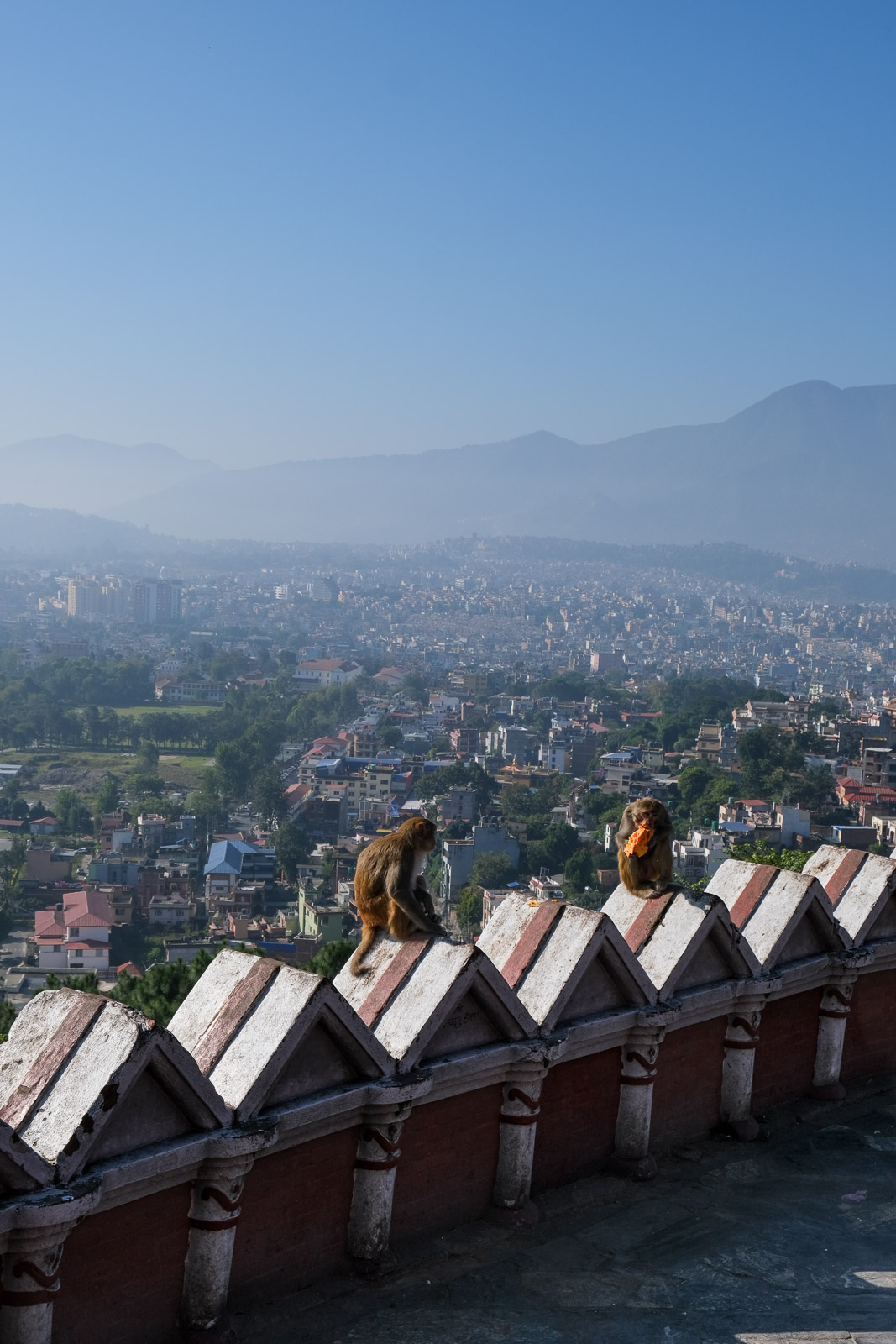
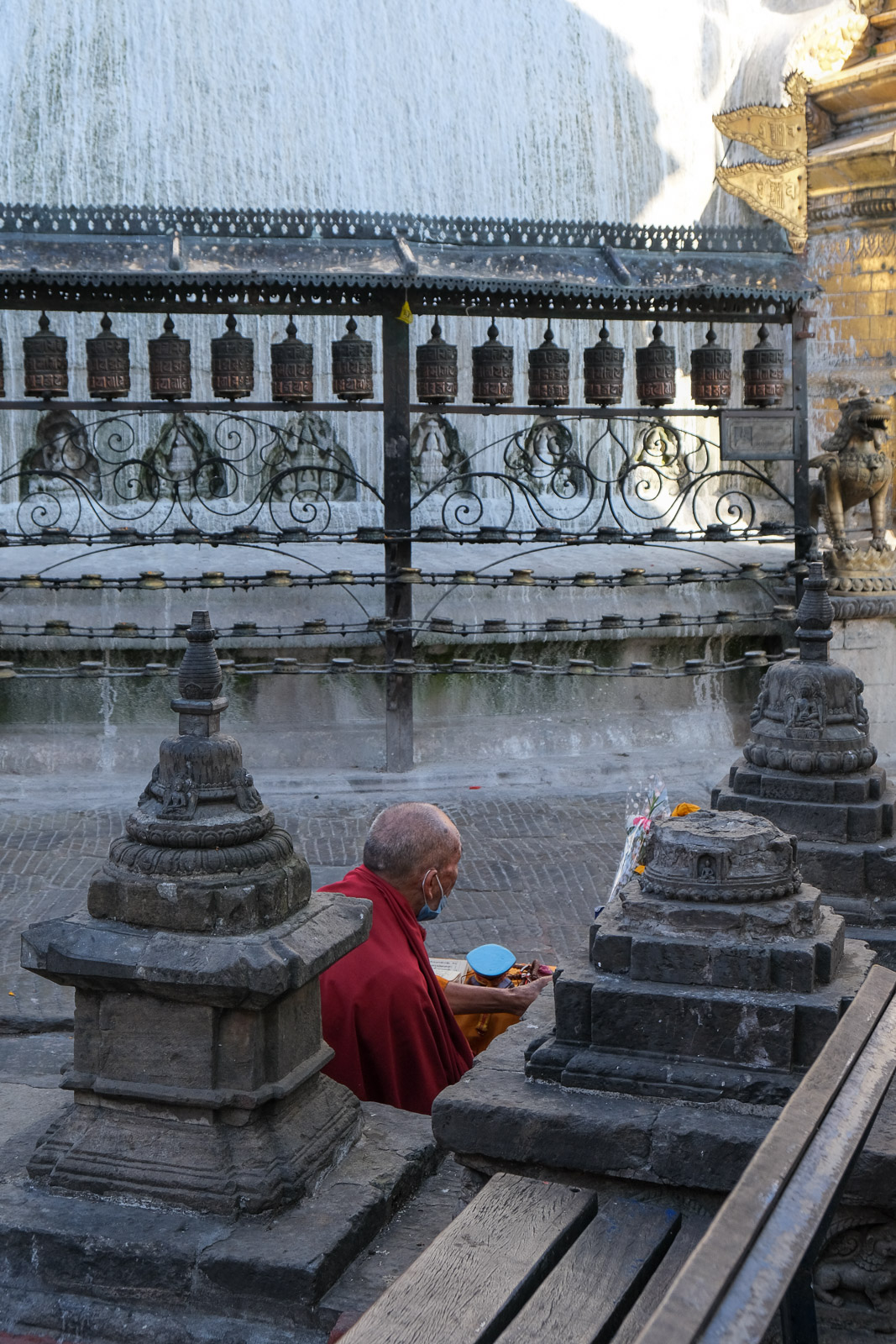
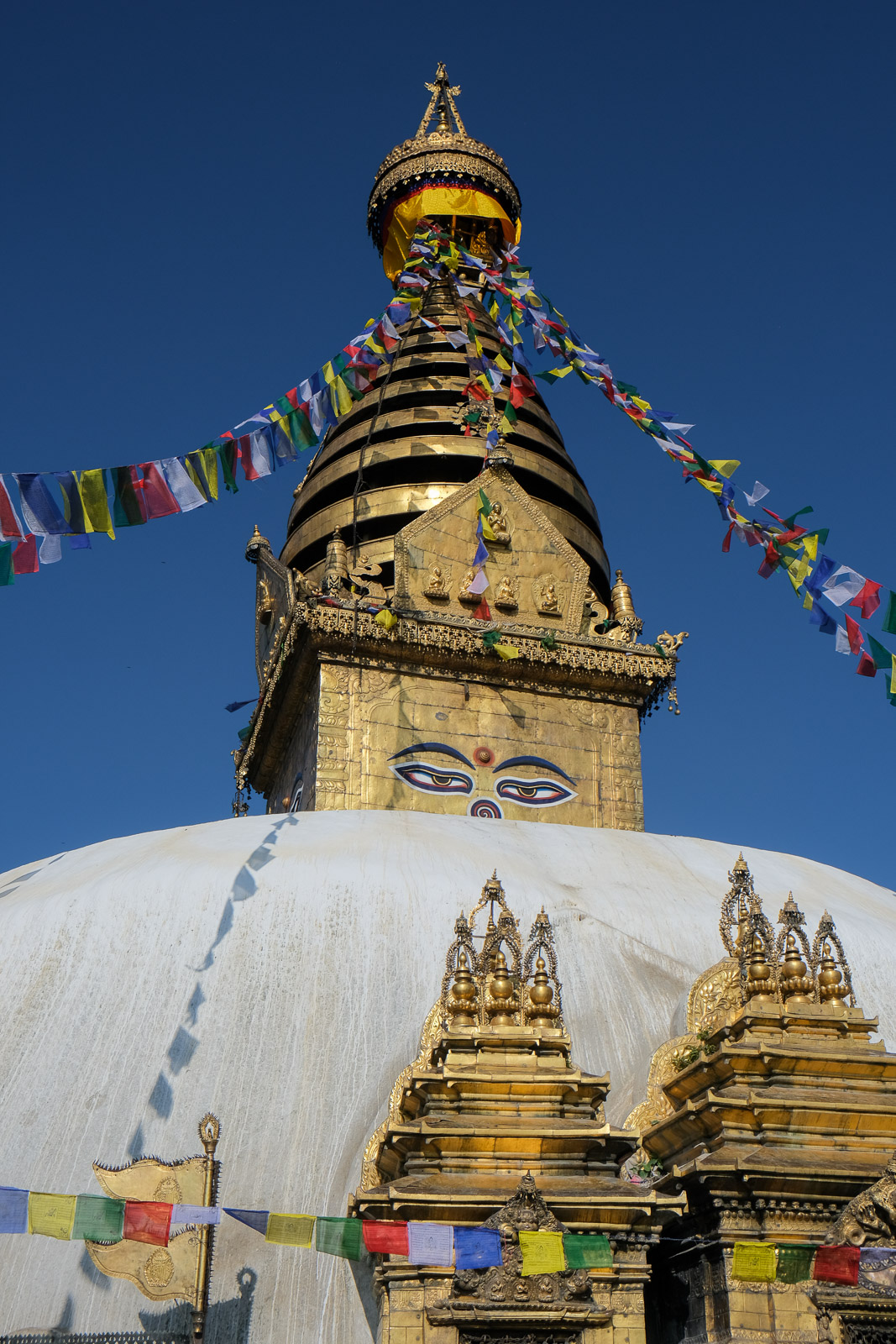
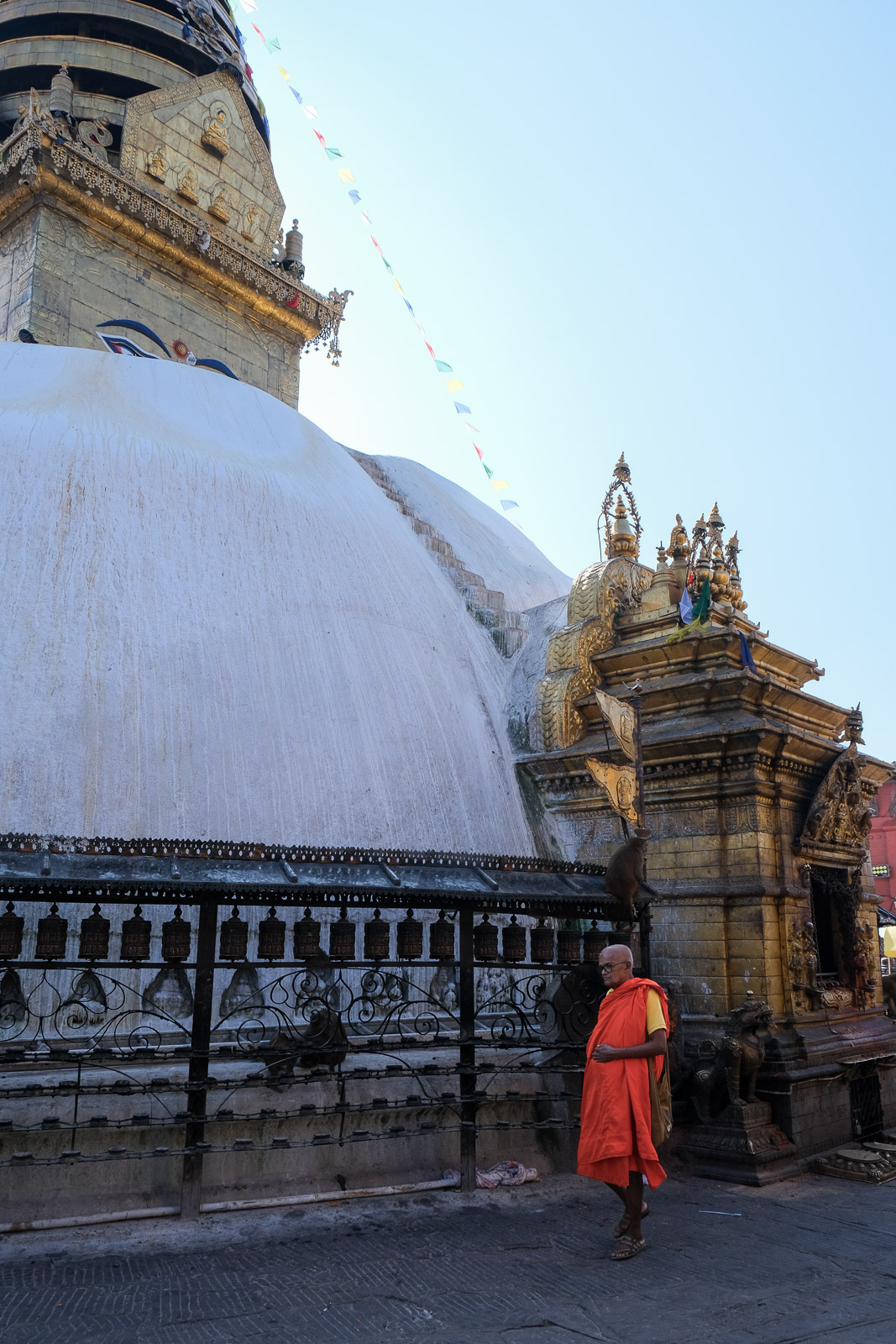
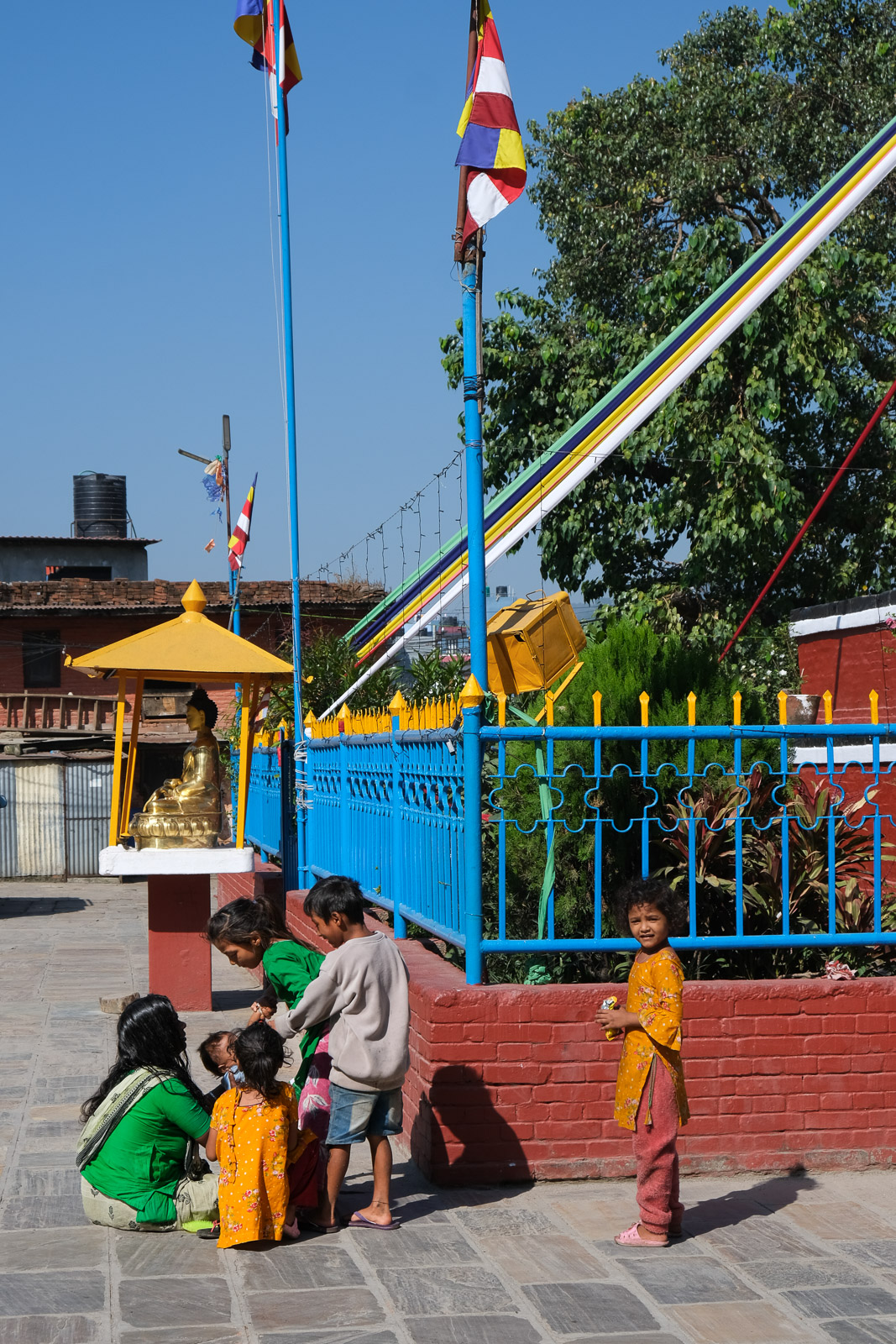
Often referred to as the Monkey Temple, Swayambhunath is perched on a hill overlooking the valley and is one of Kathmandu's most recognizable religious sites. Climbing the steps to the top reveals a mix of shrines, spinning prayer wheels, and a constant rhythm of local life and devotion.
Kathmandu Durbar Square
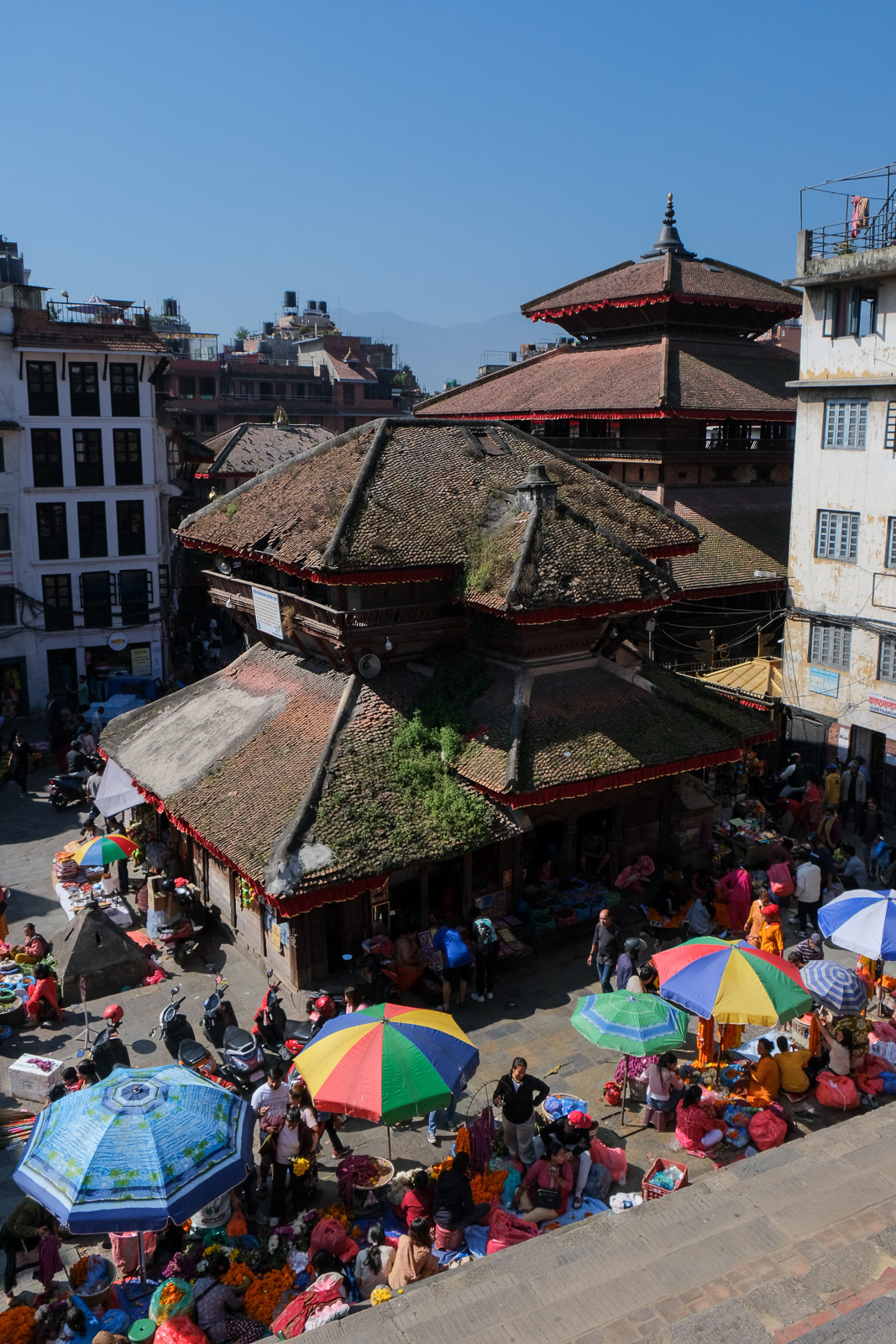
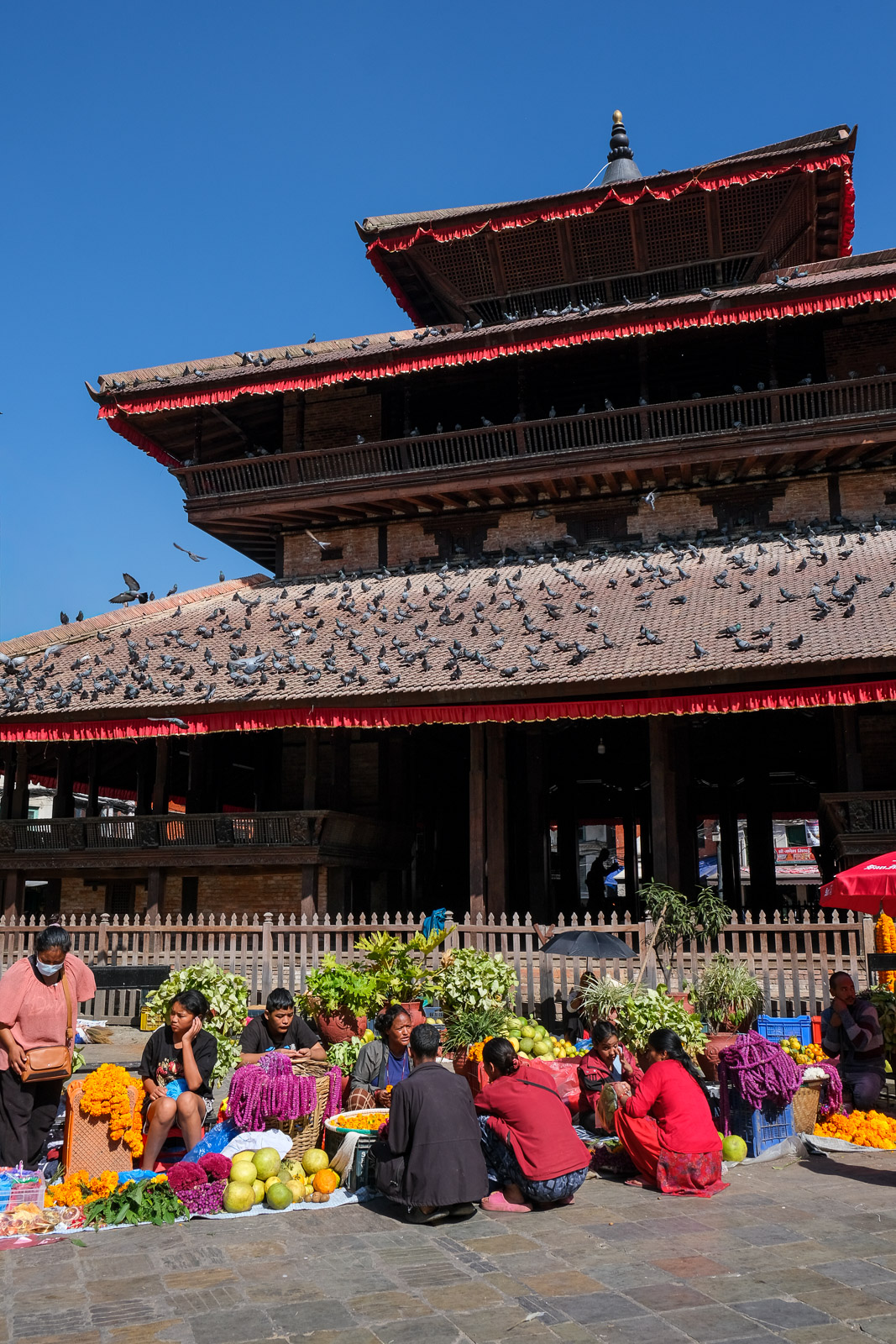
Once the royal heart of Kathmandu, Kathmandu Durbar Square is a lively collection of temples, courtyards, and historic buildings where the city’s history still feels very much alive. Despite the damage from the 2015 earthquake and ongoing restoration efforts, the square remains one of the most atmospheric places to wander in the city.
Rupina La Pass
As the first two days of the Manaslu Circuit are often described as following recently constructed rough roads, we looked into alternative approaches that would allow us to avoid those sections.
This led us to two possible starting routes, both beginning in the village of Barpak.
The first option follows the Lower Manaslu region via the Rupina La Pass route — a more remote and adventurous alternative that sees far fewer trekkers. From Barpak, the route climbs toward Rupina La Pass at 4,720 m before rejoining the Manaslu Circuit further north near the village of Gorkha. It is the more demanding of the two options and requires wilderness camping, as there are no permanent settlements along the way aside from occasional herders’ shelters. Although it adds around four days overall (approximately six days to reach the junction with the circuit while skipping two days of the standard route), it promises a more secluded experience.
The second option follows the eastern bank of the Budhi Gandaki River and adds roughly two days to the itinerary. Accommodation is primarily in local homestays, making it a more culturally immersive experience while remaining relatively quiet and less travelled than the main circuit.
Both alternatives offer panoramic mountain views and a chance to experience a different side of the region before joining the main trail.
We chose the first option.
Day 0: Kathmandu (1,340 m) to Barpak (2,115 m) by bus
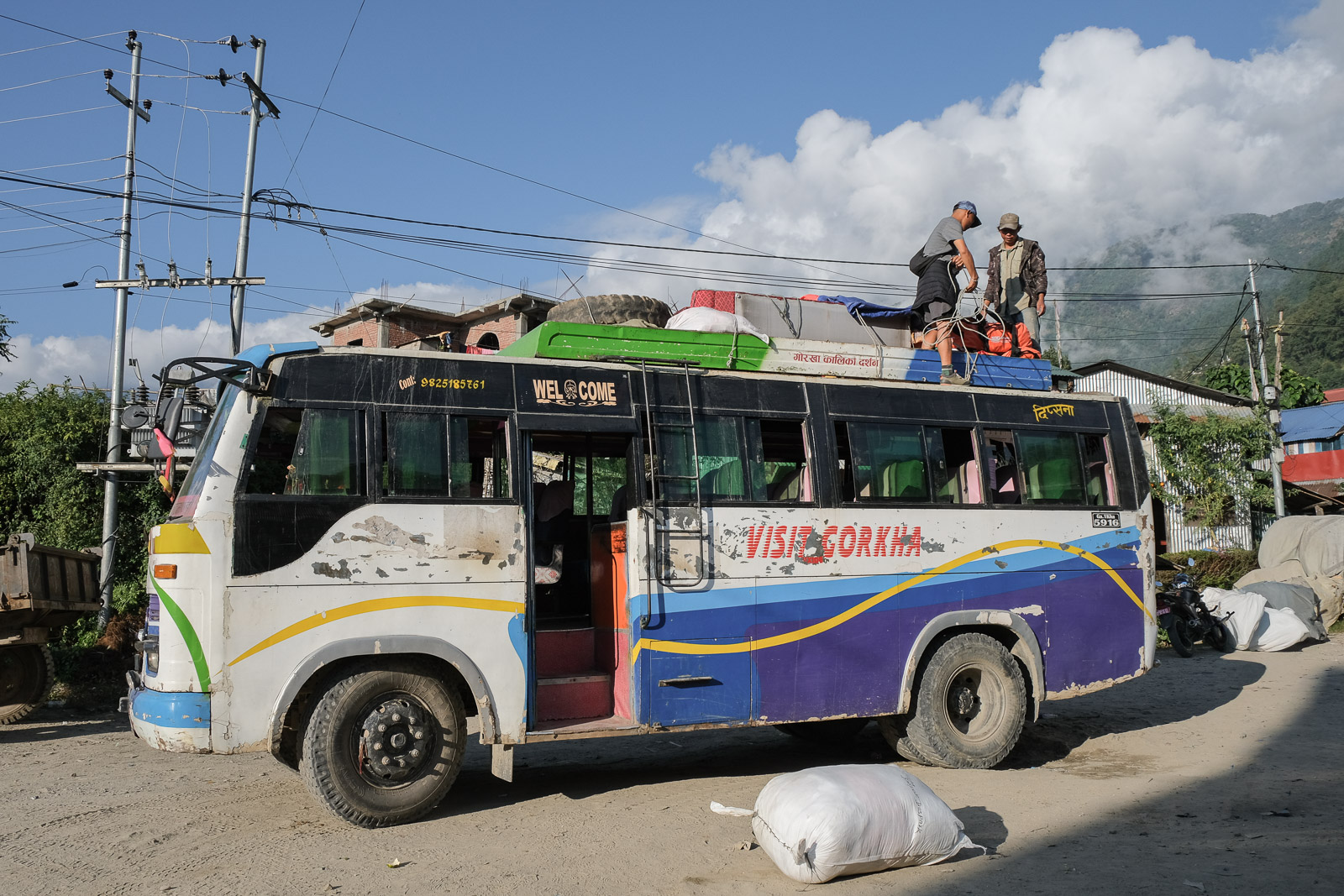
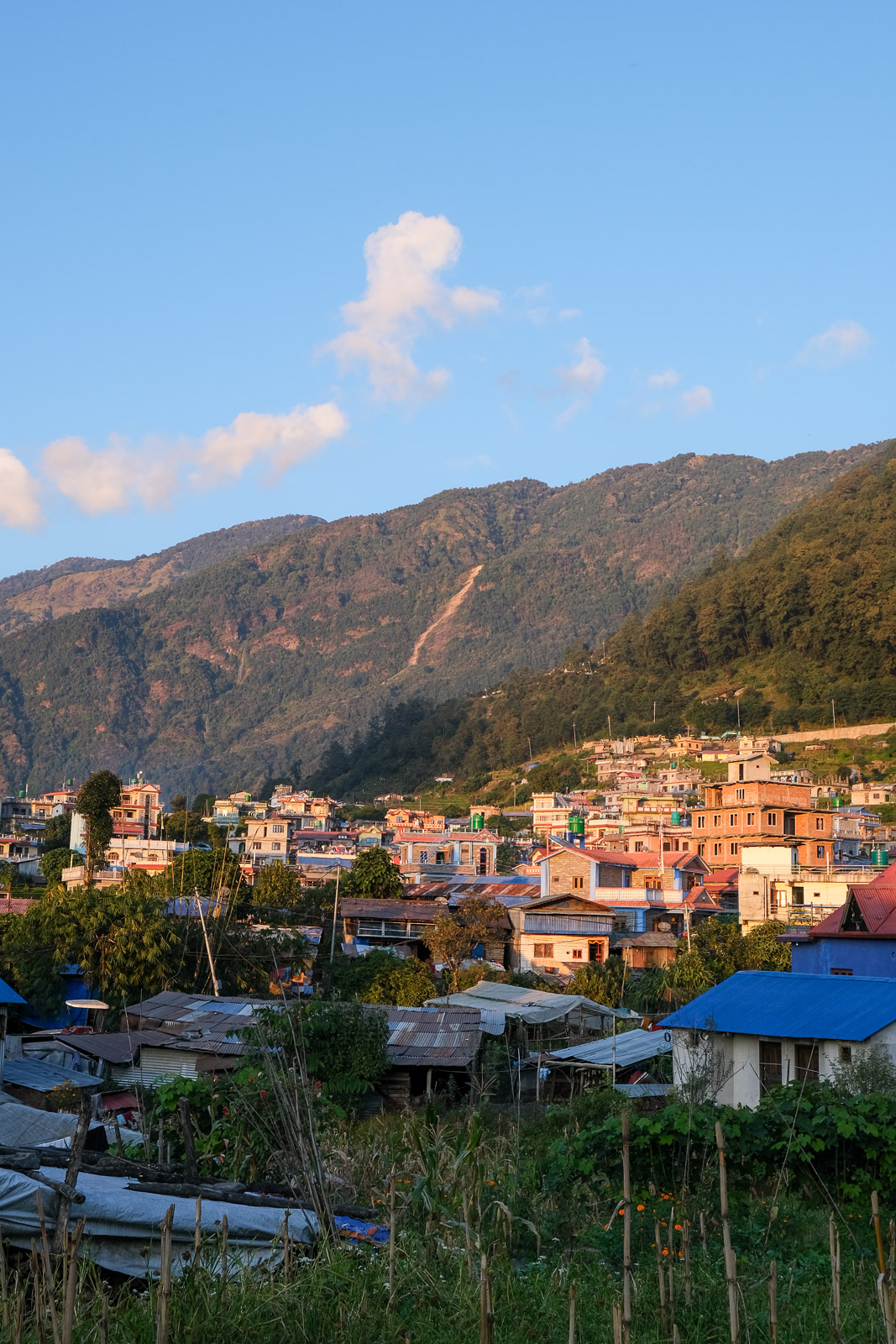
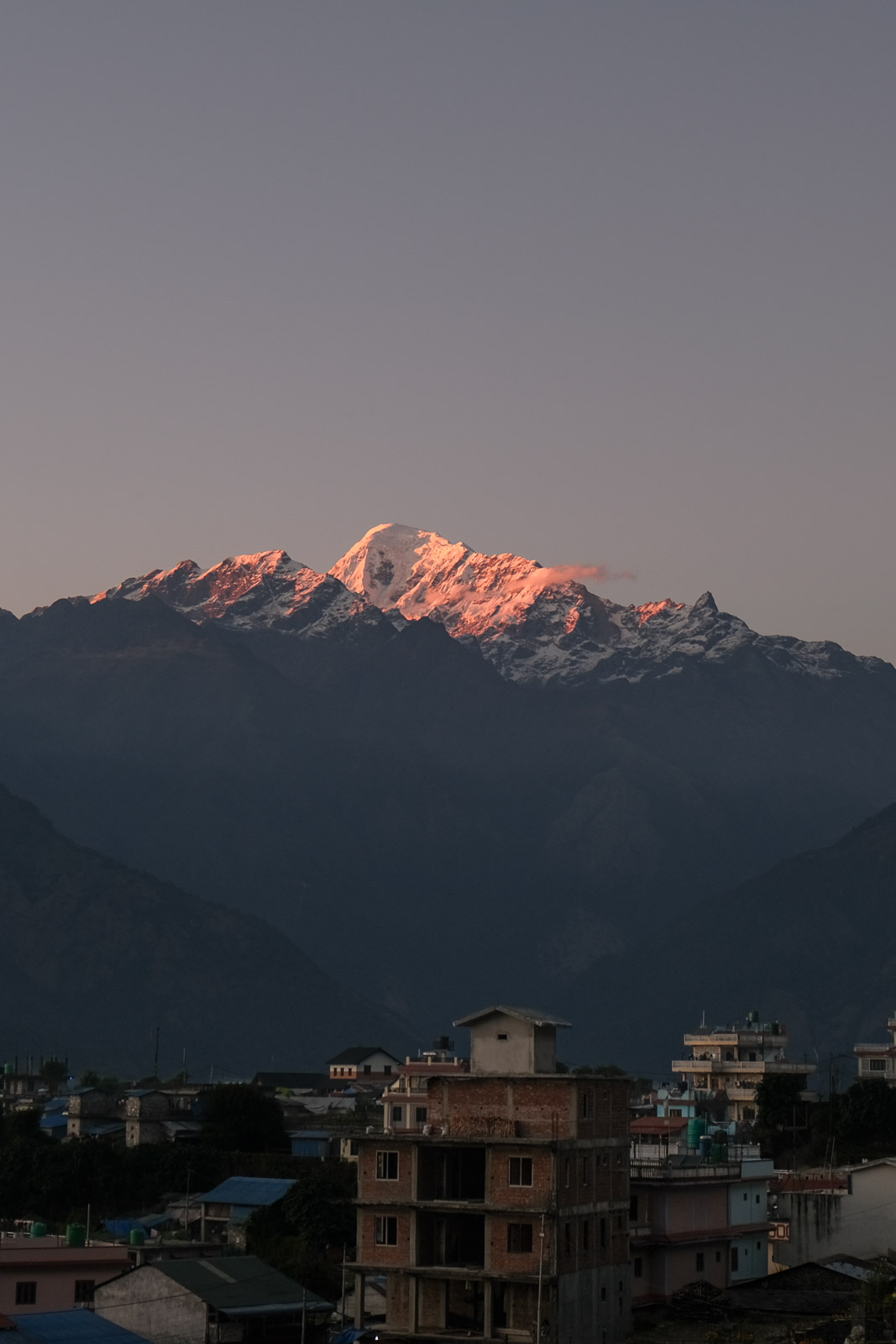
Day 1: Barpak (1,890 m) to Lamprak Kharka (3,145 m)
Distance: 11.7 km
Elevation gain: 1,480 m
Elevation loss: 230 m
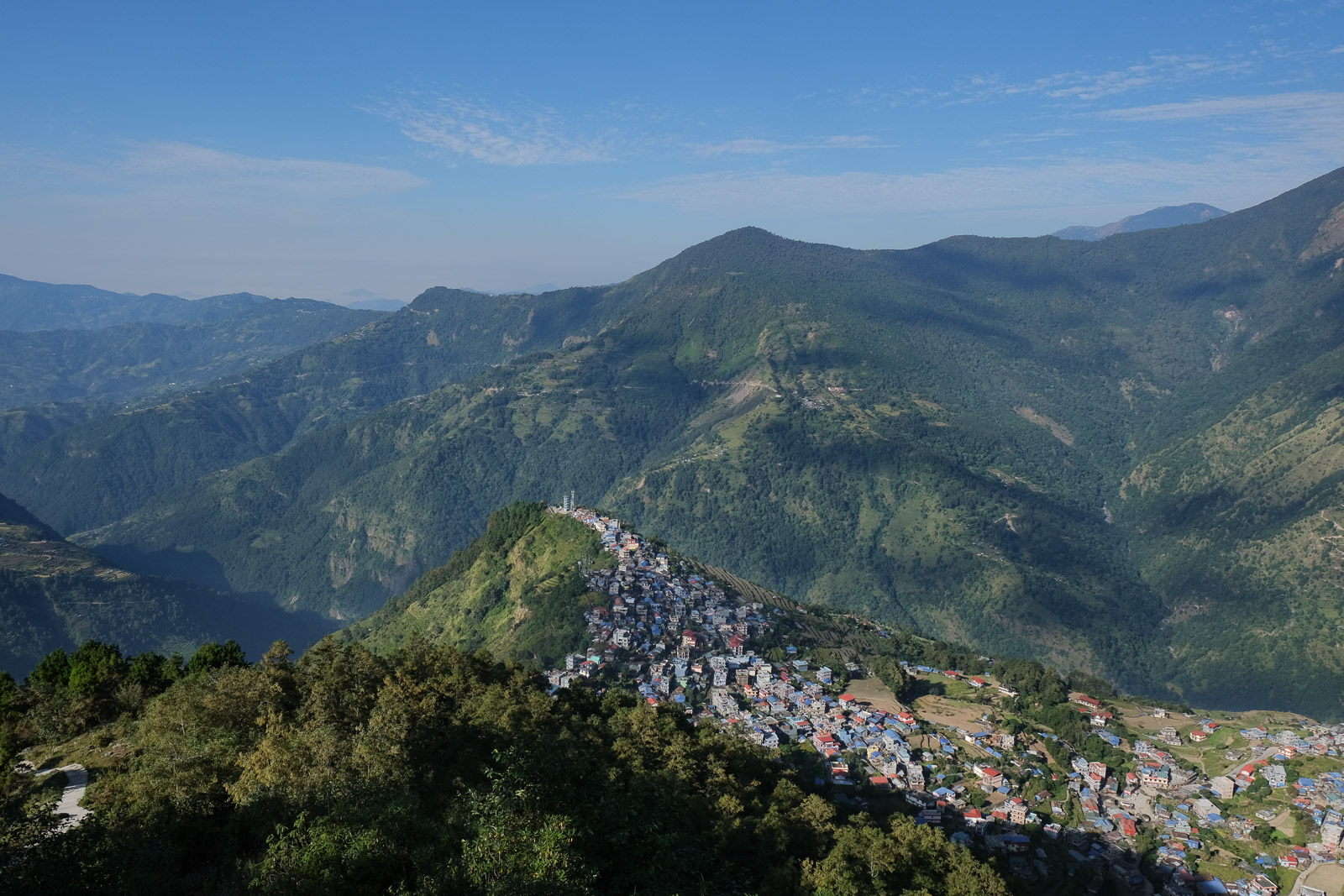
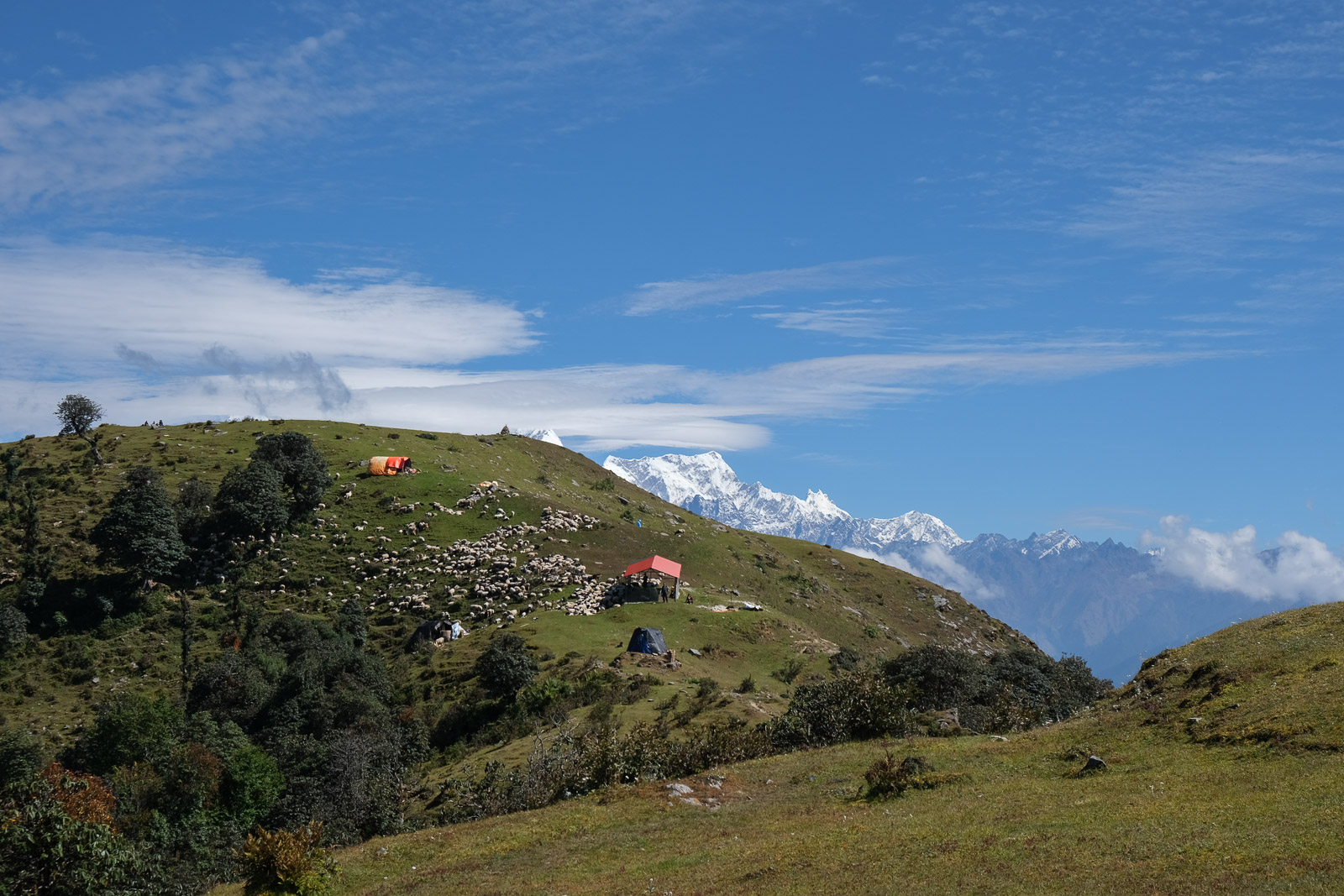
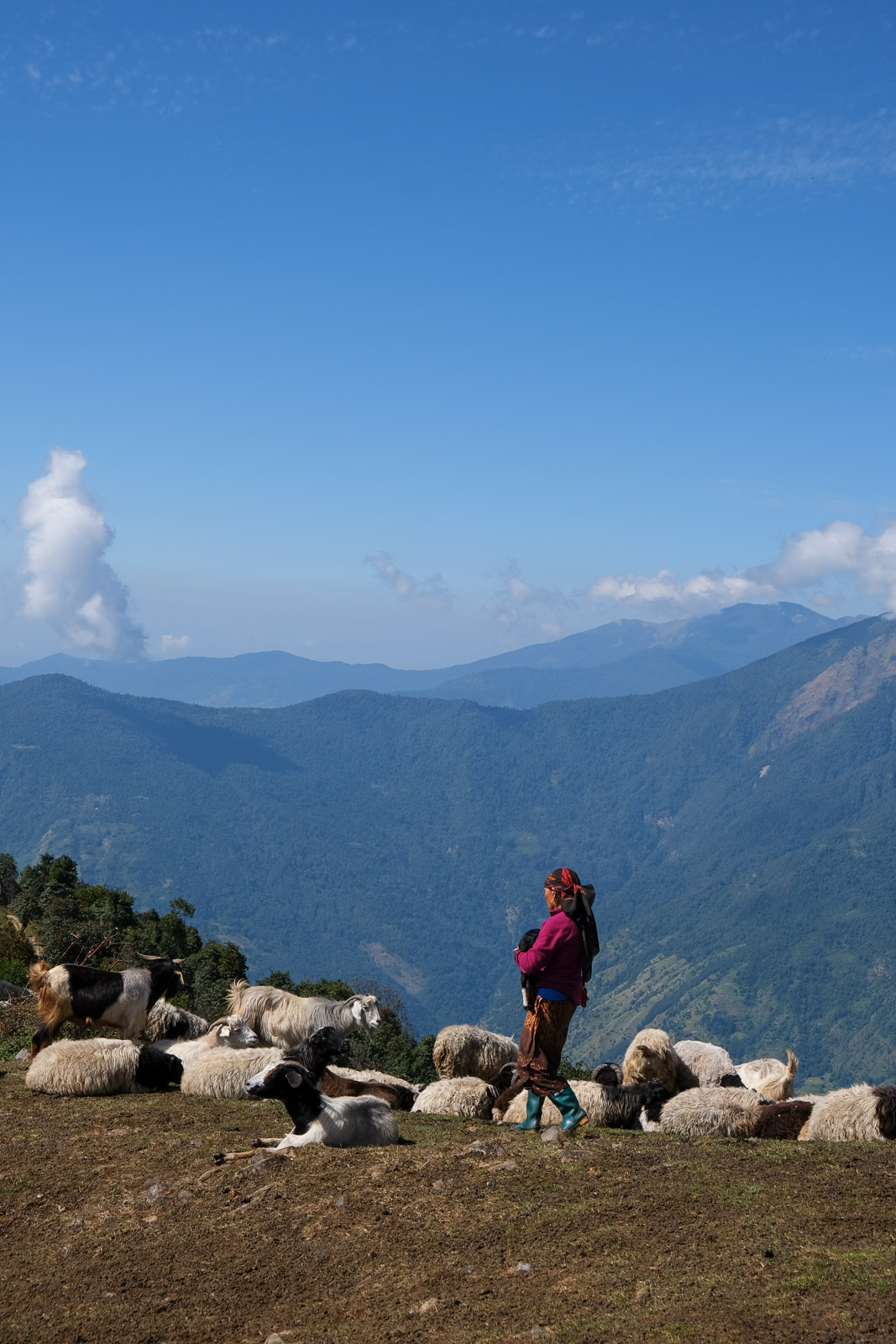
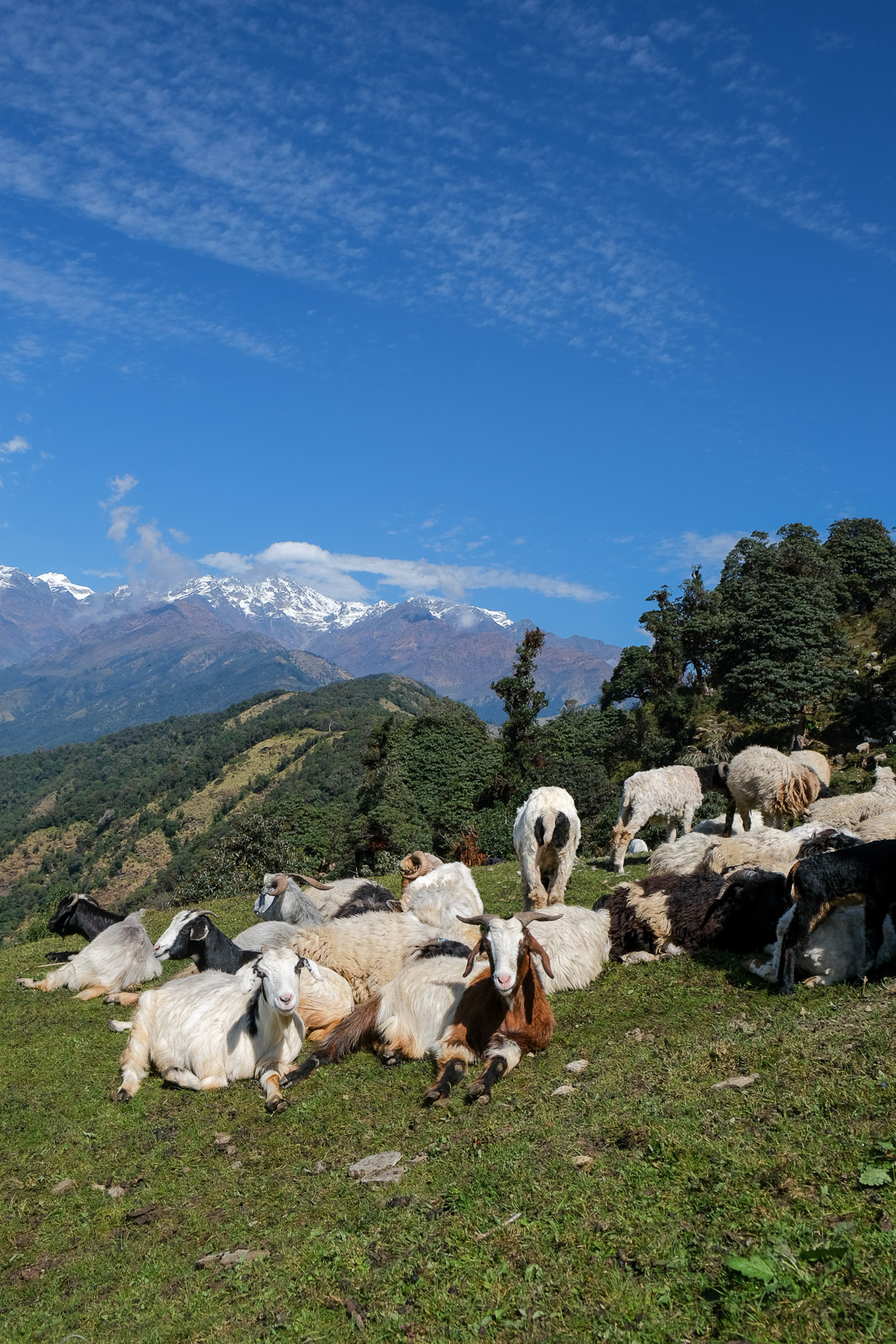
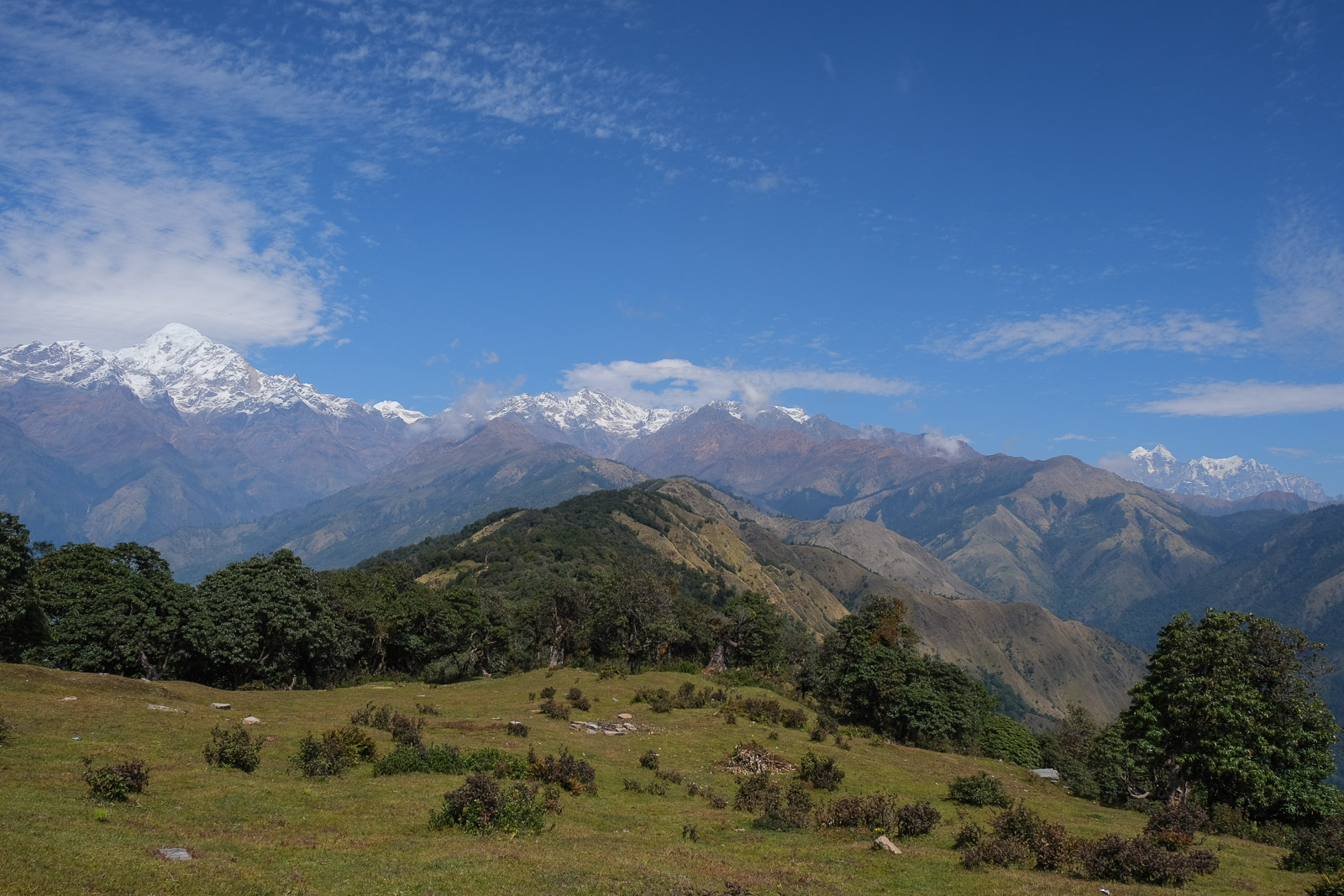
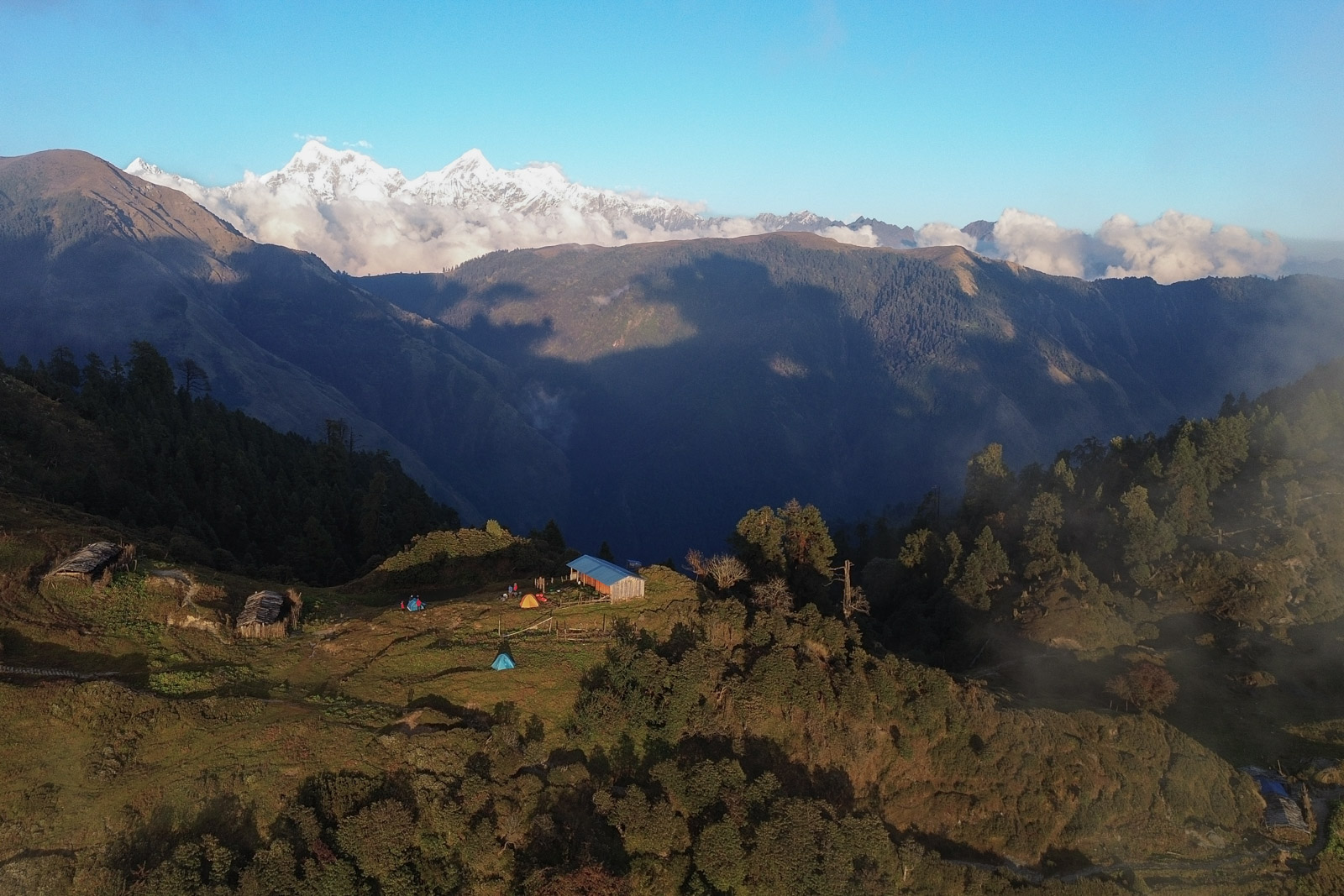
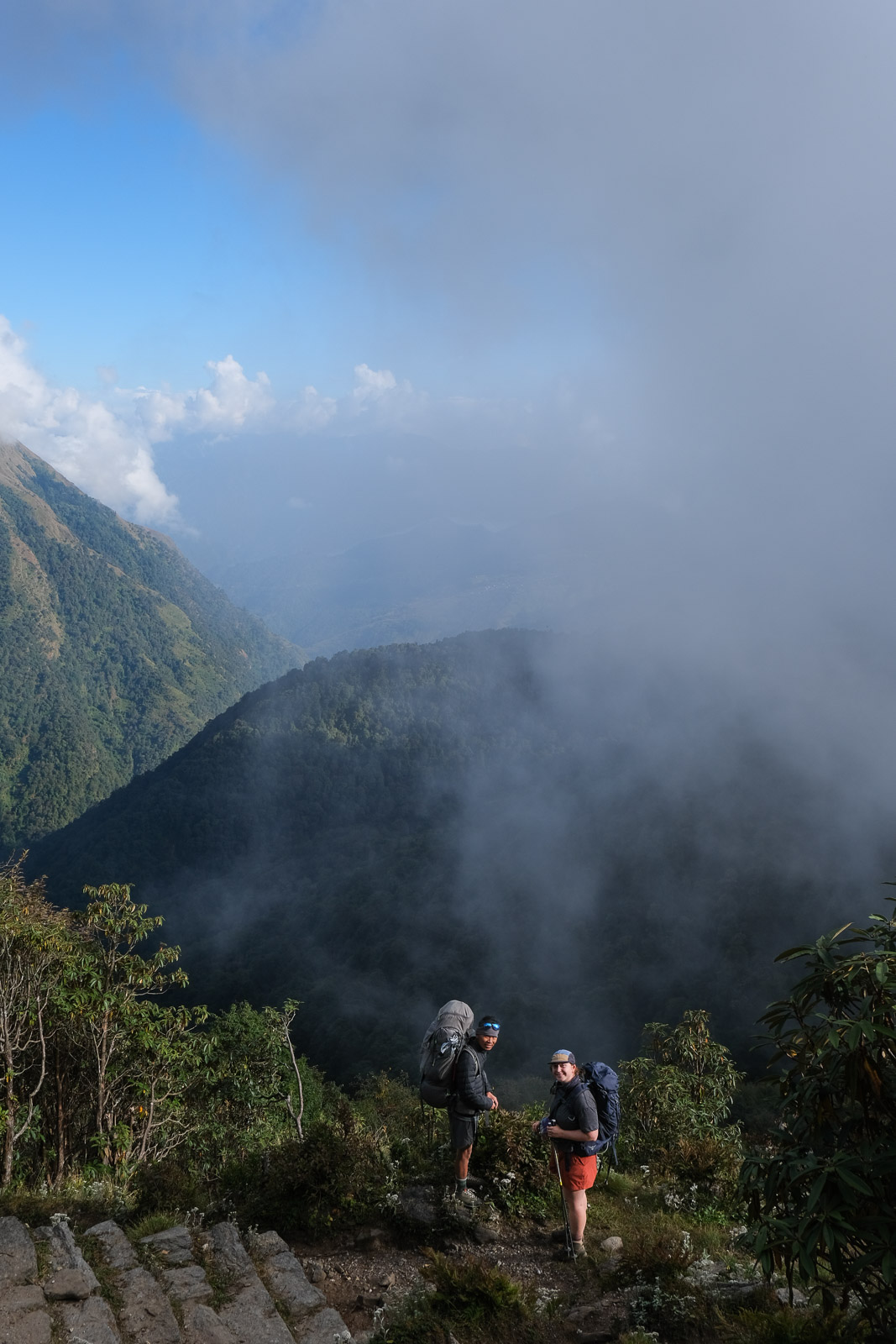
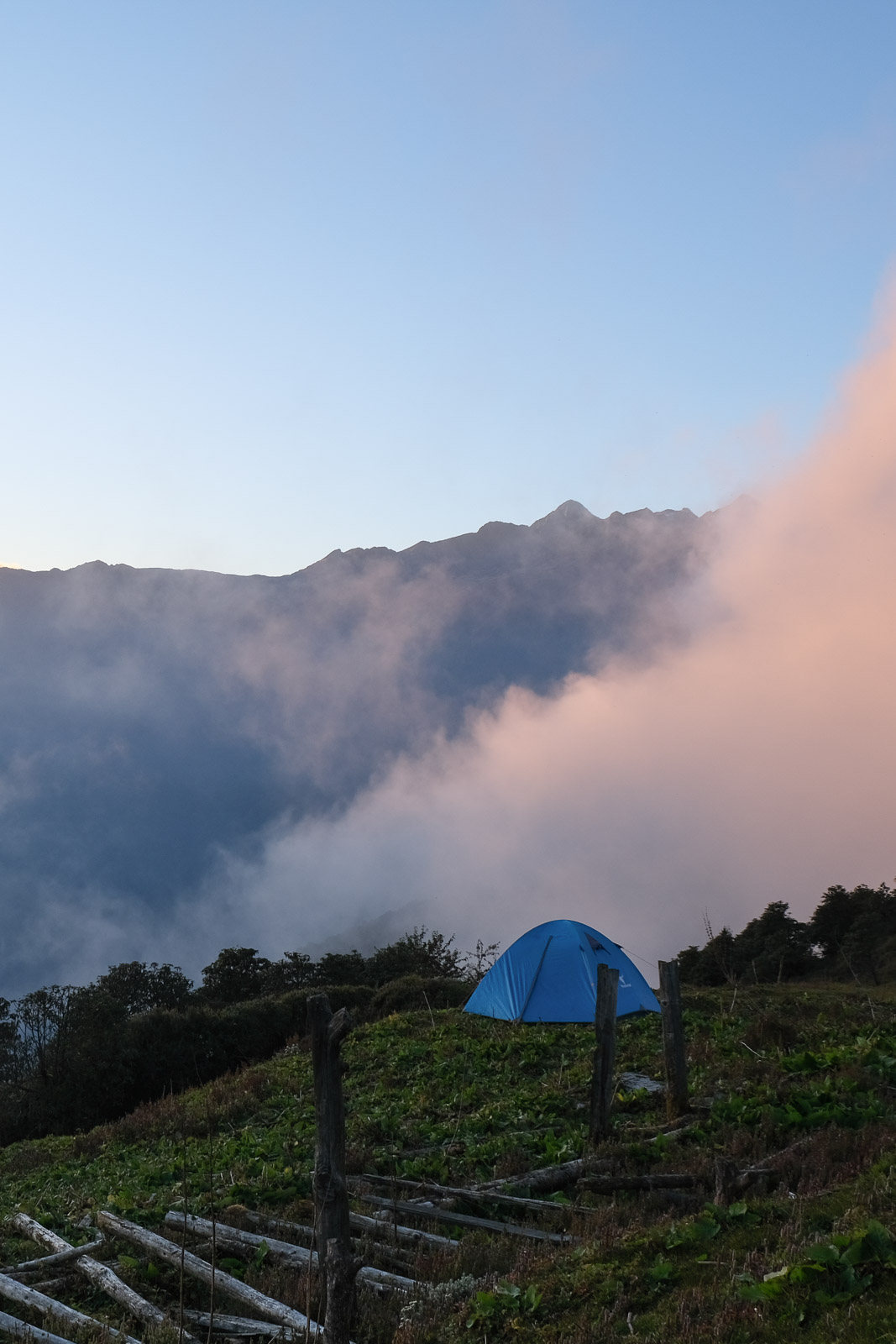
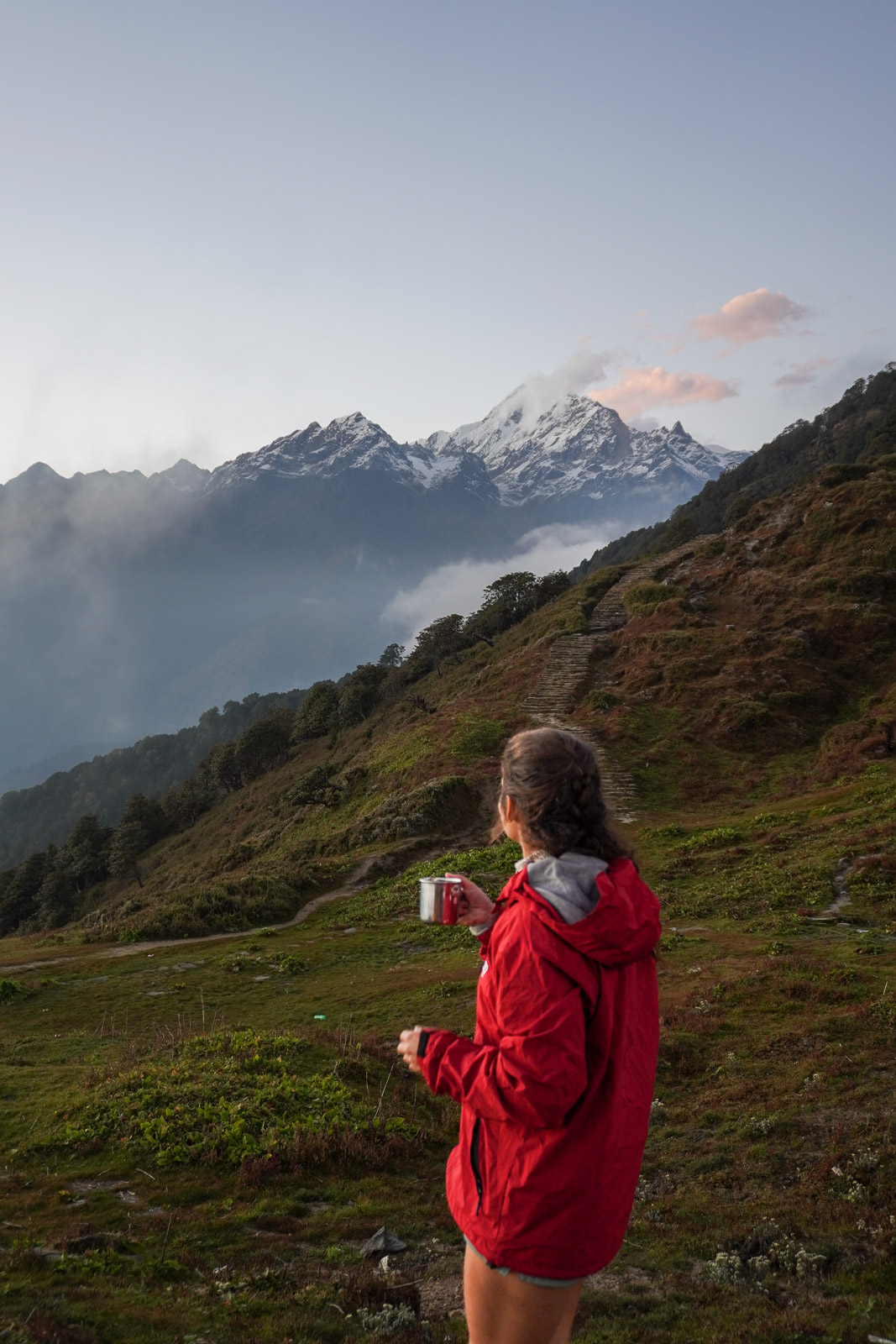
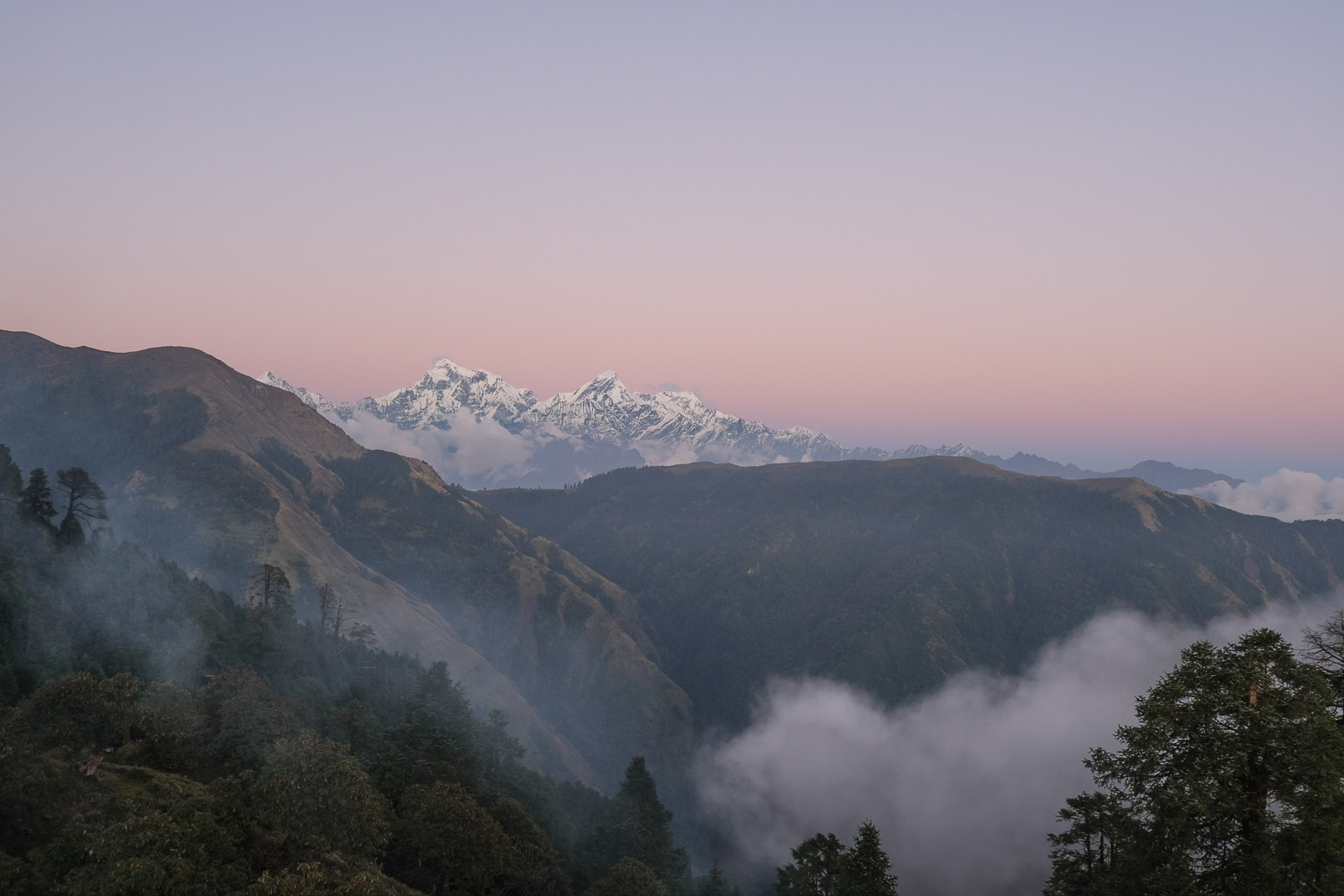
Day 2: Lamprak Kharka (3,145 m) to Mirja Kharka (Rupina South Woodcamp) (3,345 m)
Distance: 11.3 km
Elevation gain: 725 m
Elevation loss: 515 m
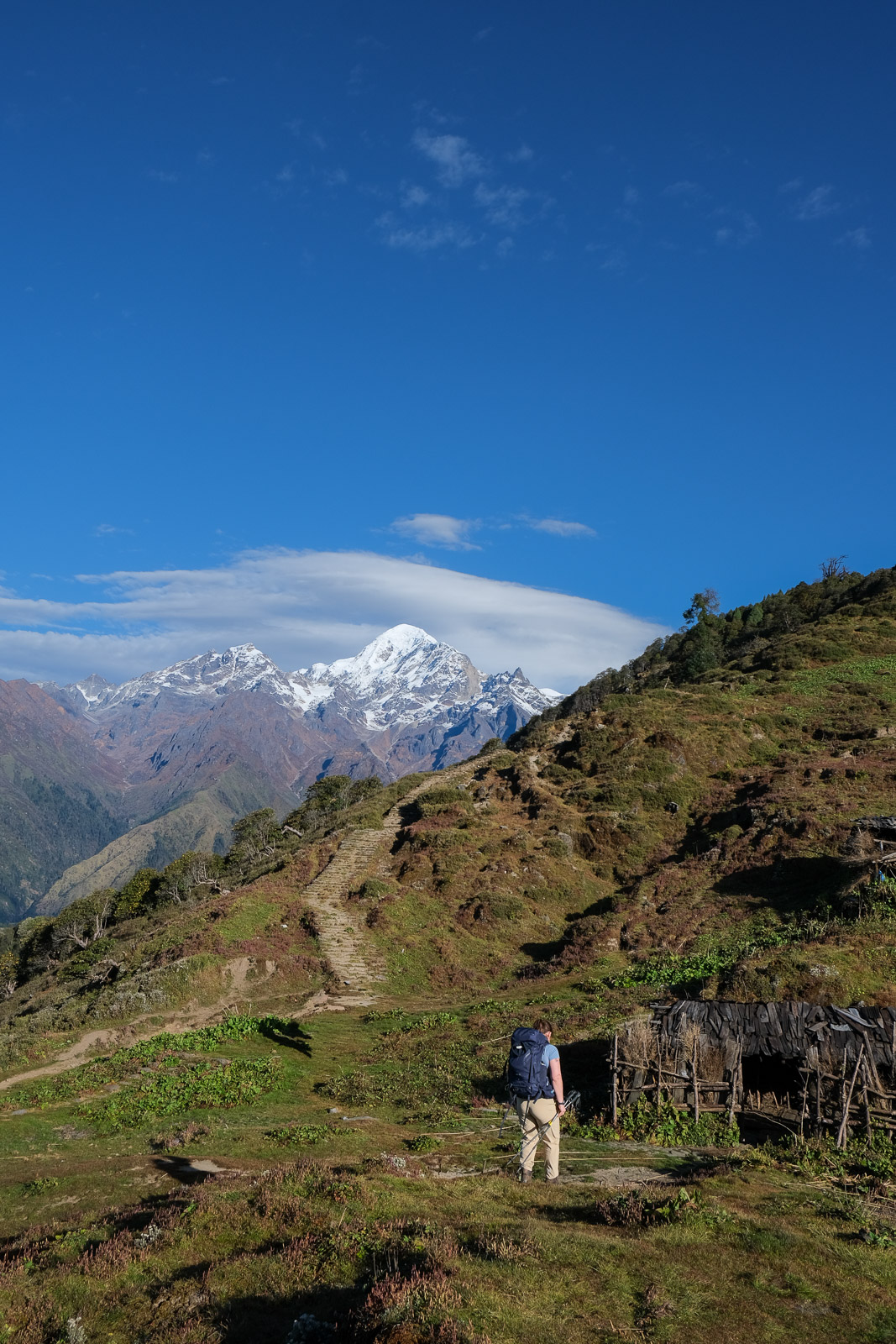
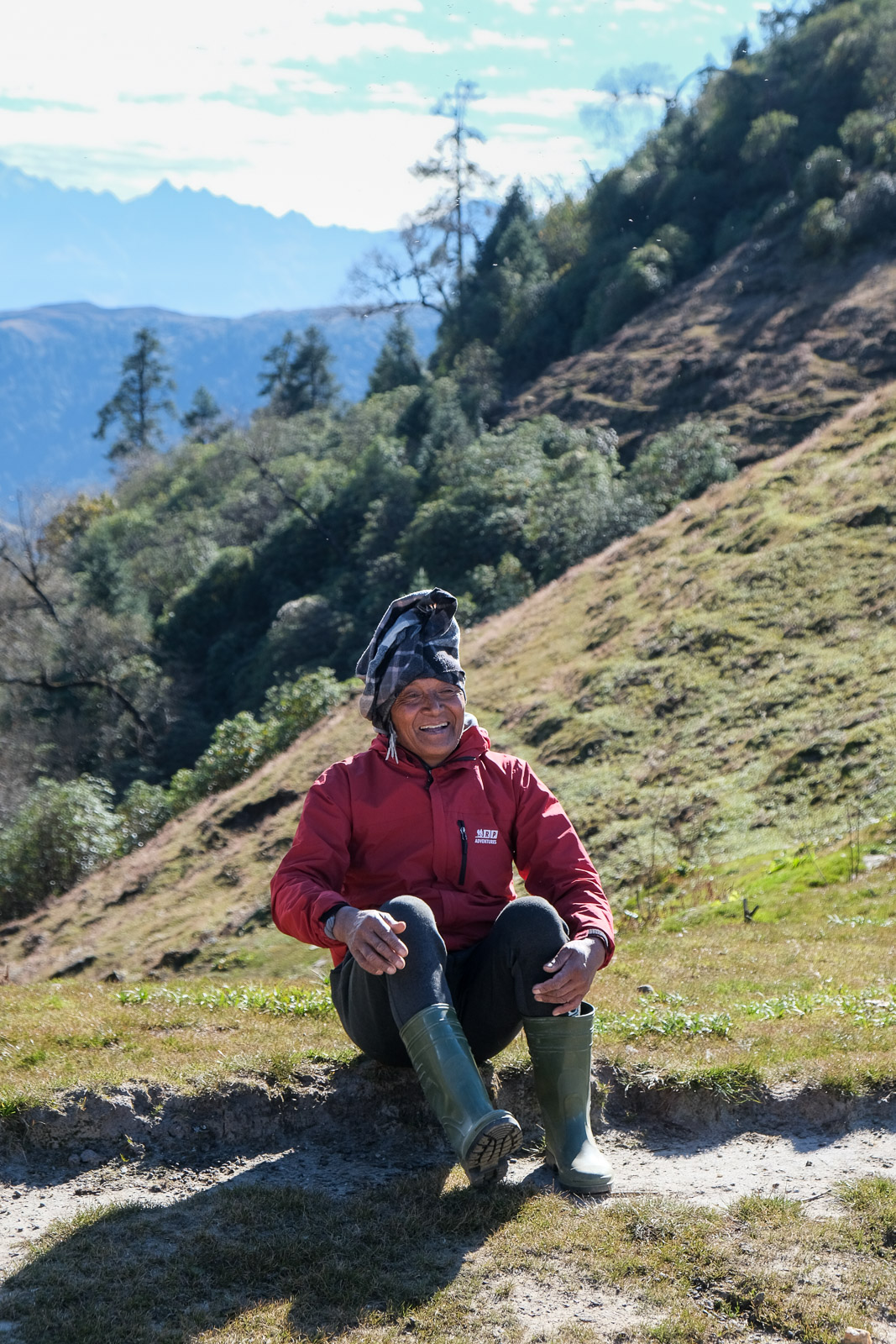
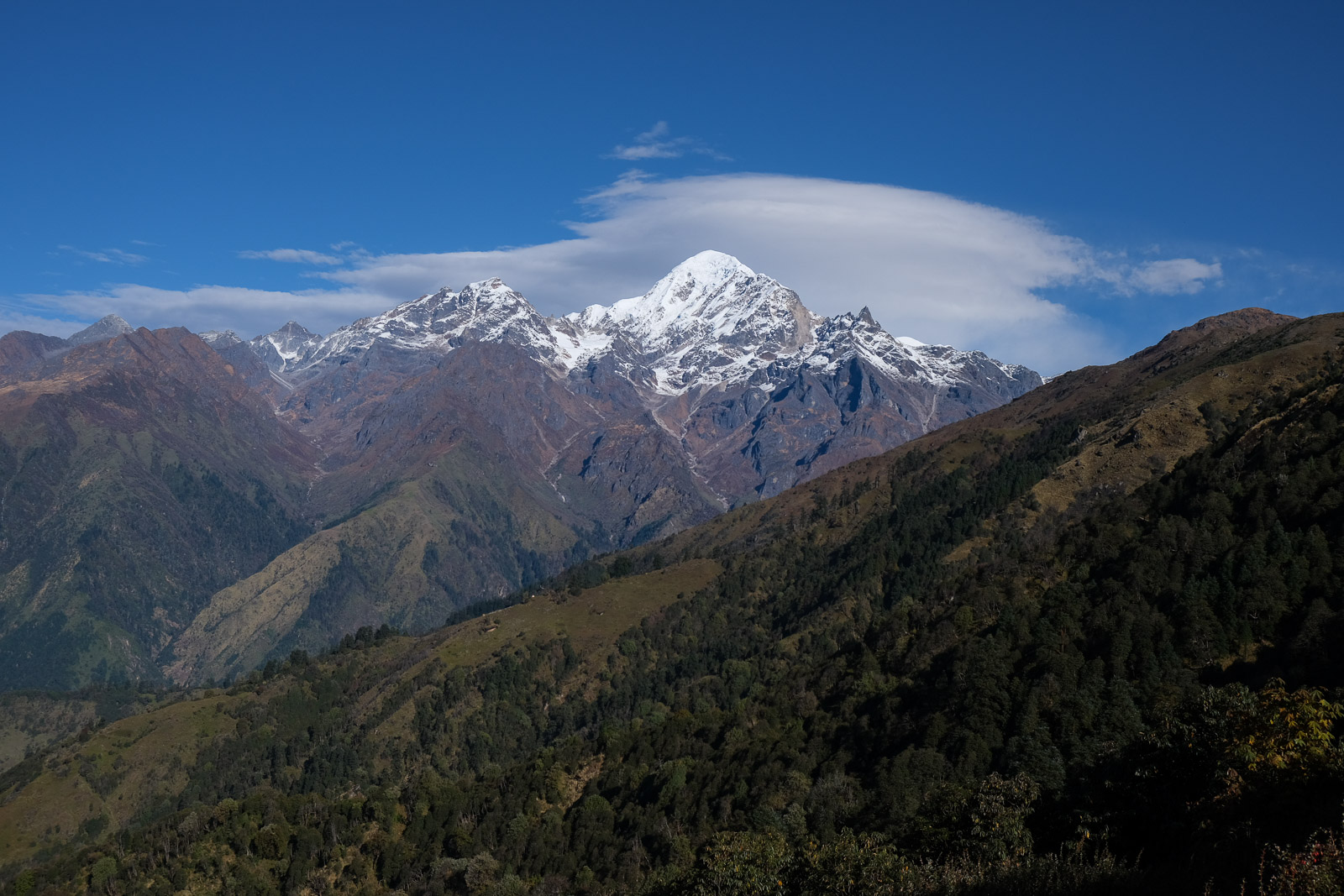
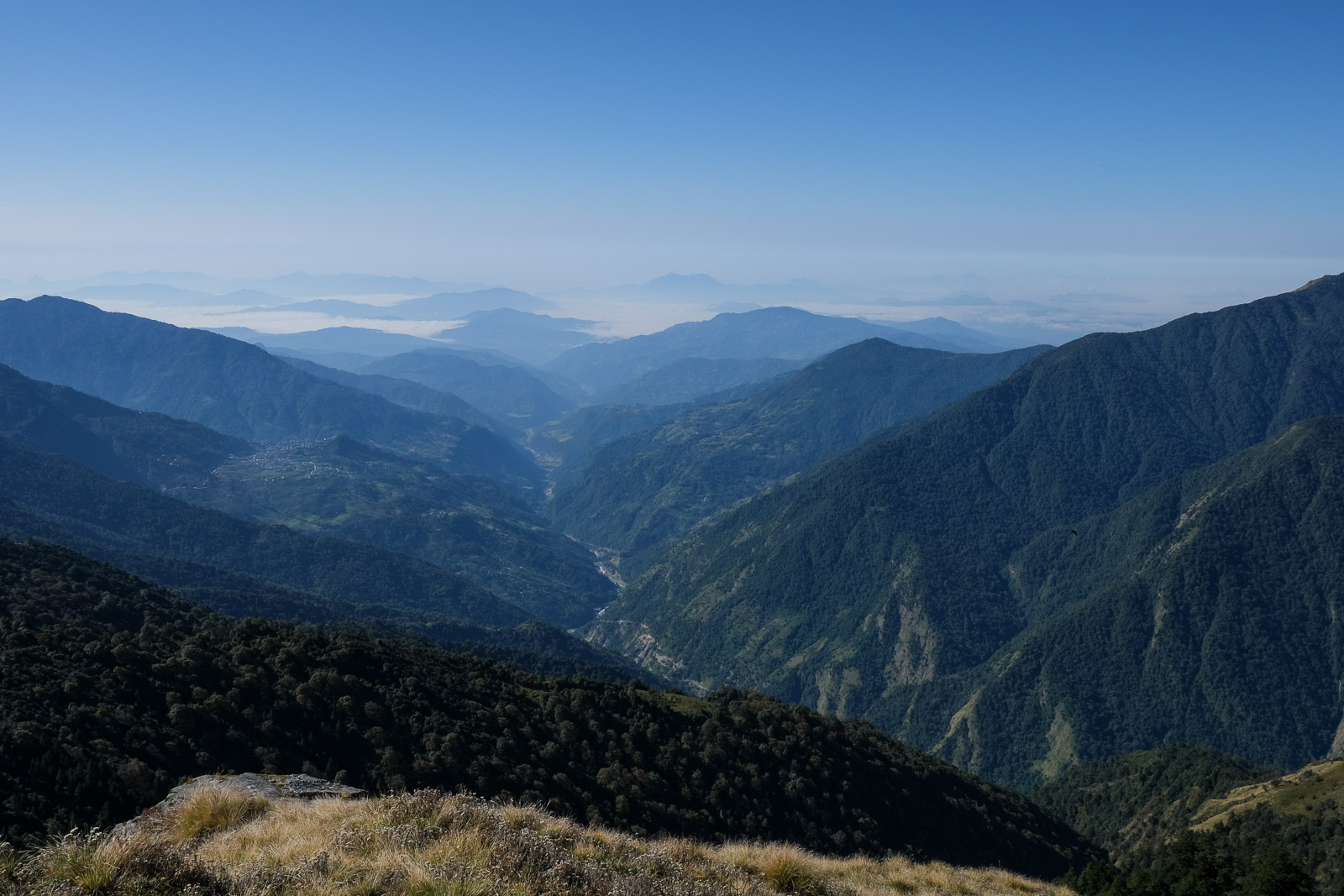
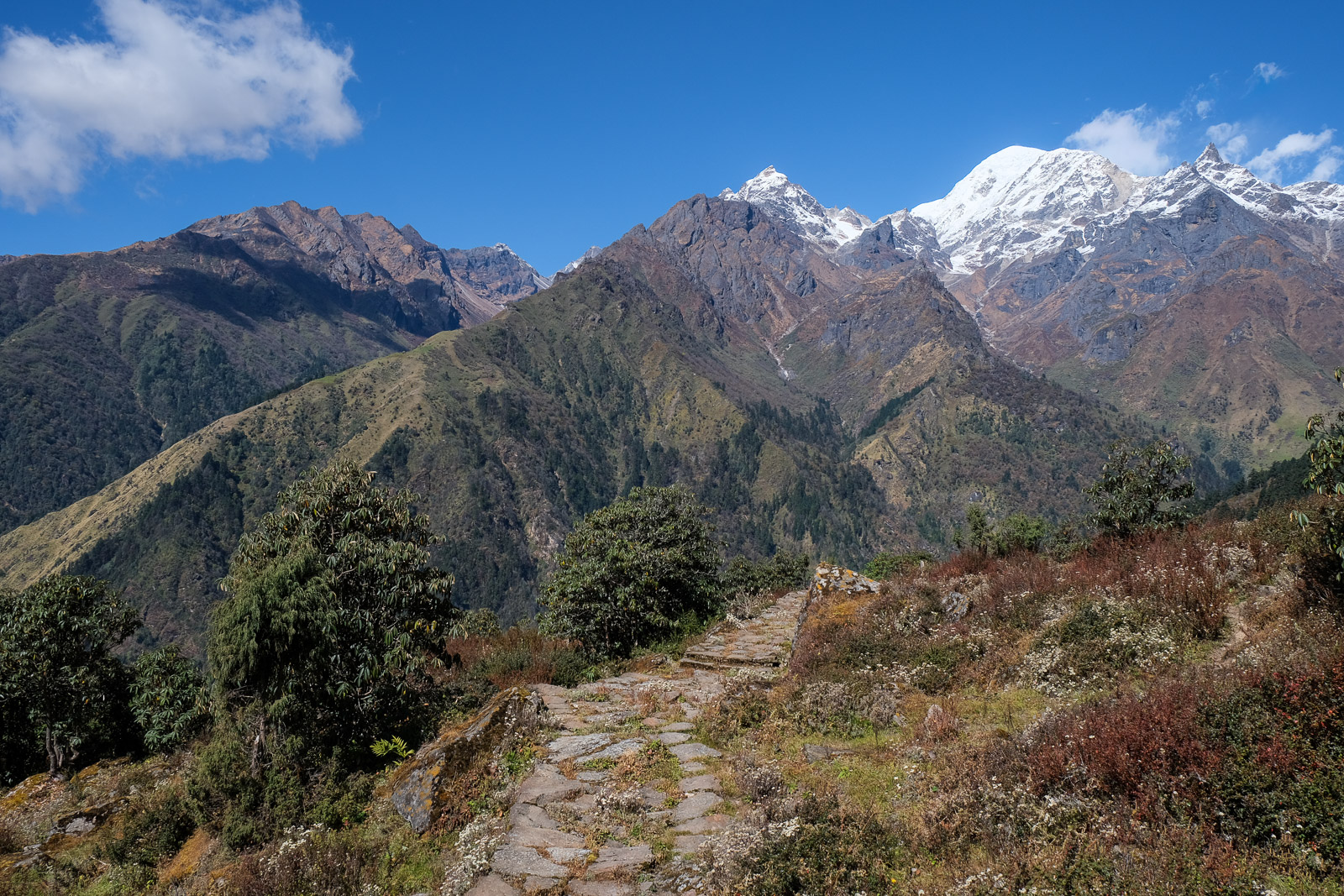
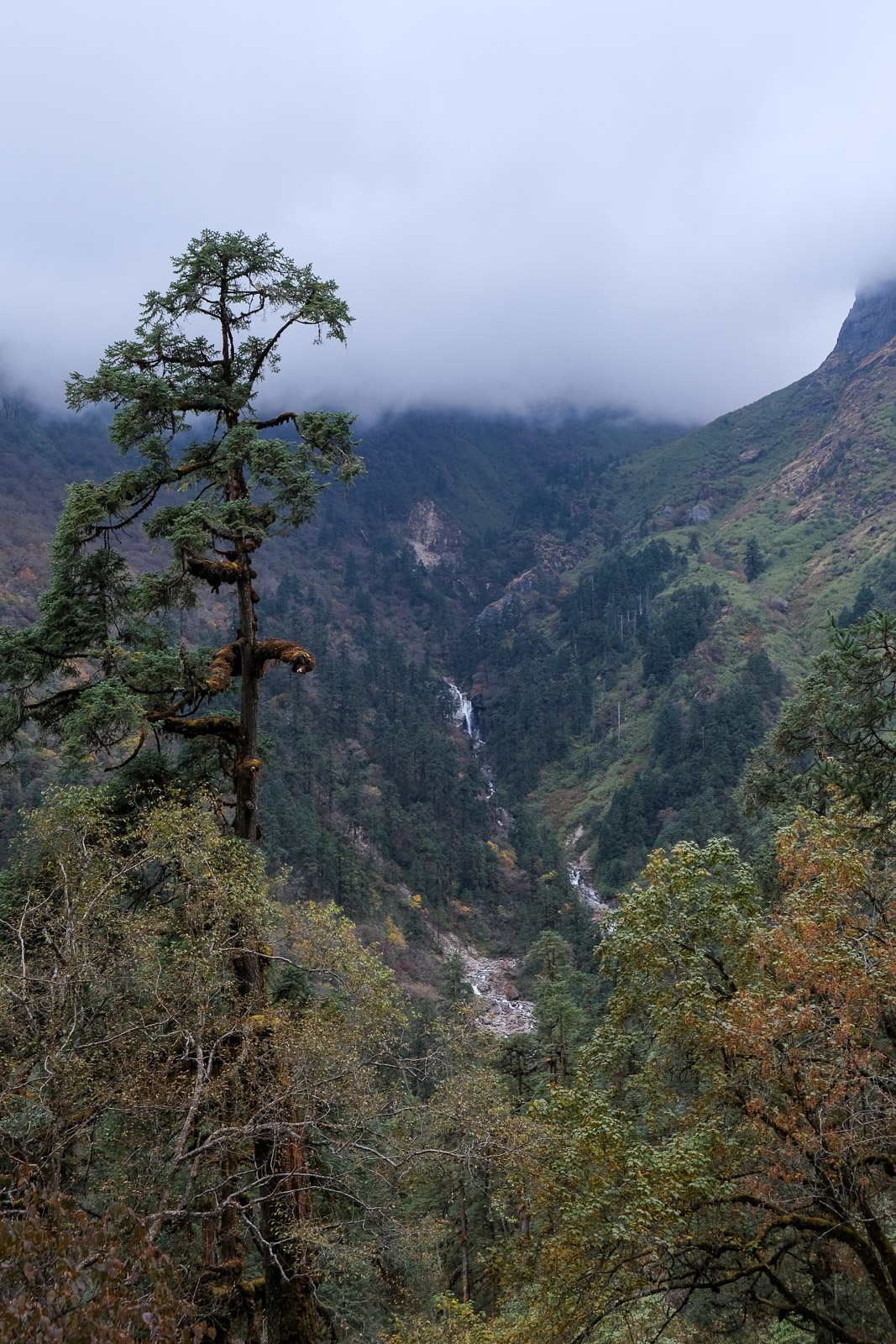
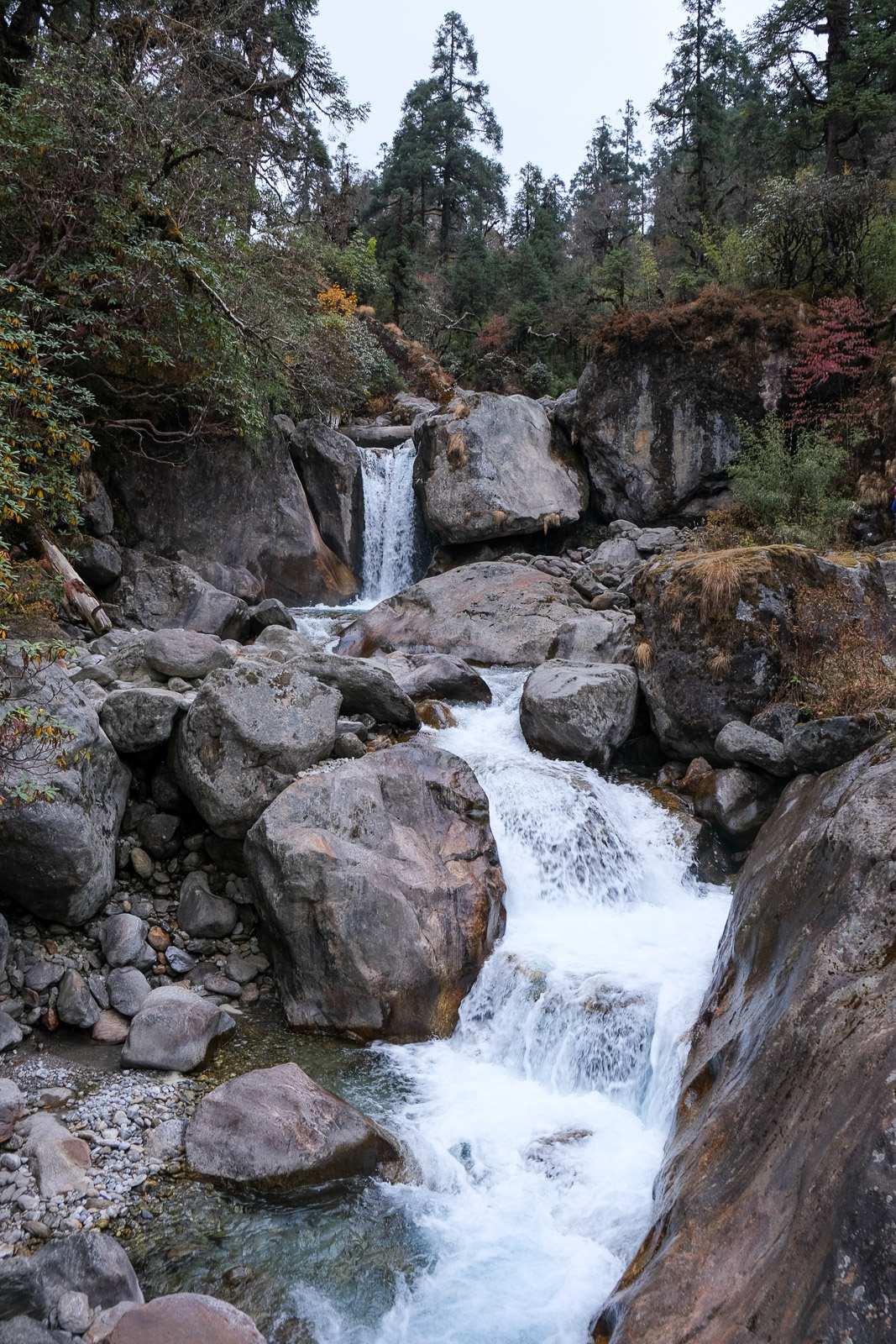
Day 3: Mirja Kharka (3,345 m) to Rupina South High Camp (4,325 m)
Distance: 4.9 km
Elevation gain: 945 m
Elevation loss: 0 m
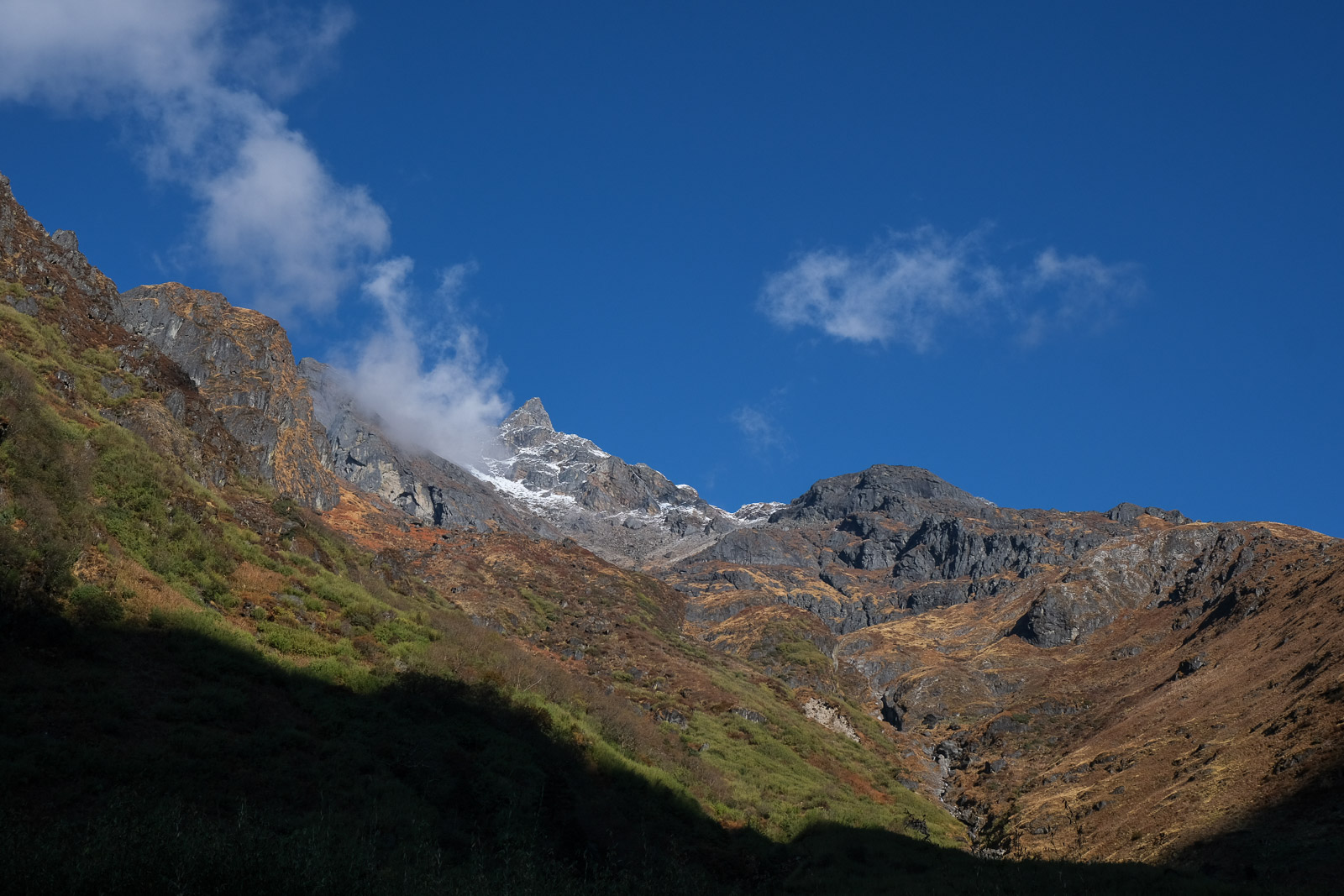
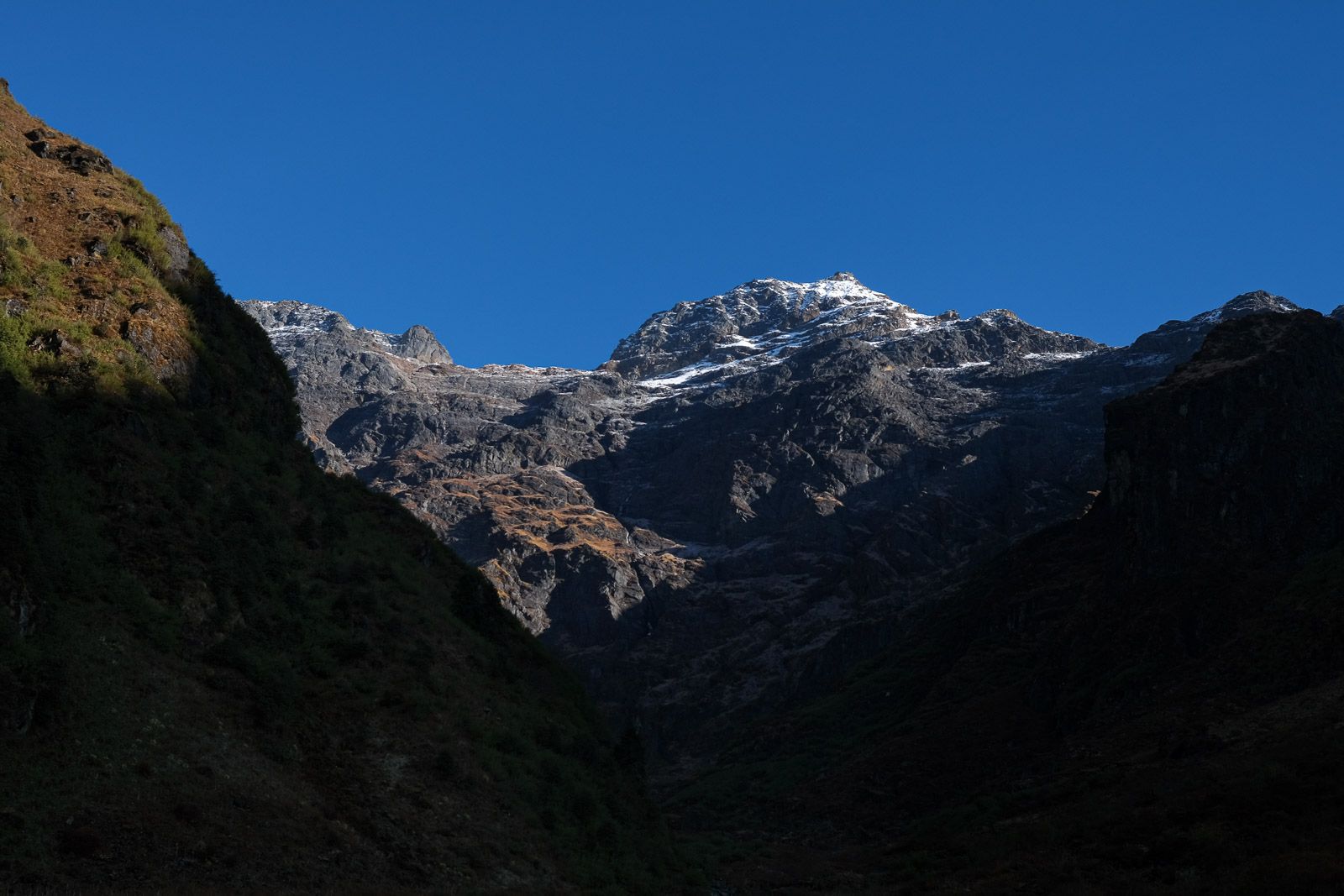
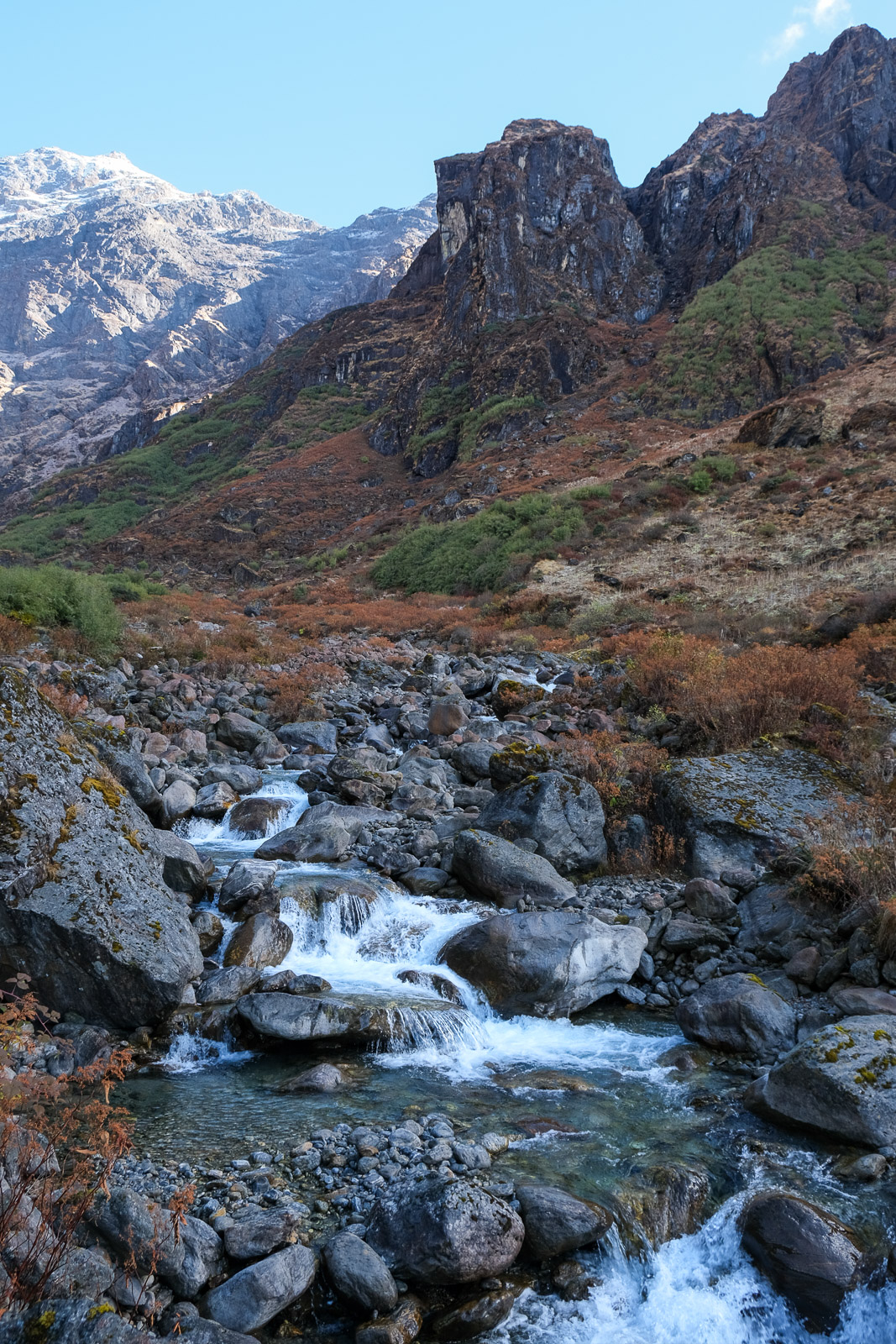
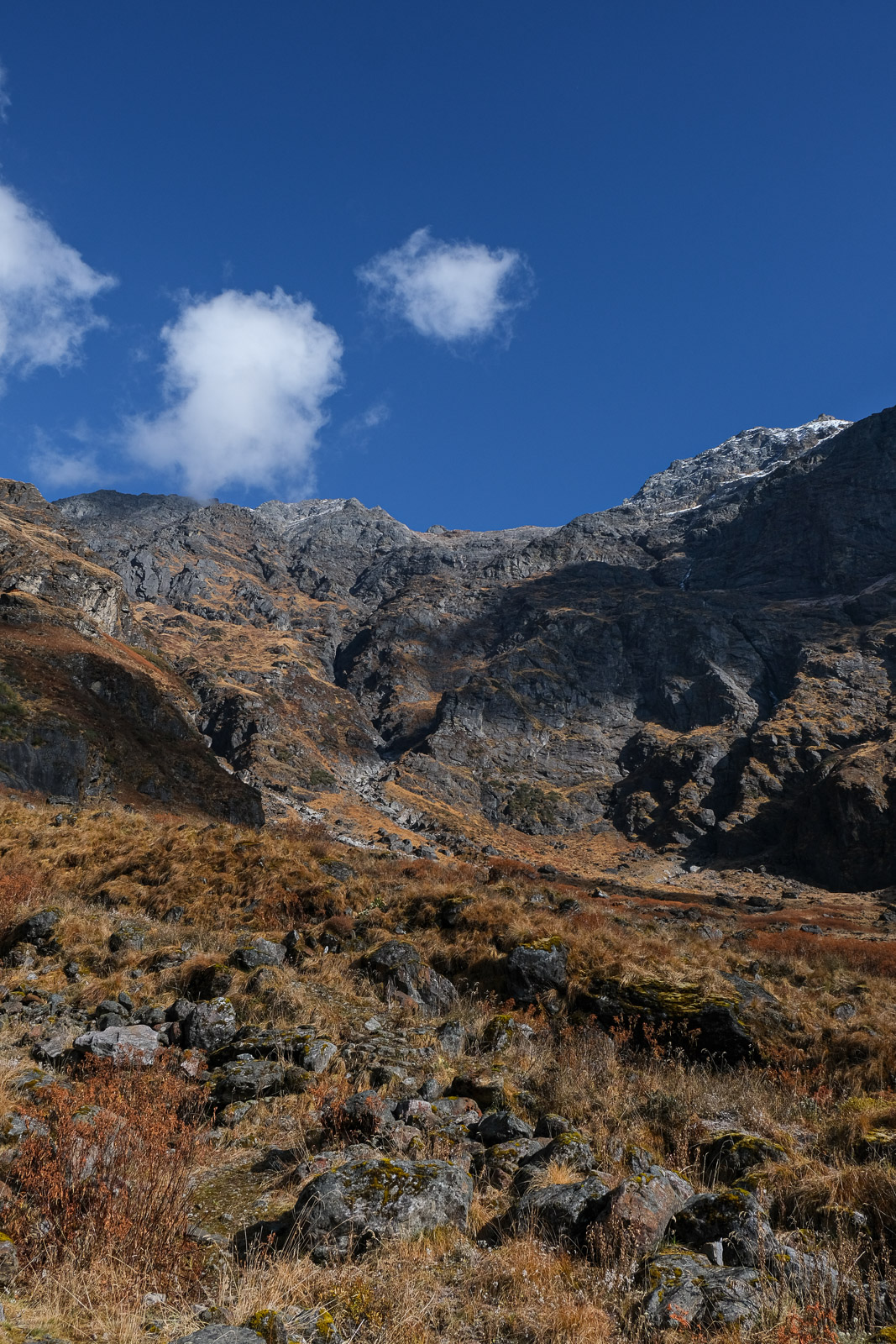
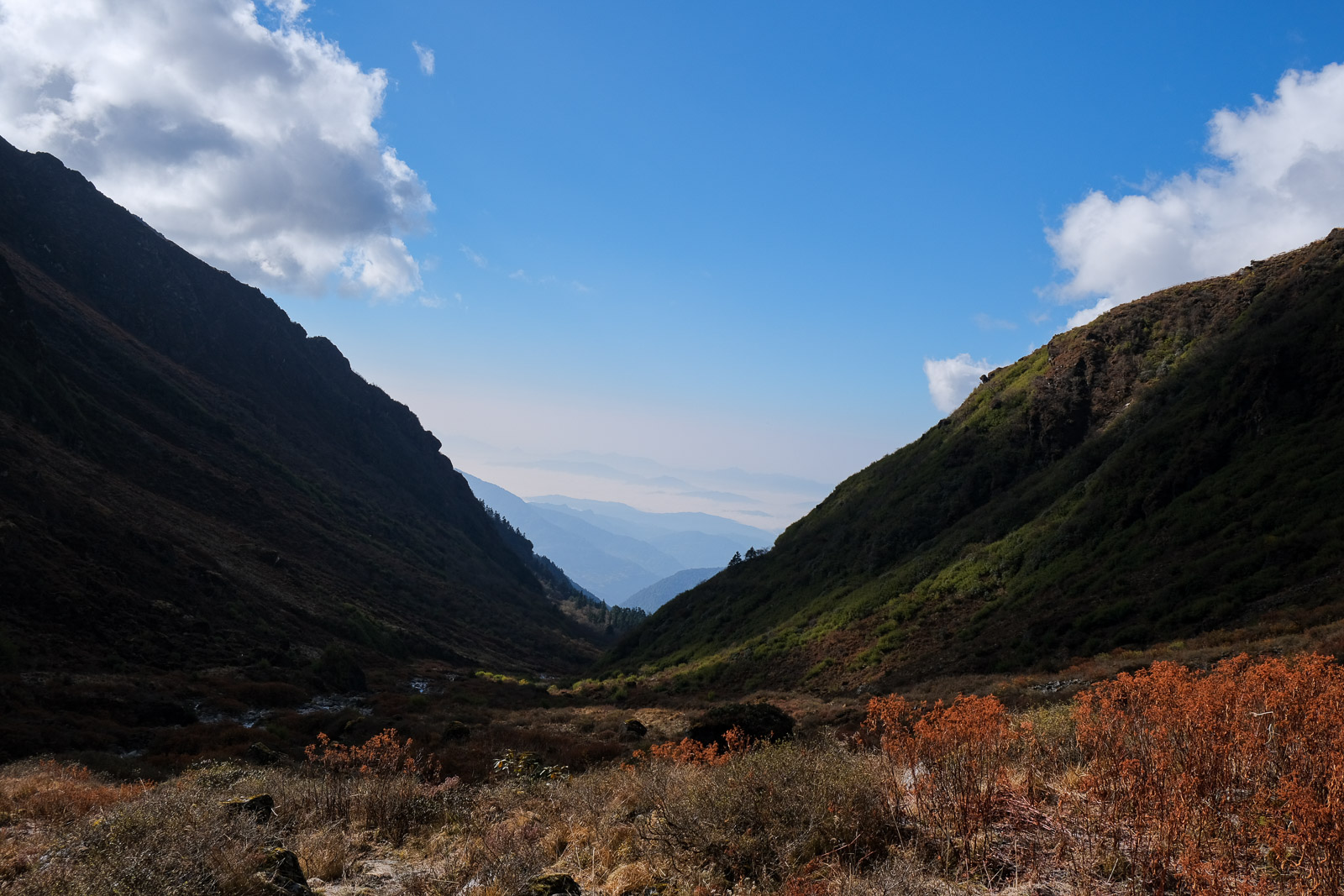
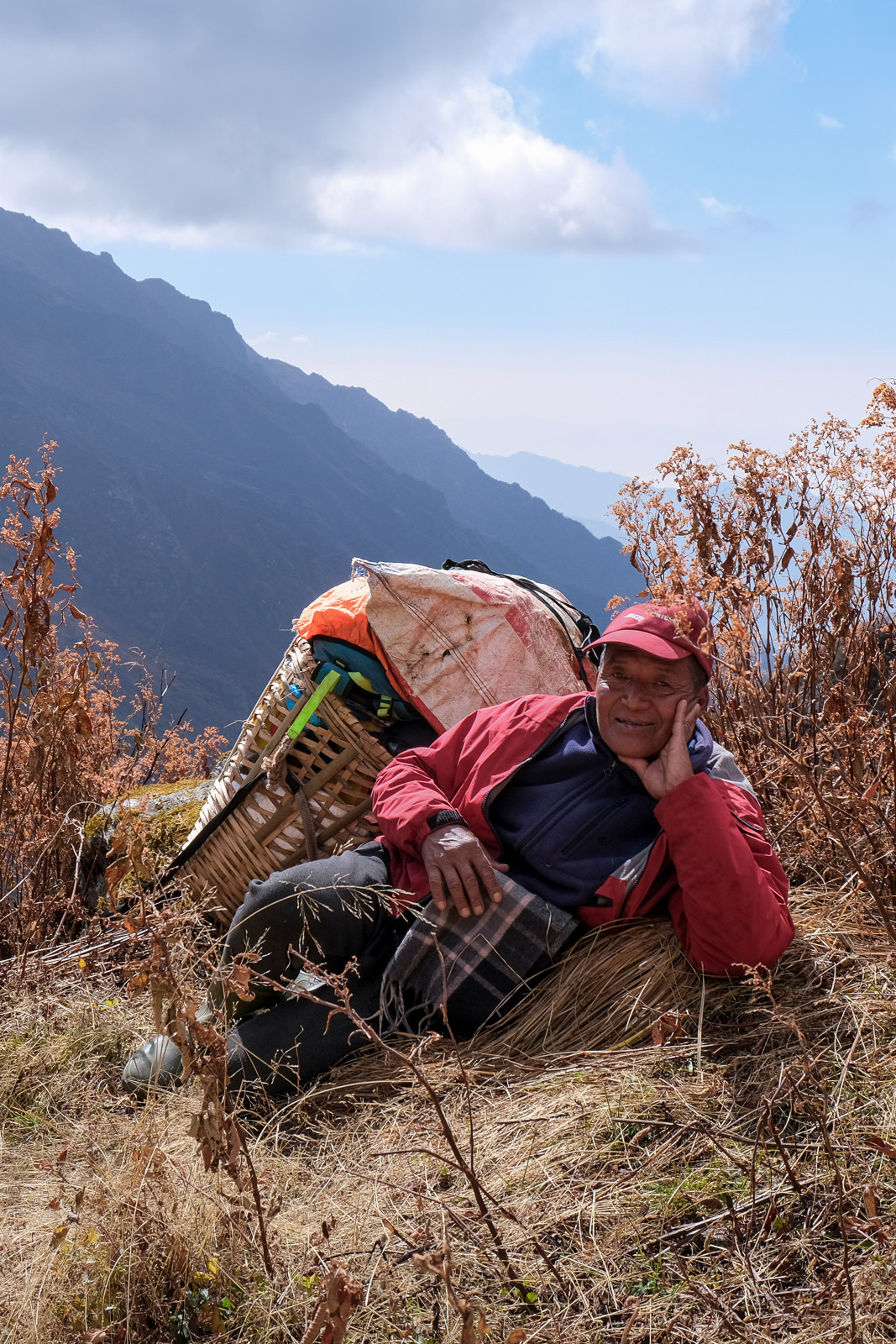
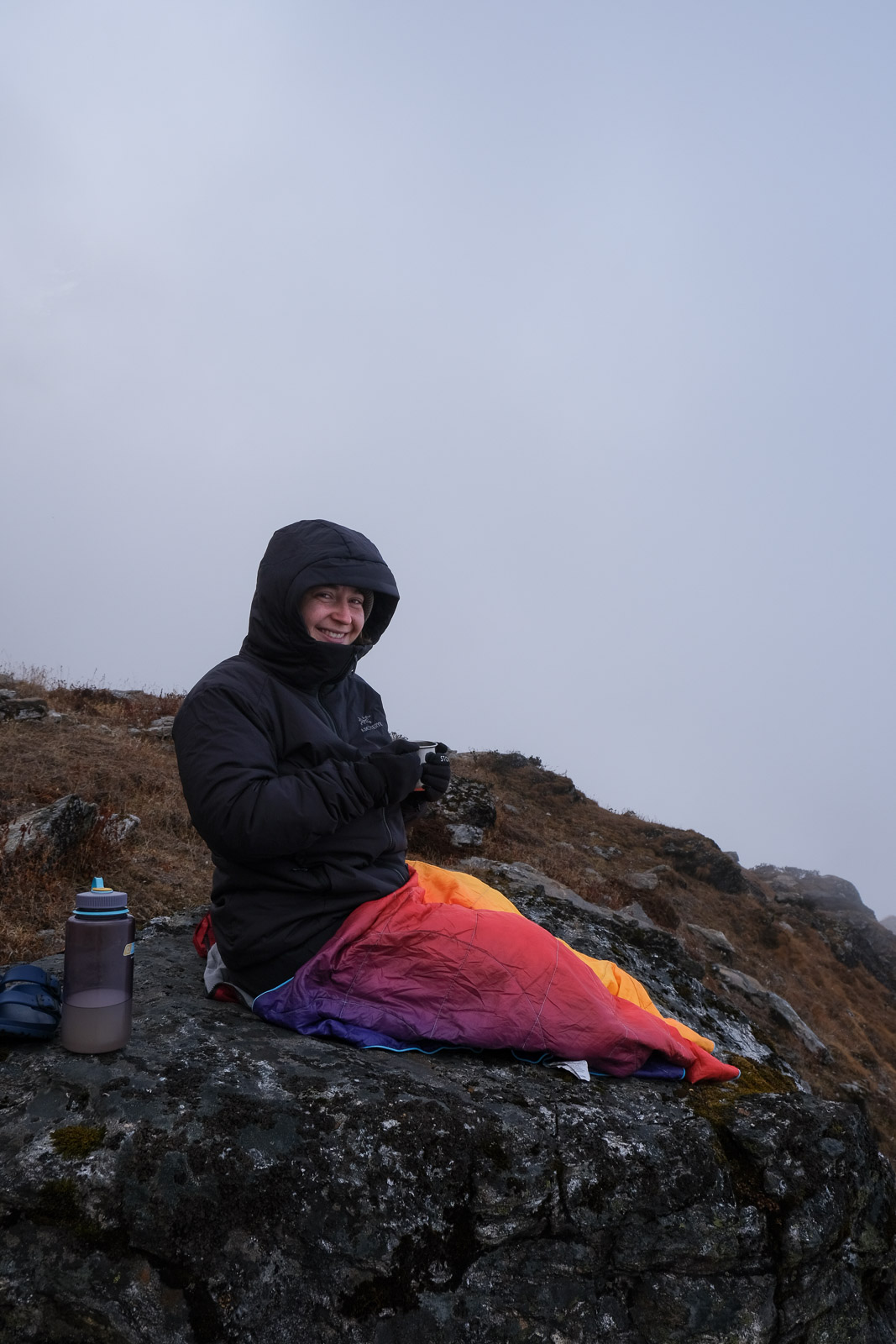
Day 4: Rupina South High Camp (4,325 m) to Tharpuk Kharka (3,875 m) via Rupina La Pass (4,720 m)
Distance: 6.8 km
Elevation gain: 400 m
Elevation loss: 810 m
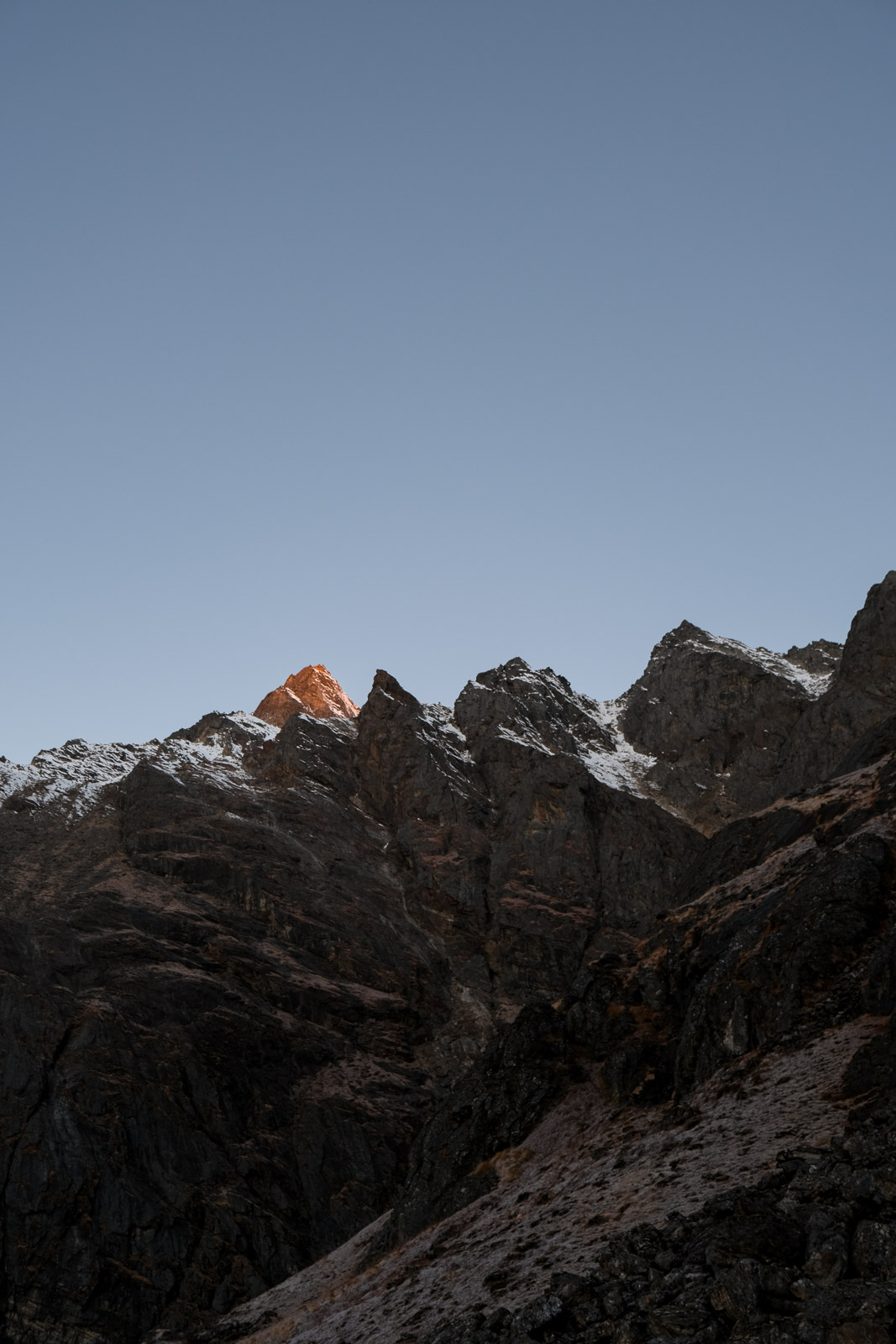
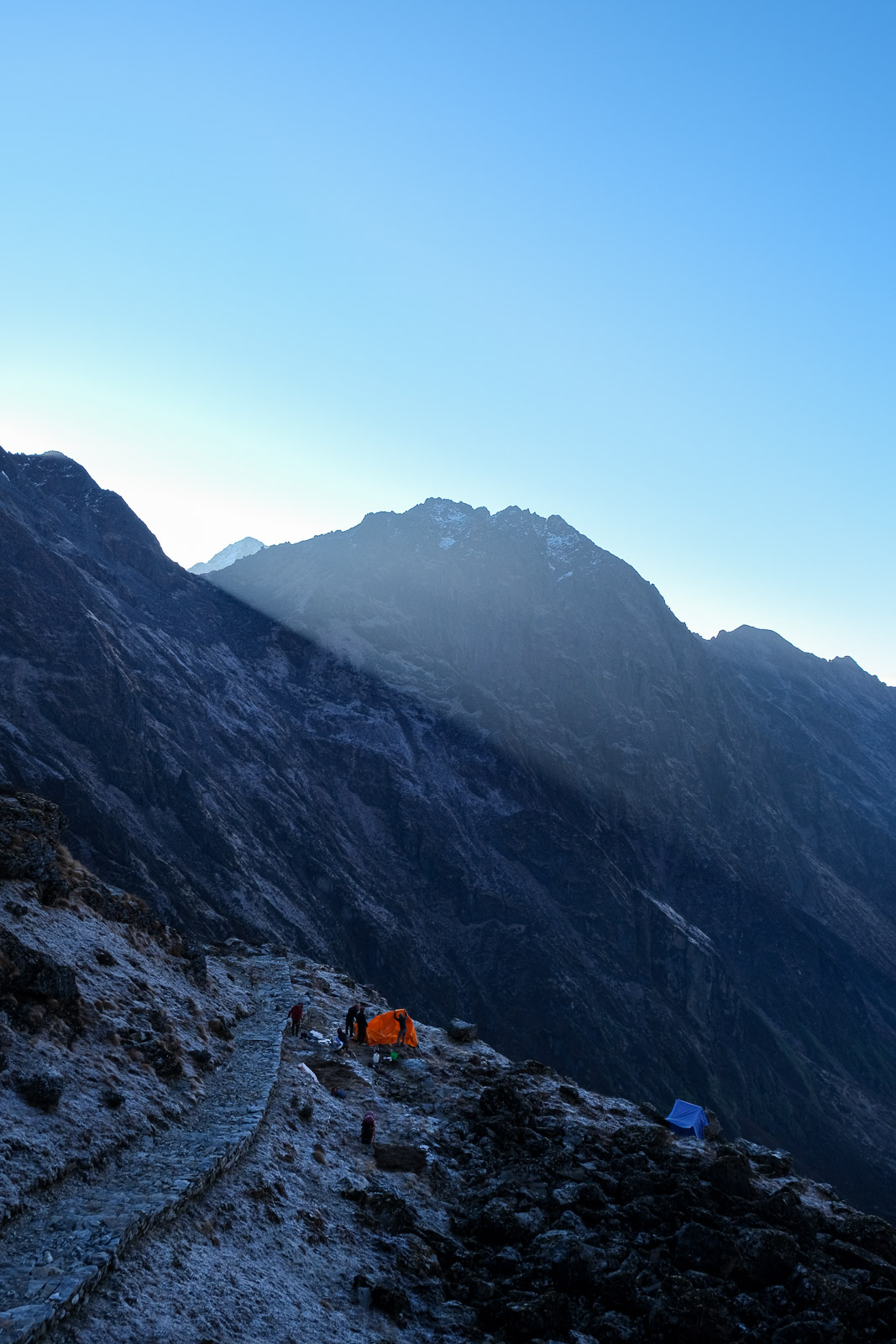
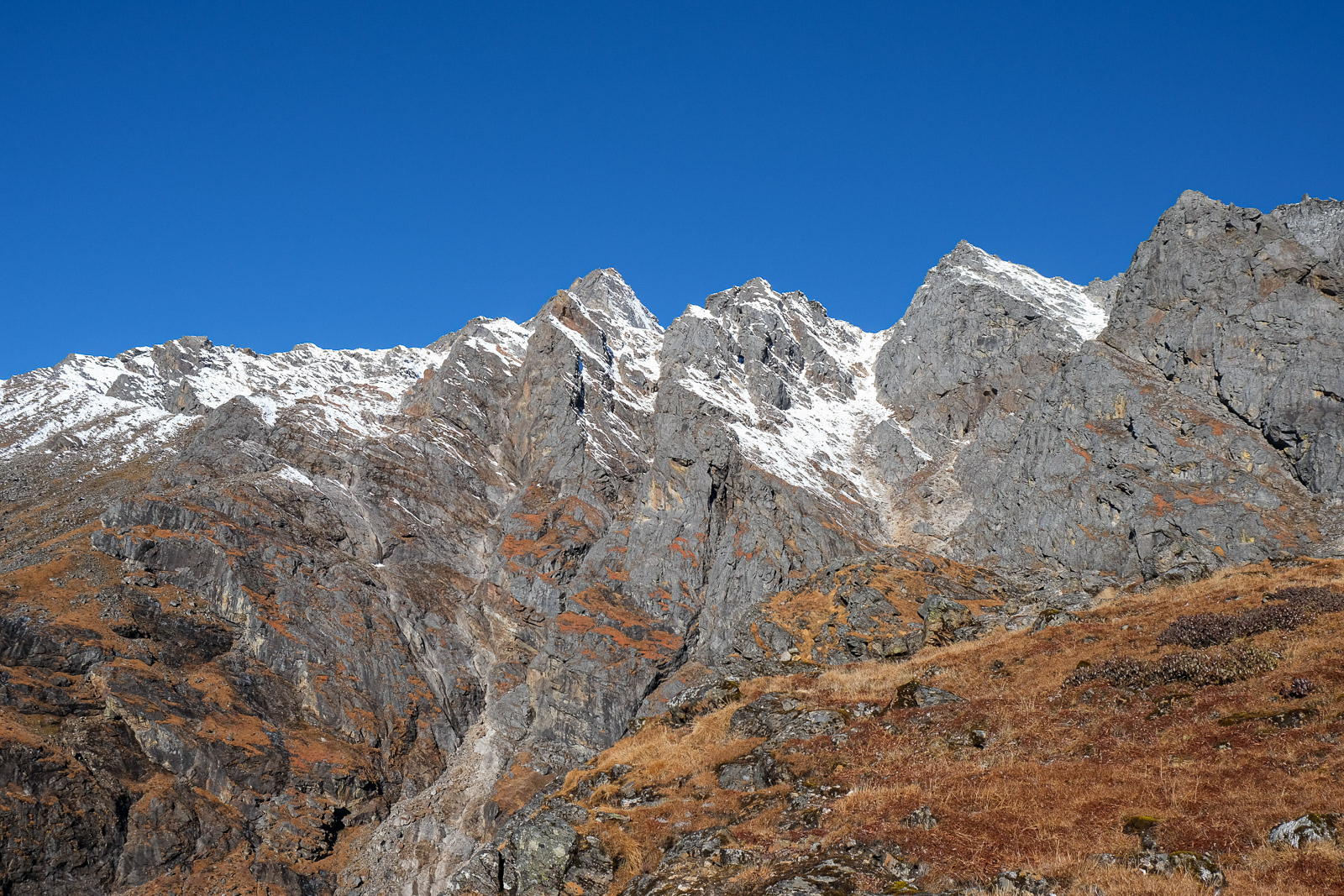
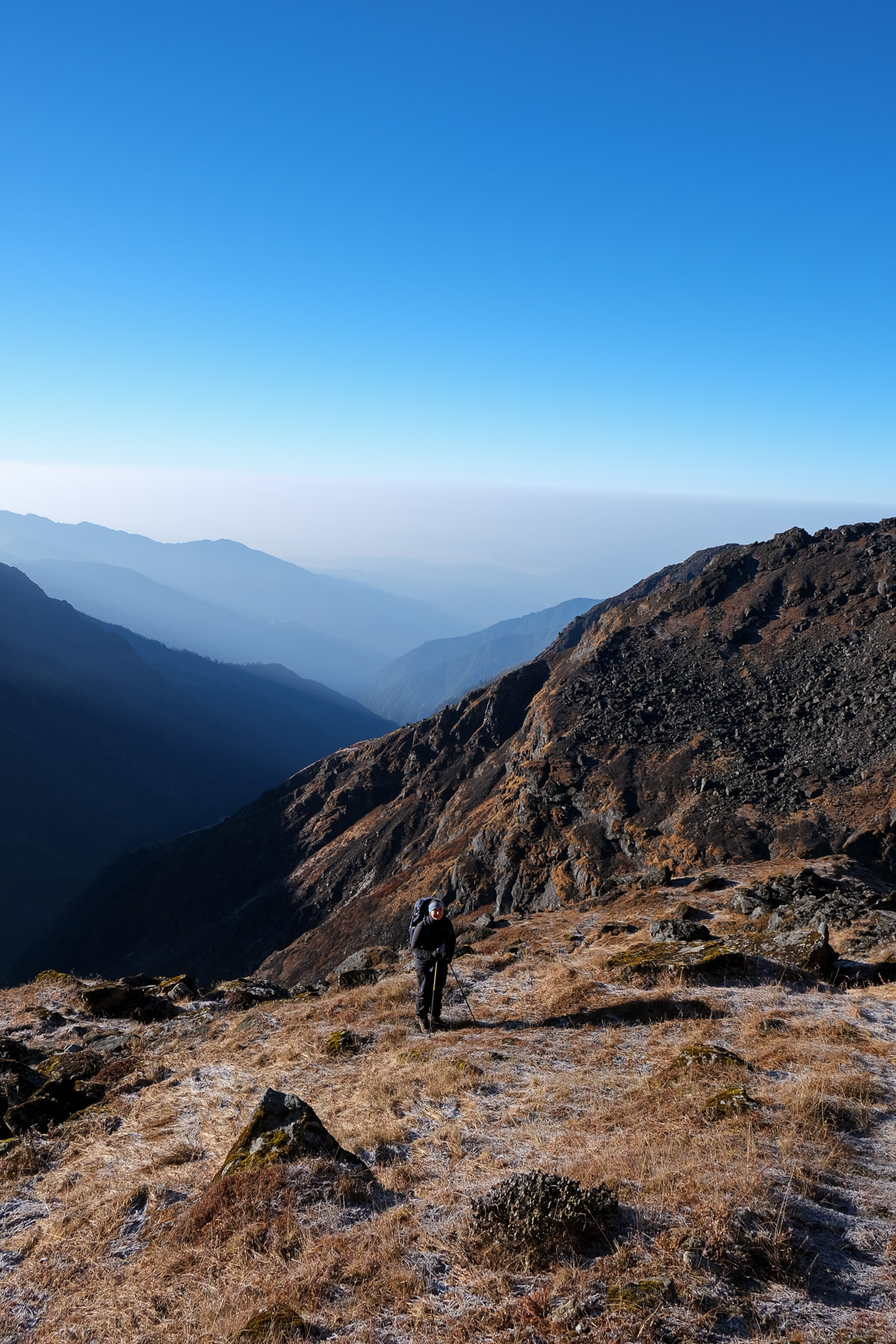
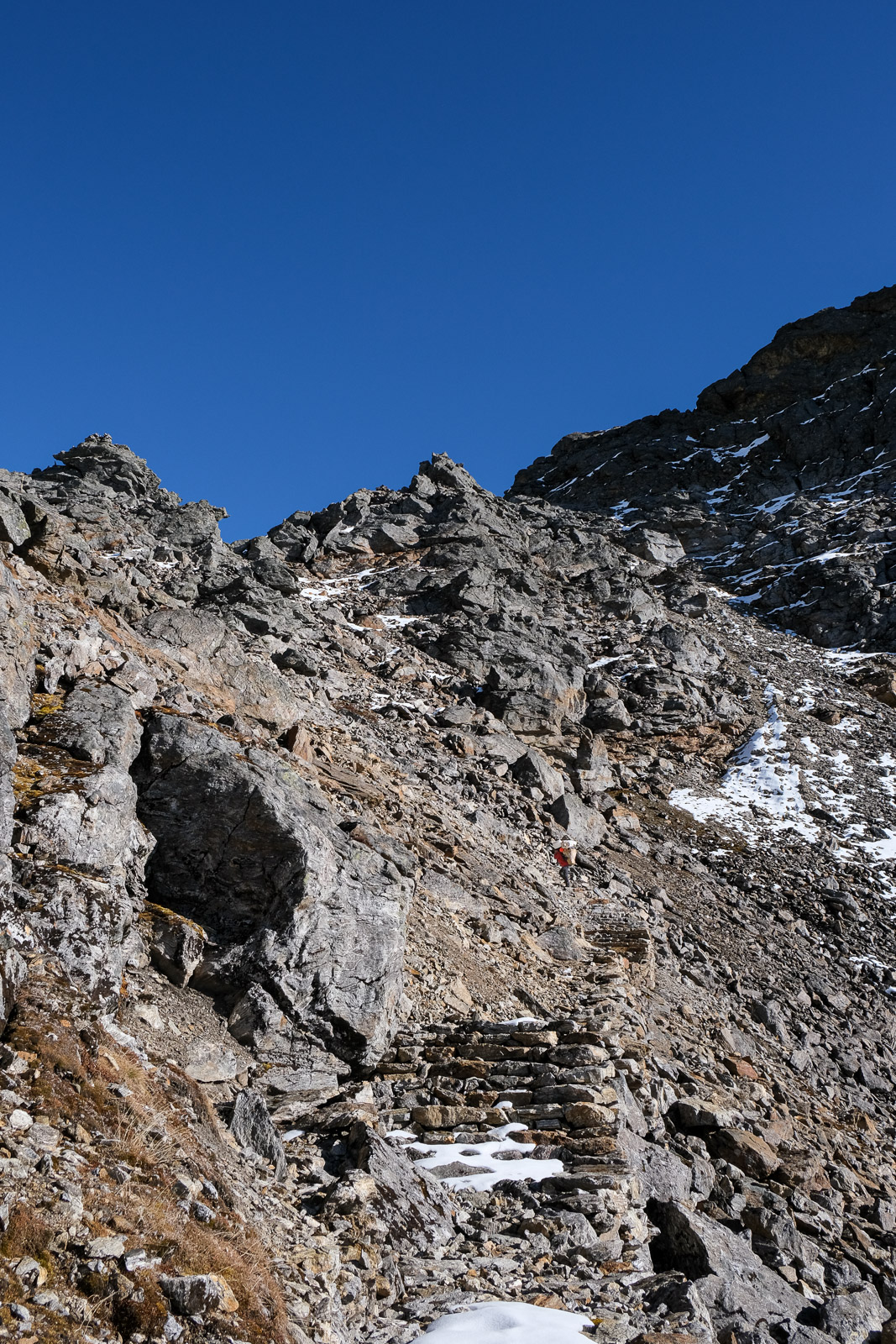
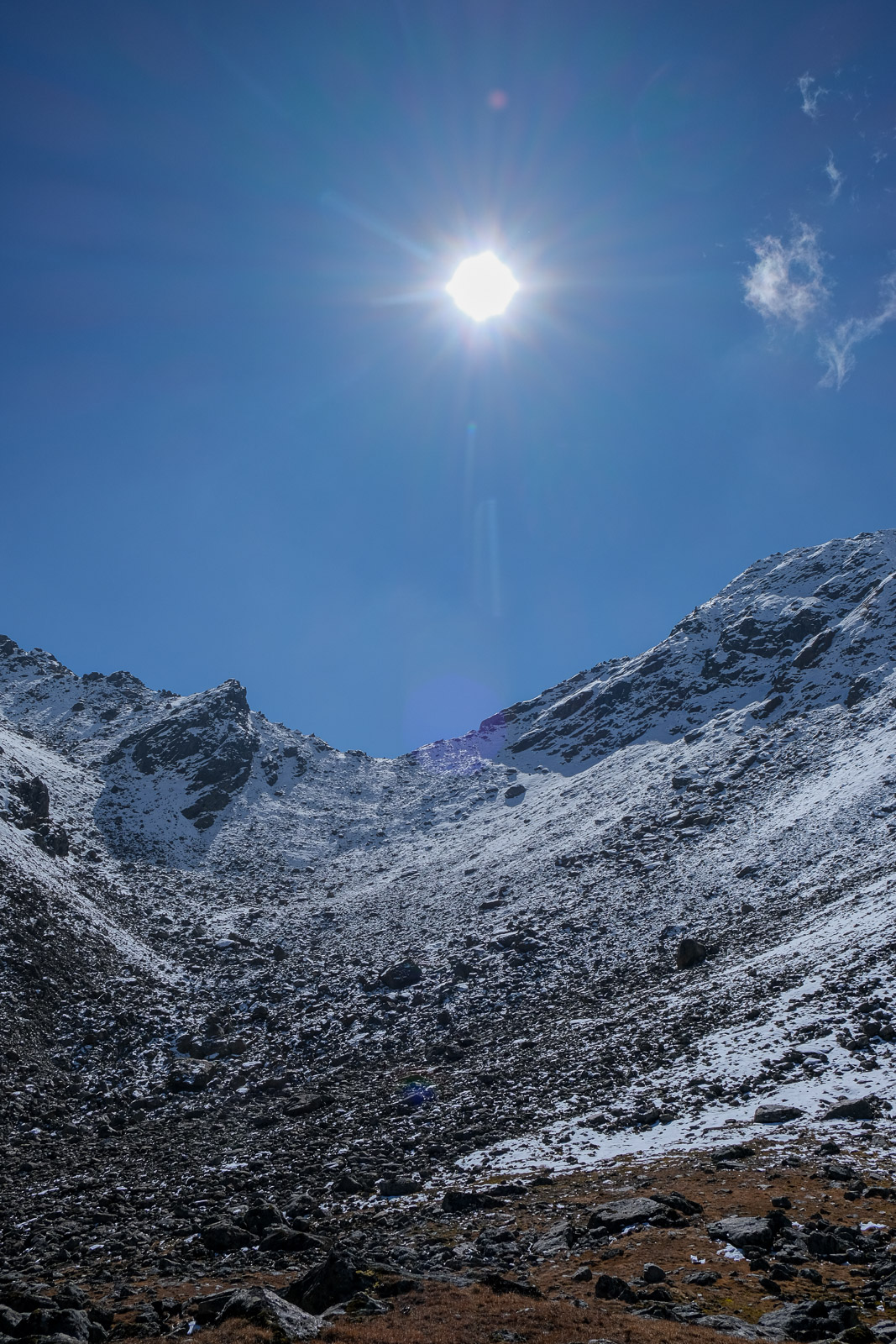
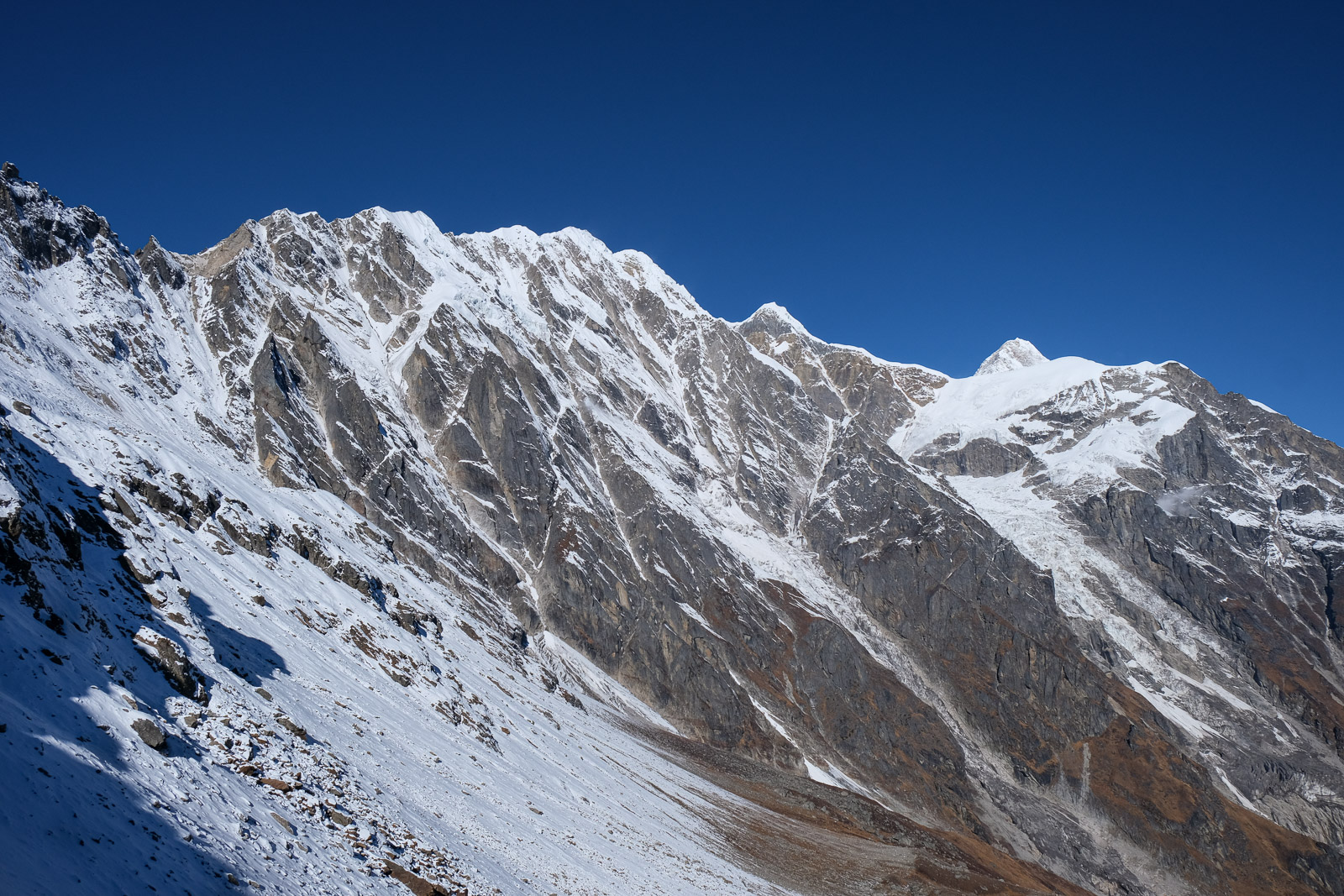
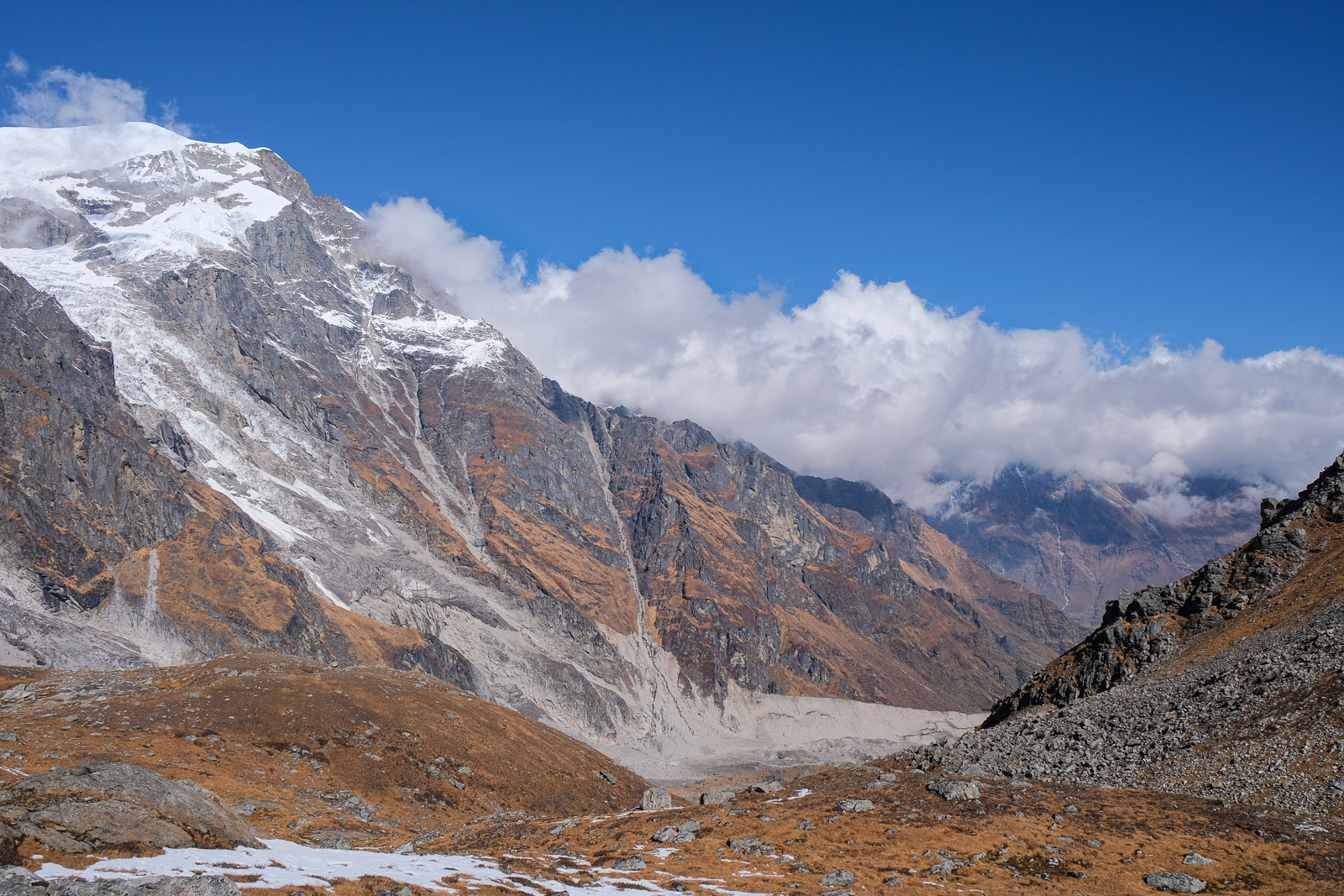
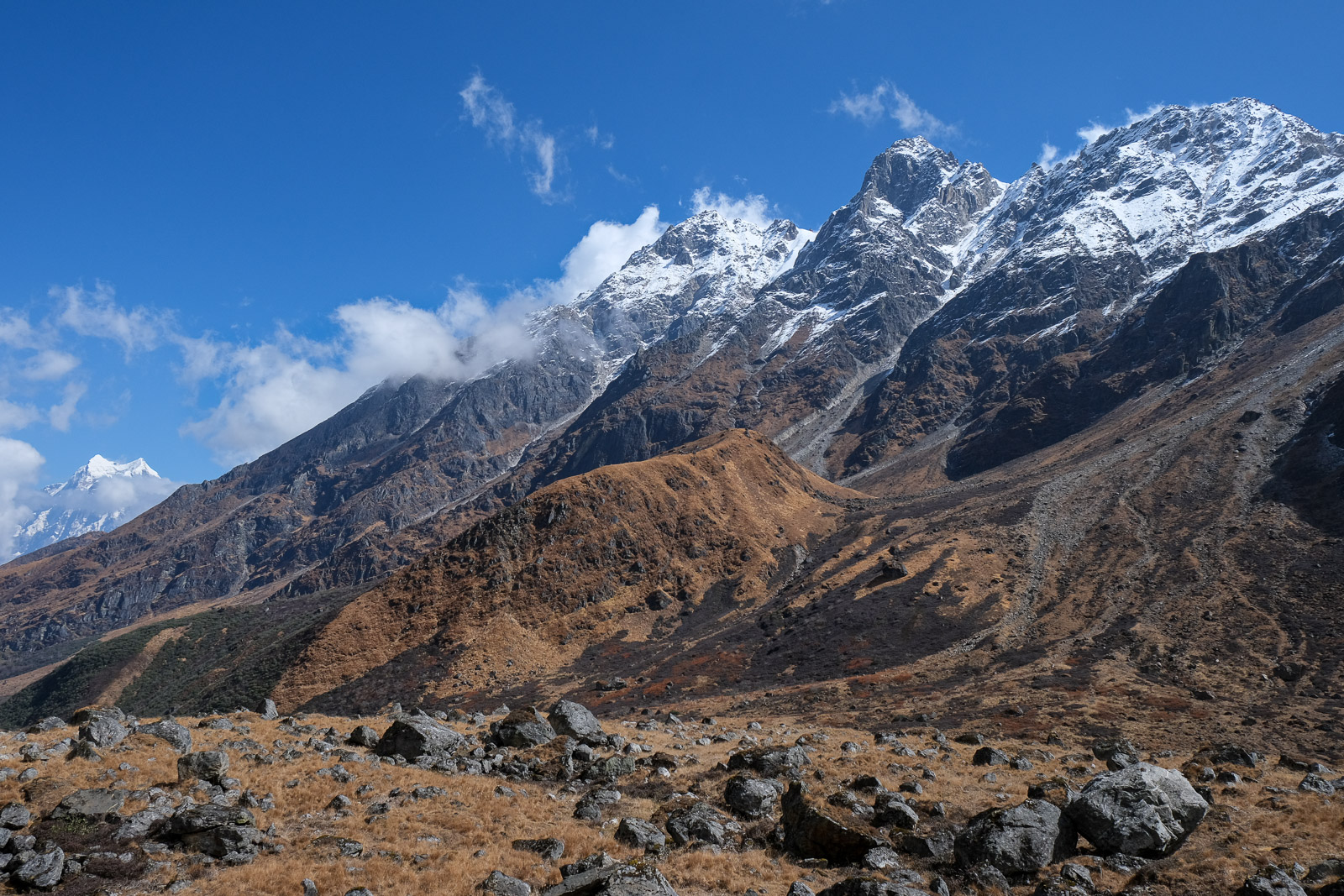
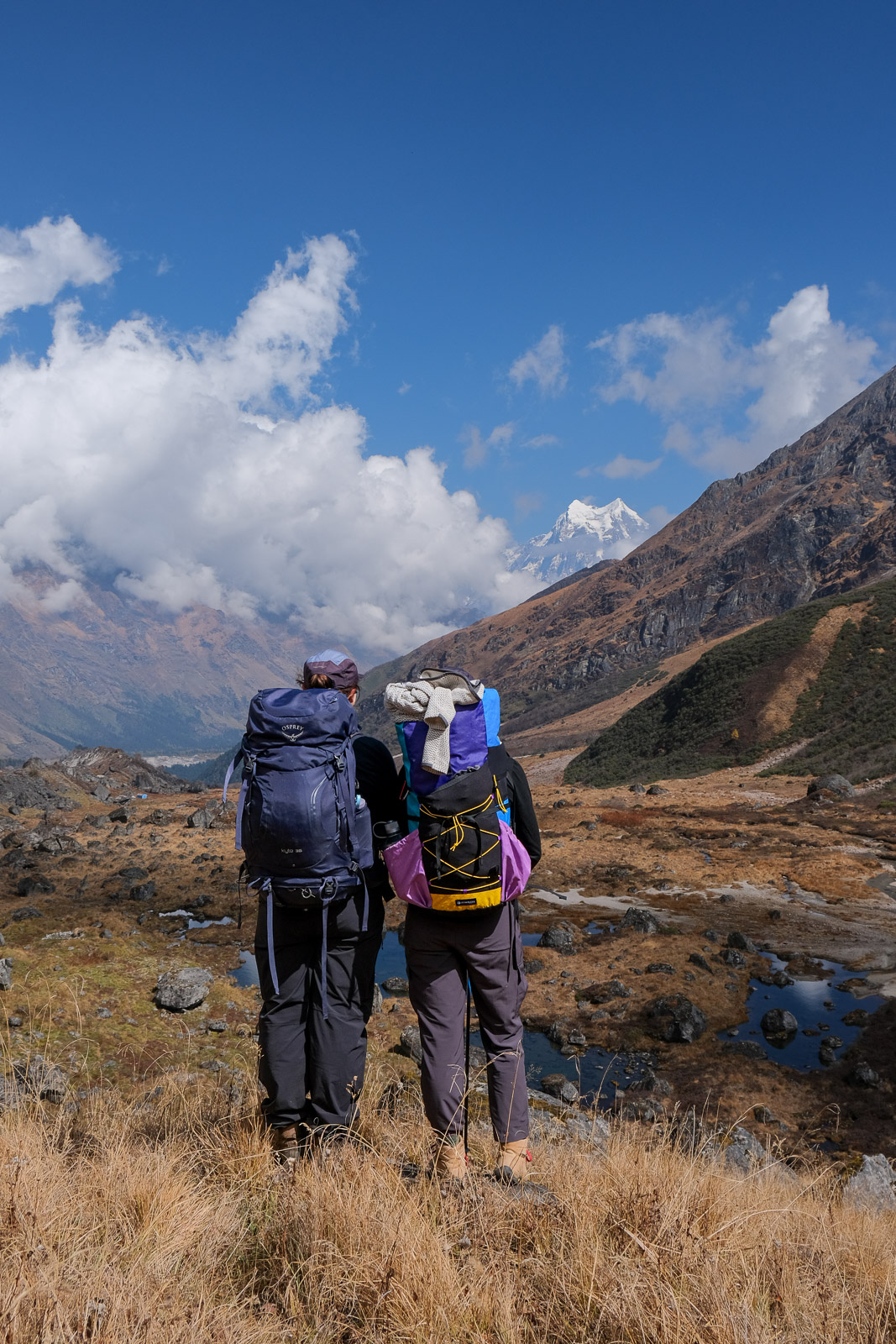
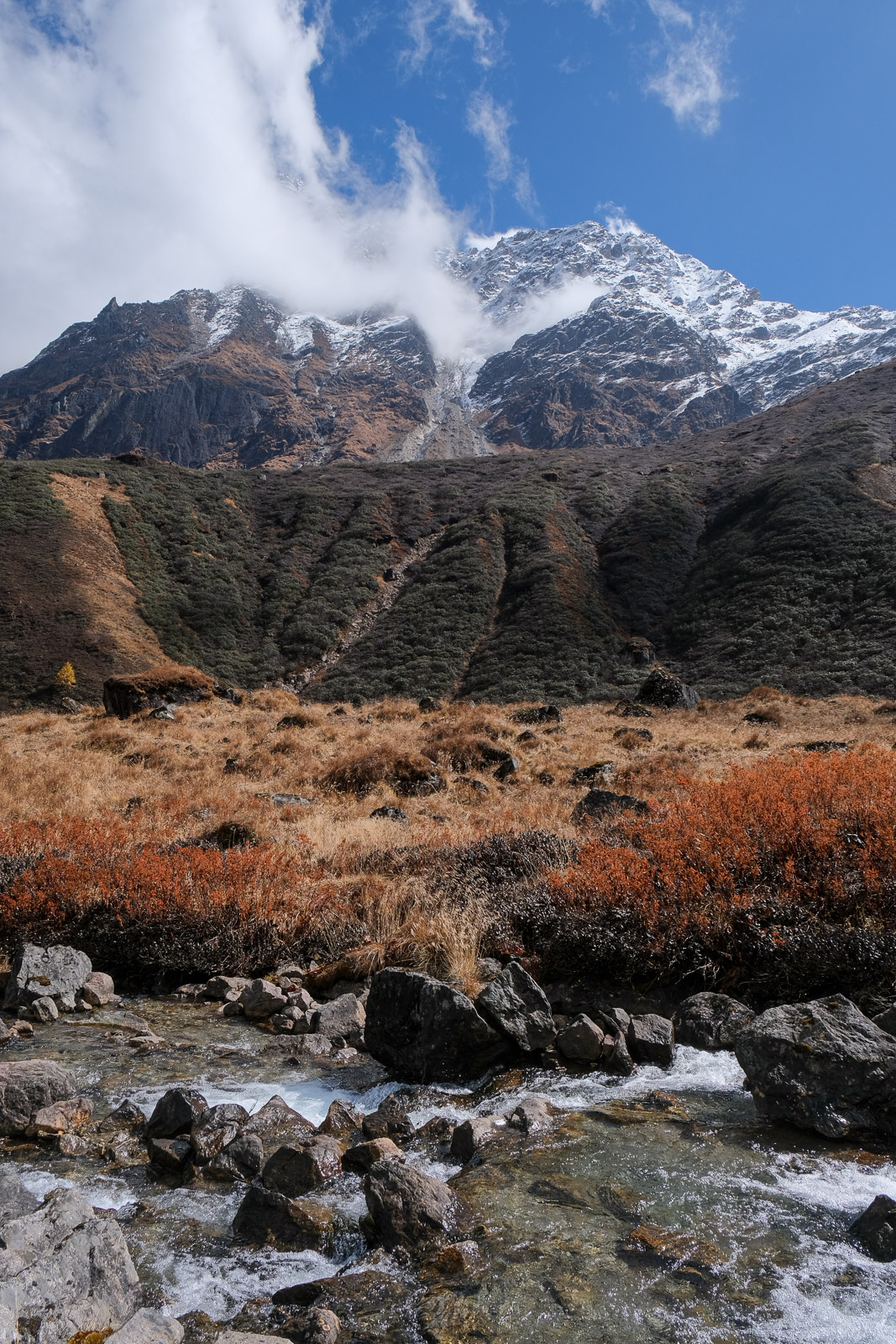
Day 5: Tharpuk Kharka (3,875 m) to Rakru Kharka (3,230 m)
Distance: 13.4 km
Elevation gain: 490 m
Elevation loss: 1,135 m
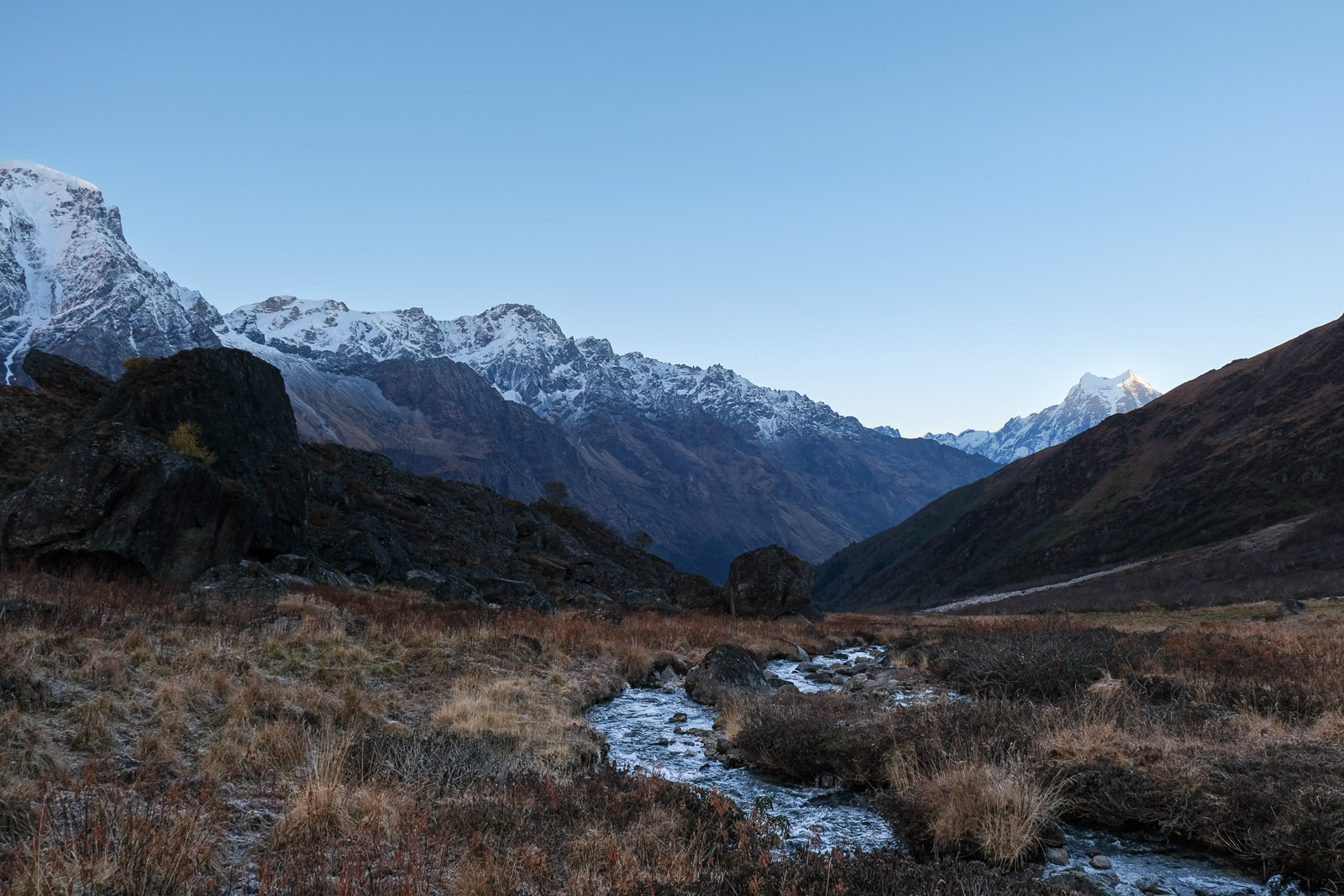
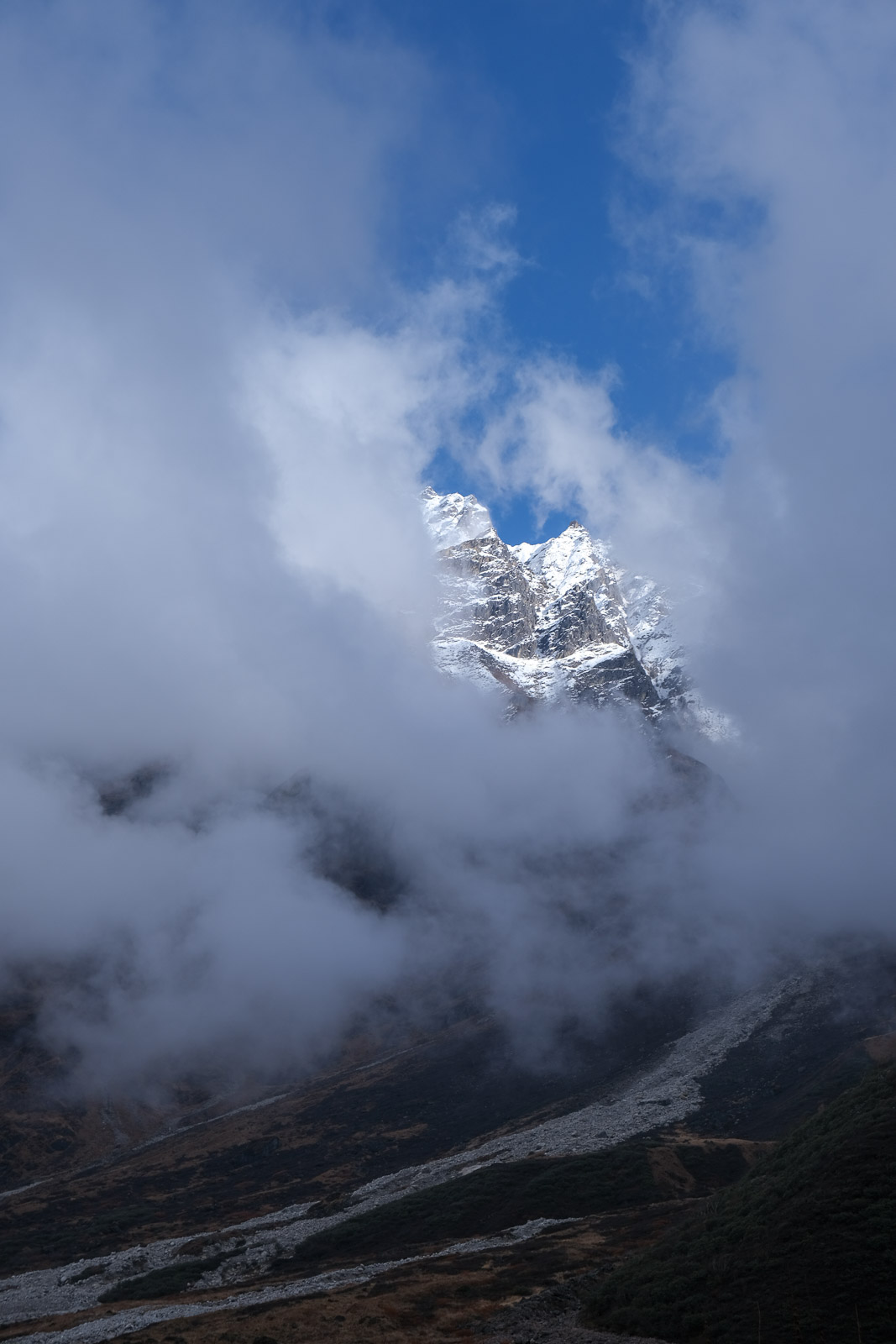
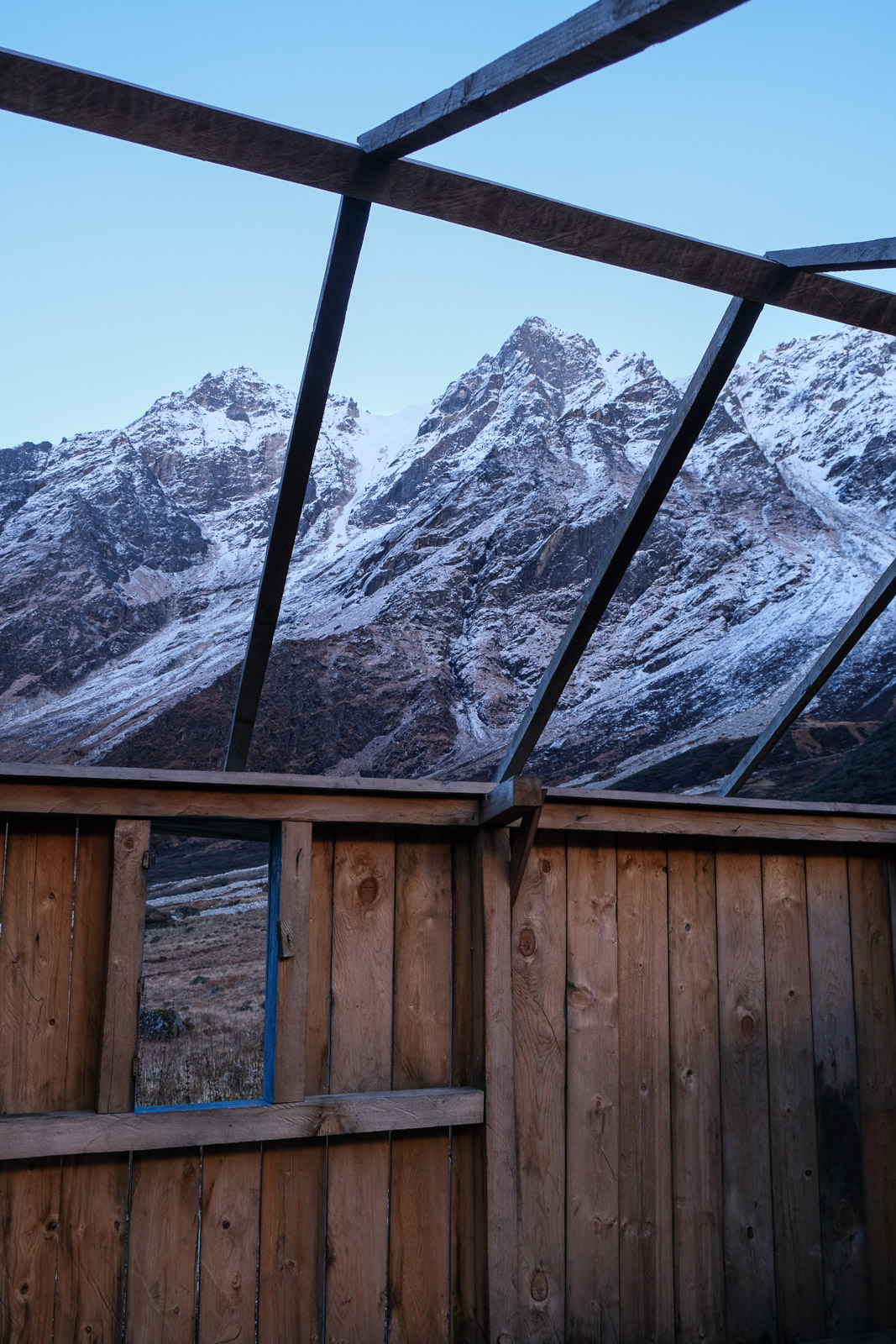
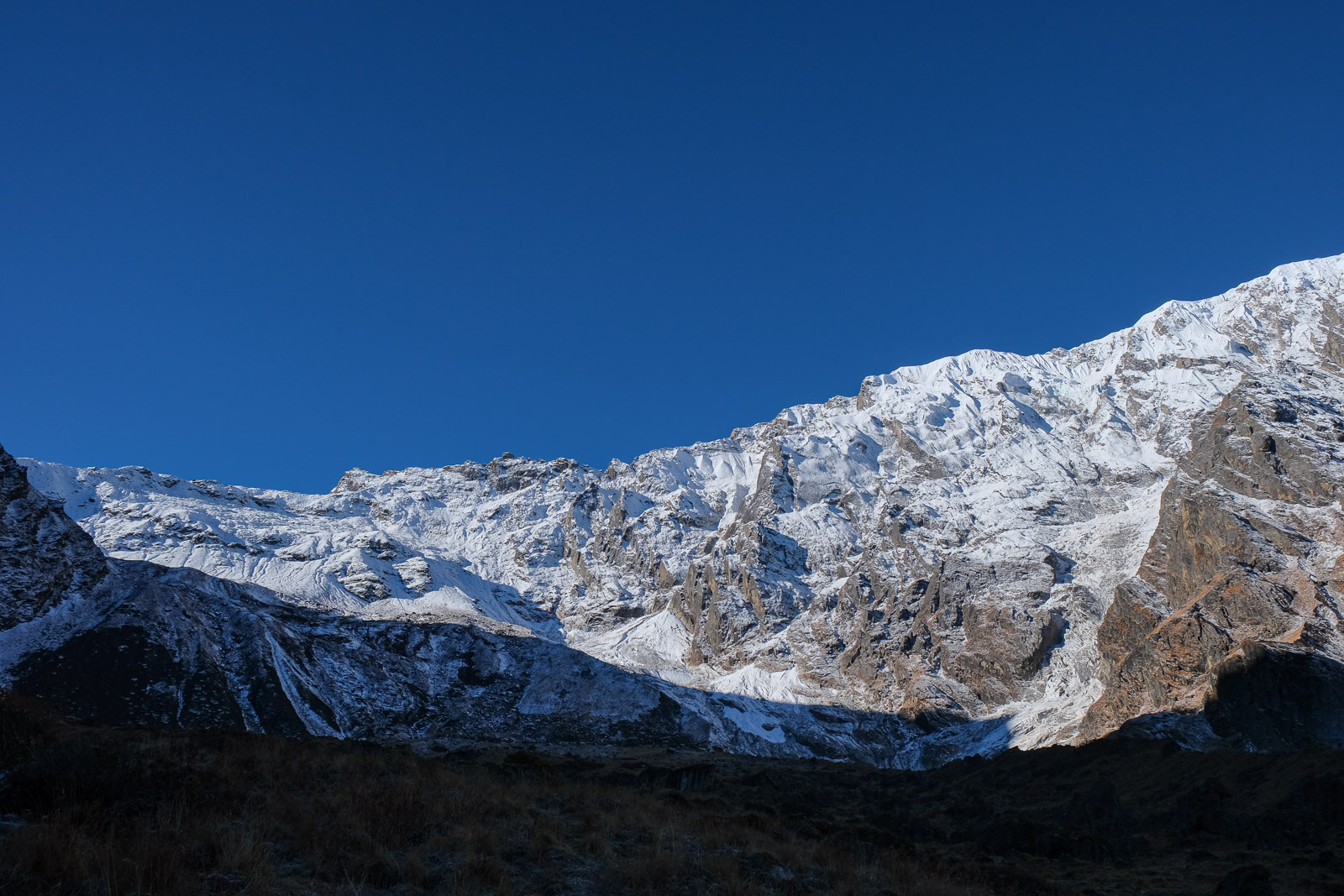
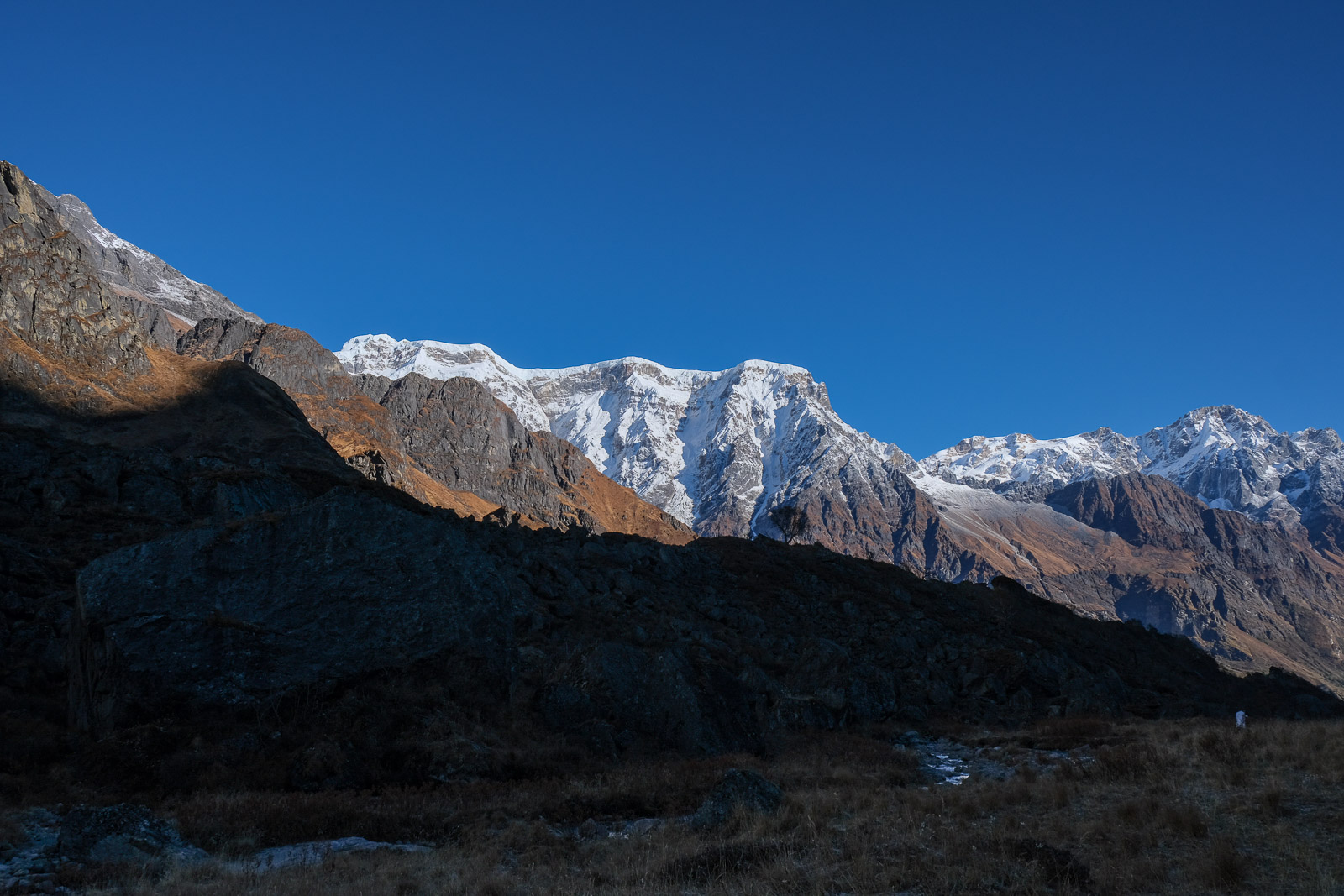
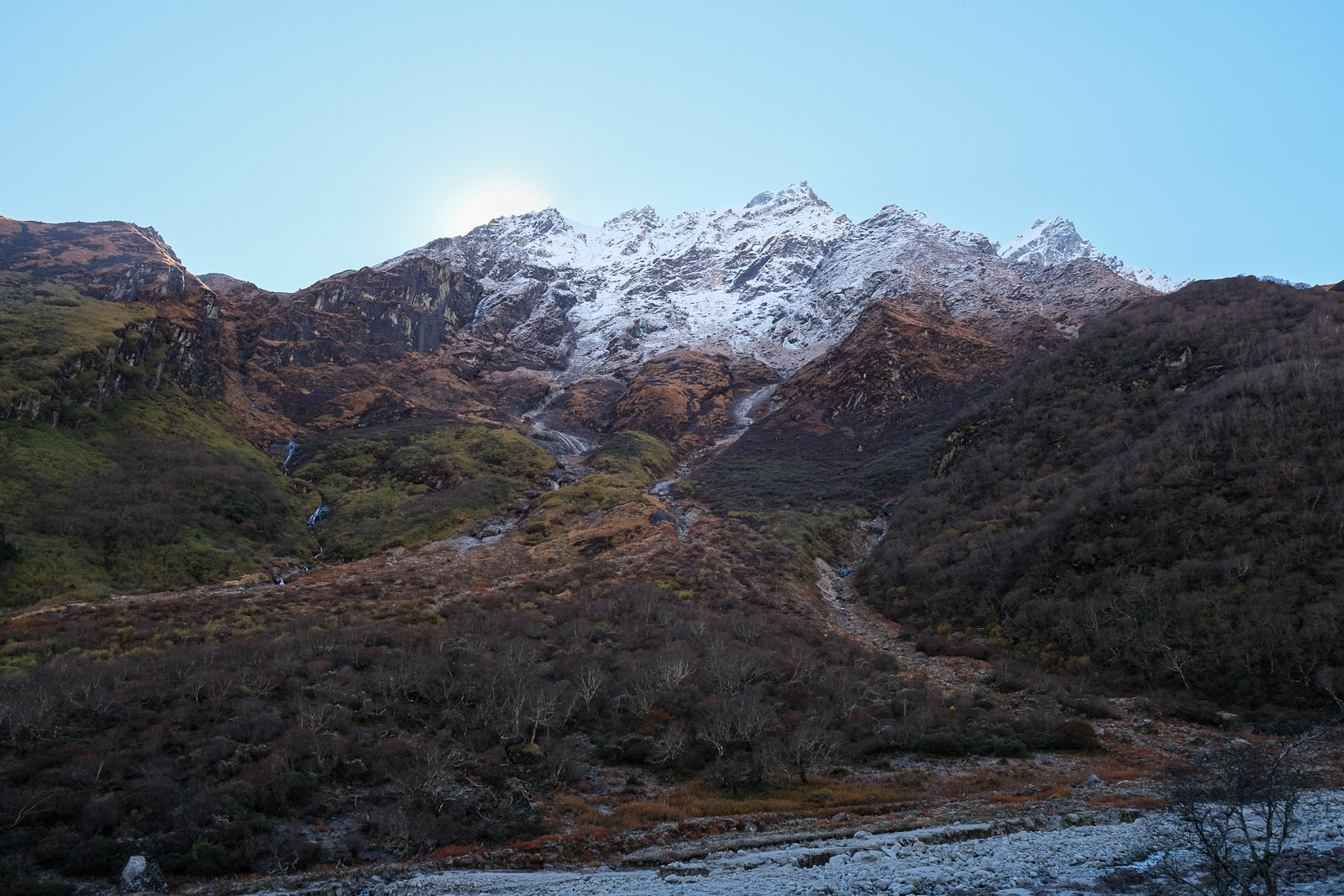
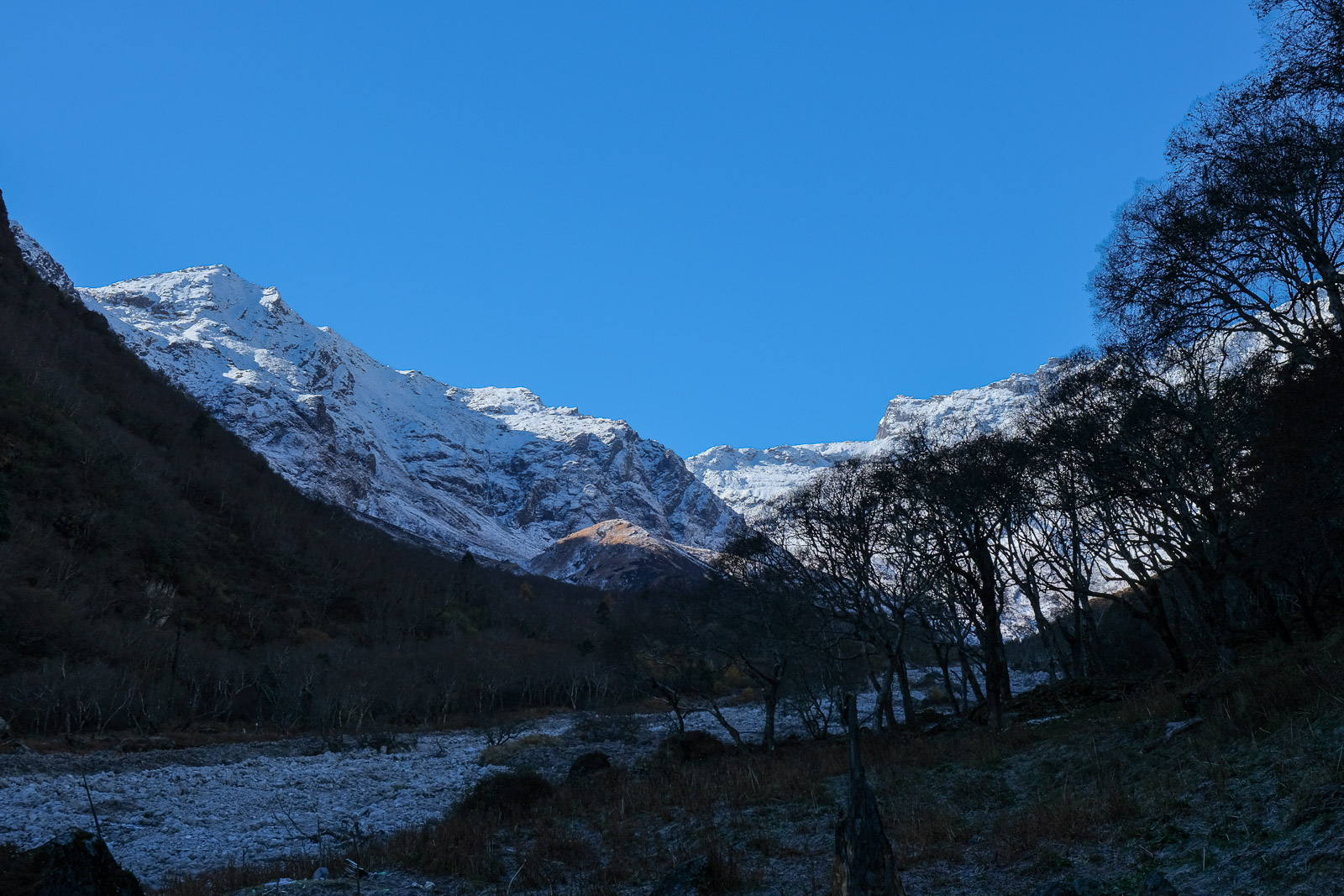
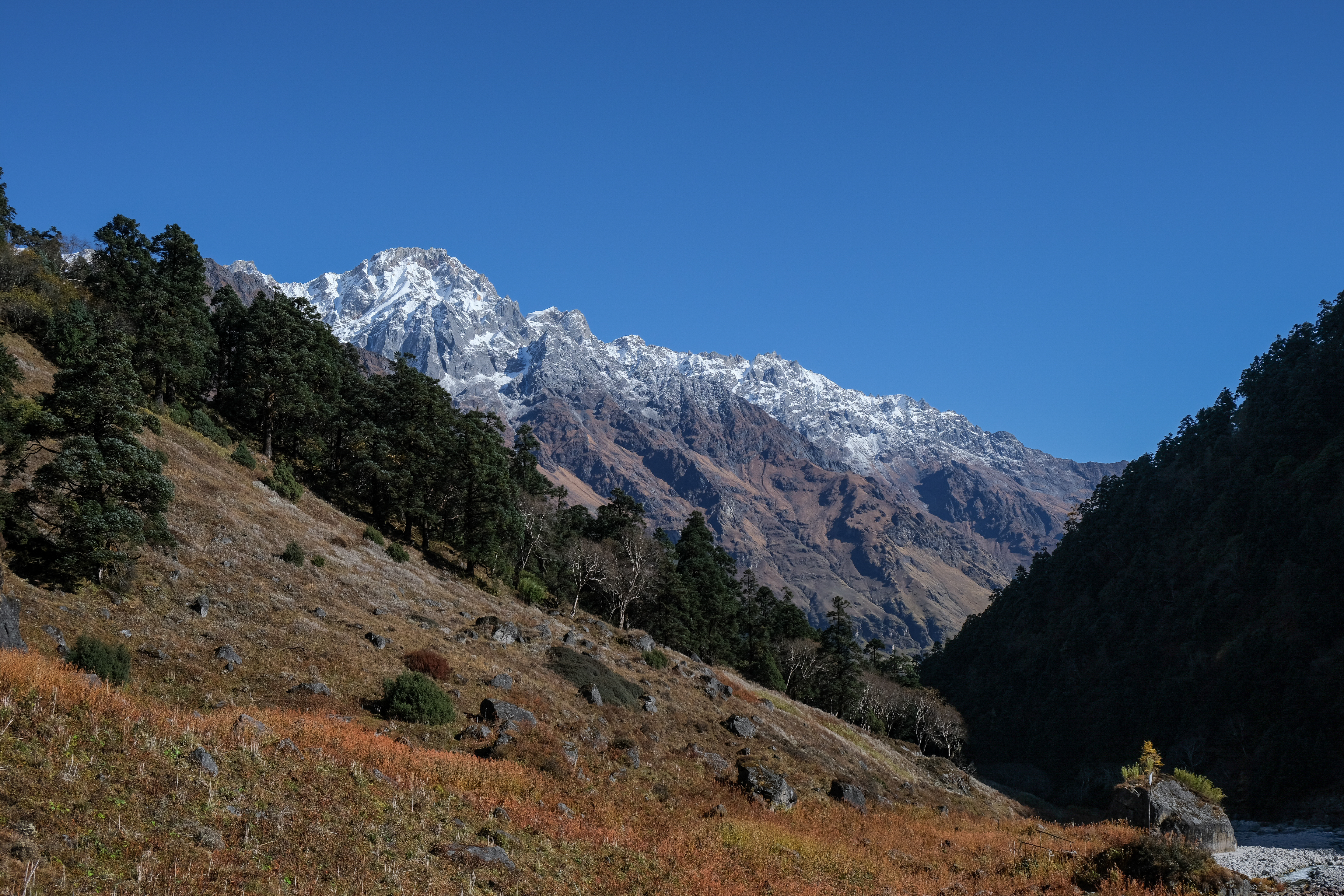
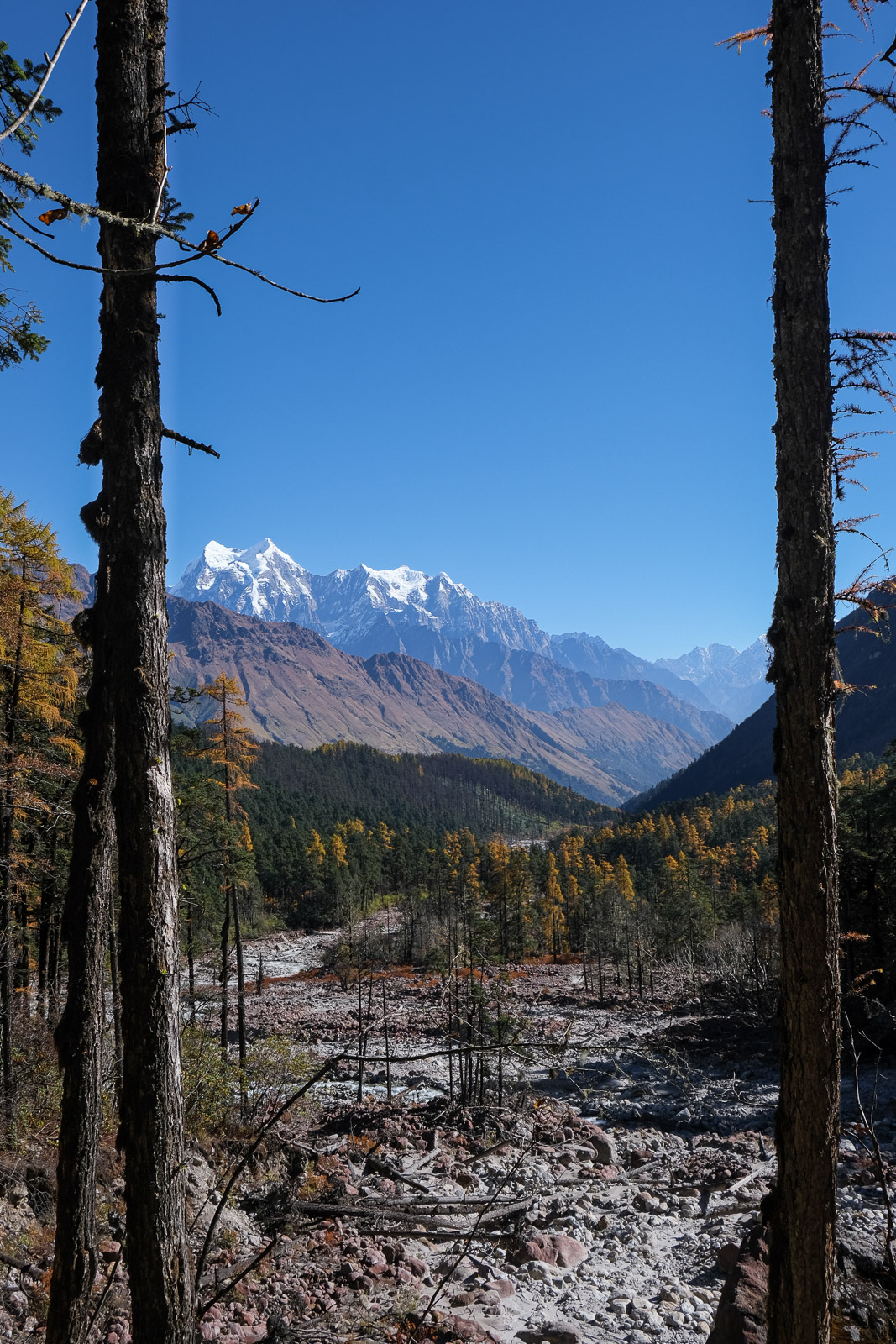
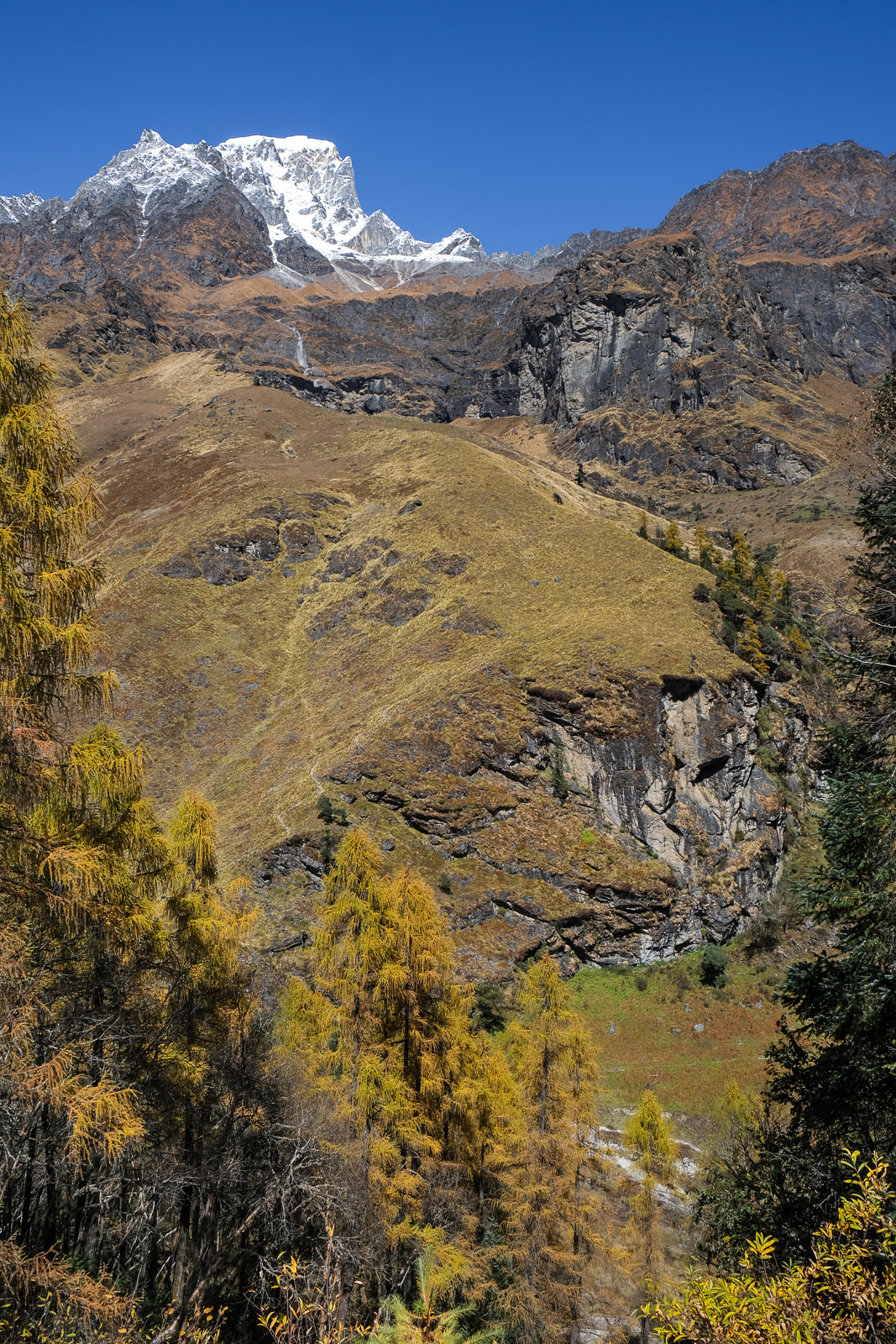
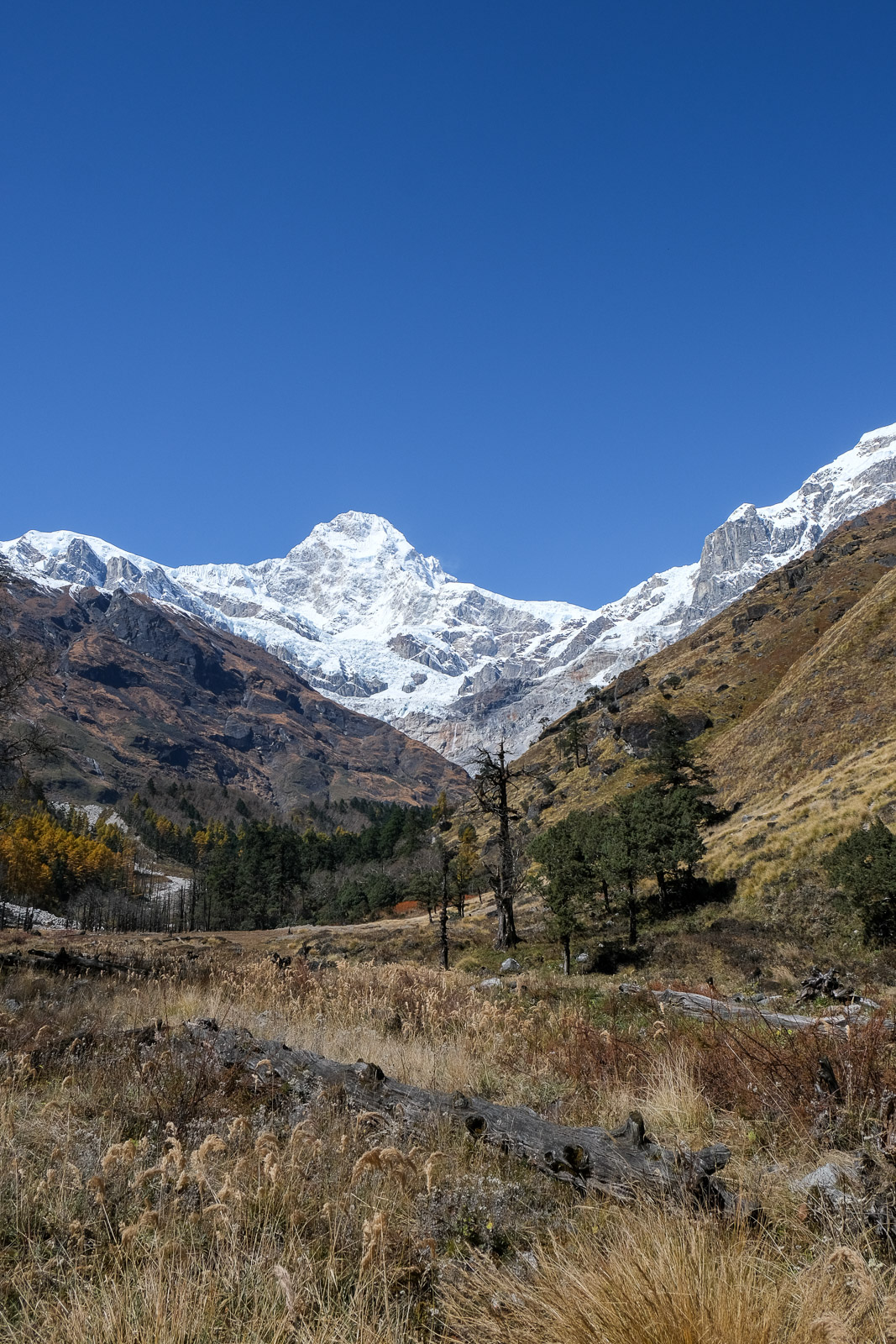
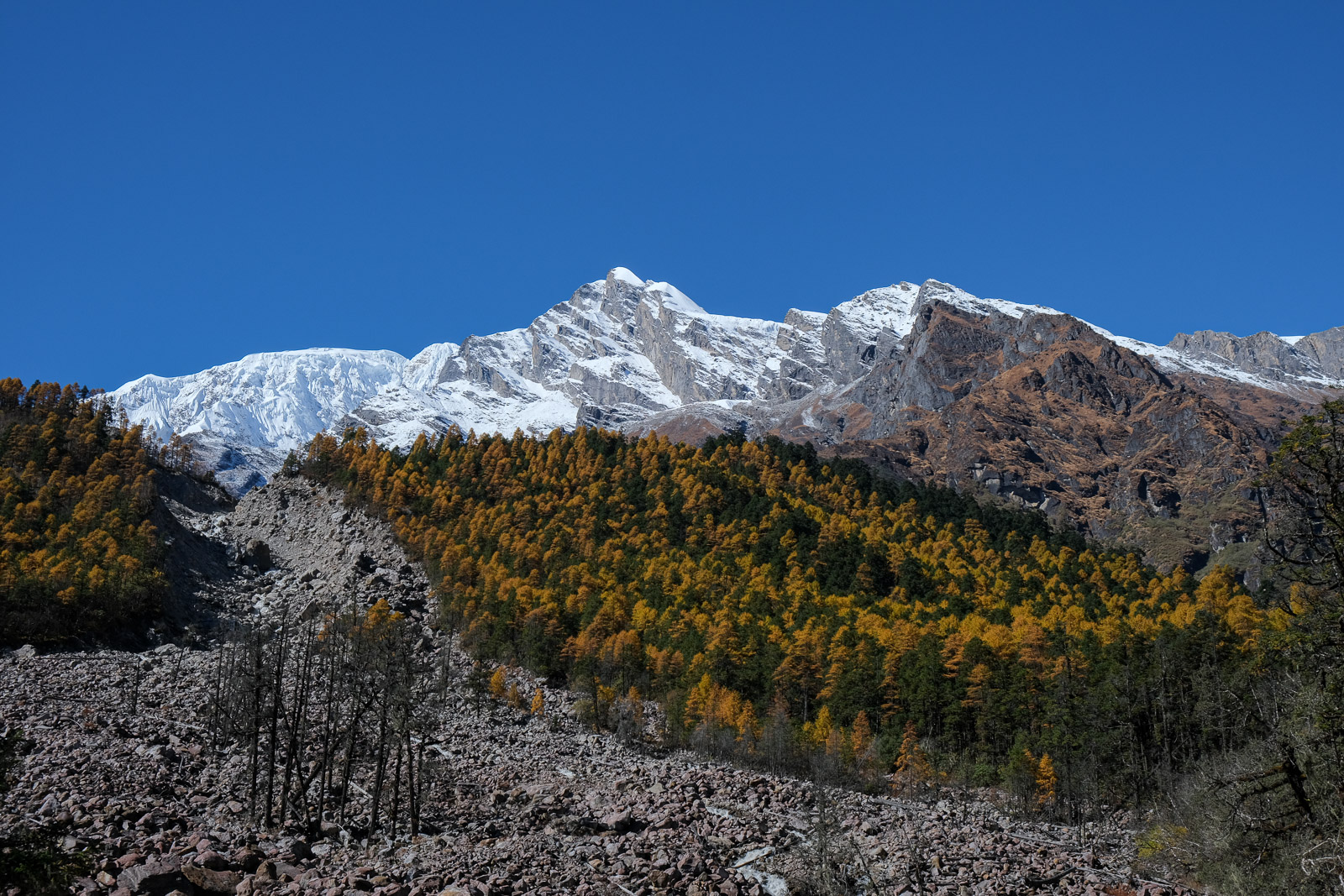
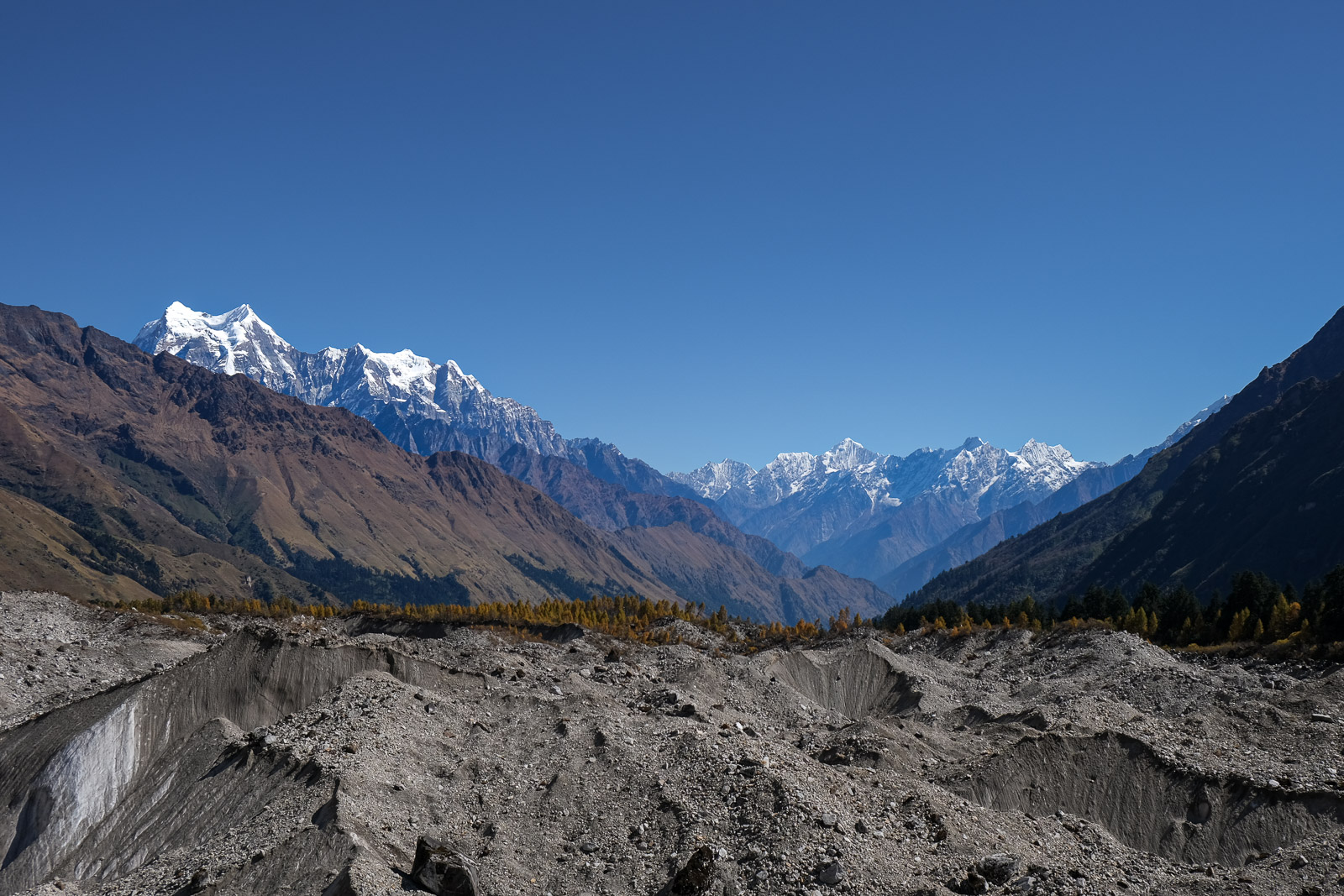
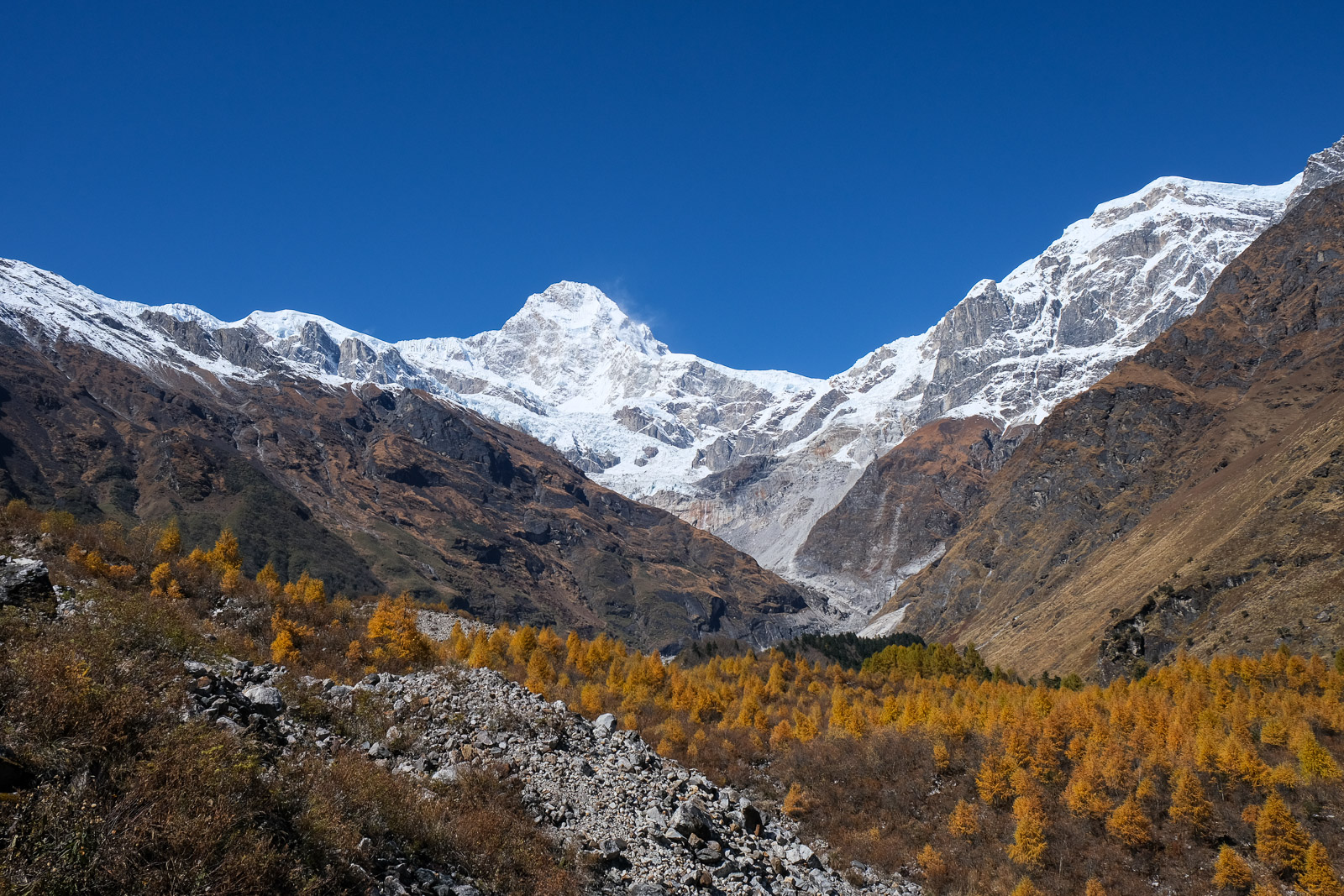
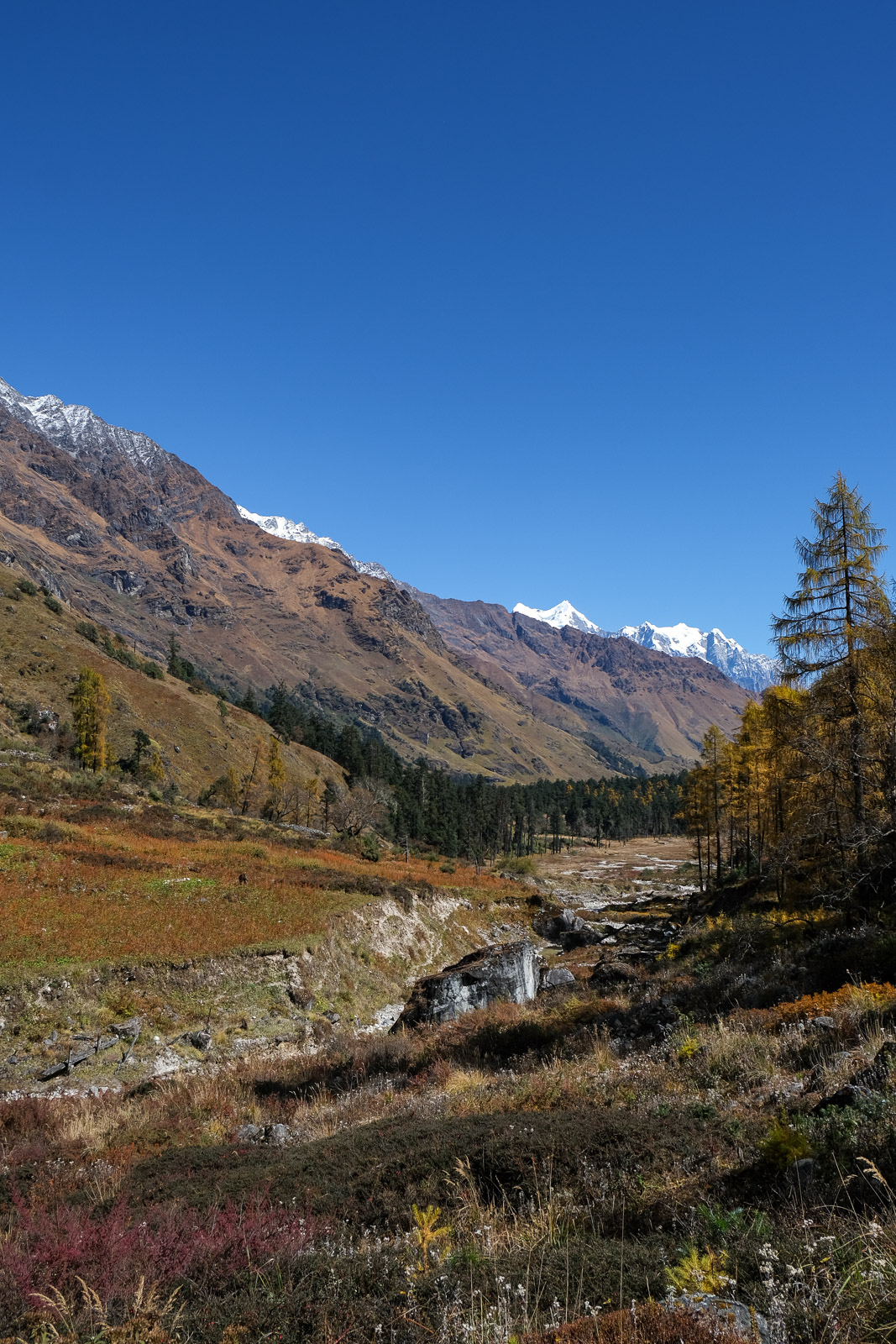
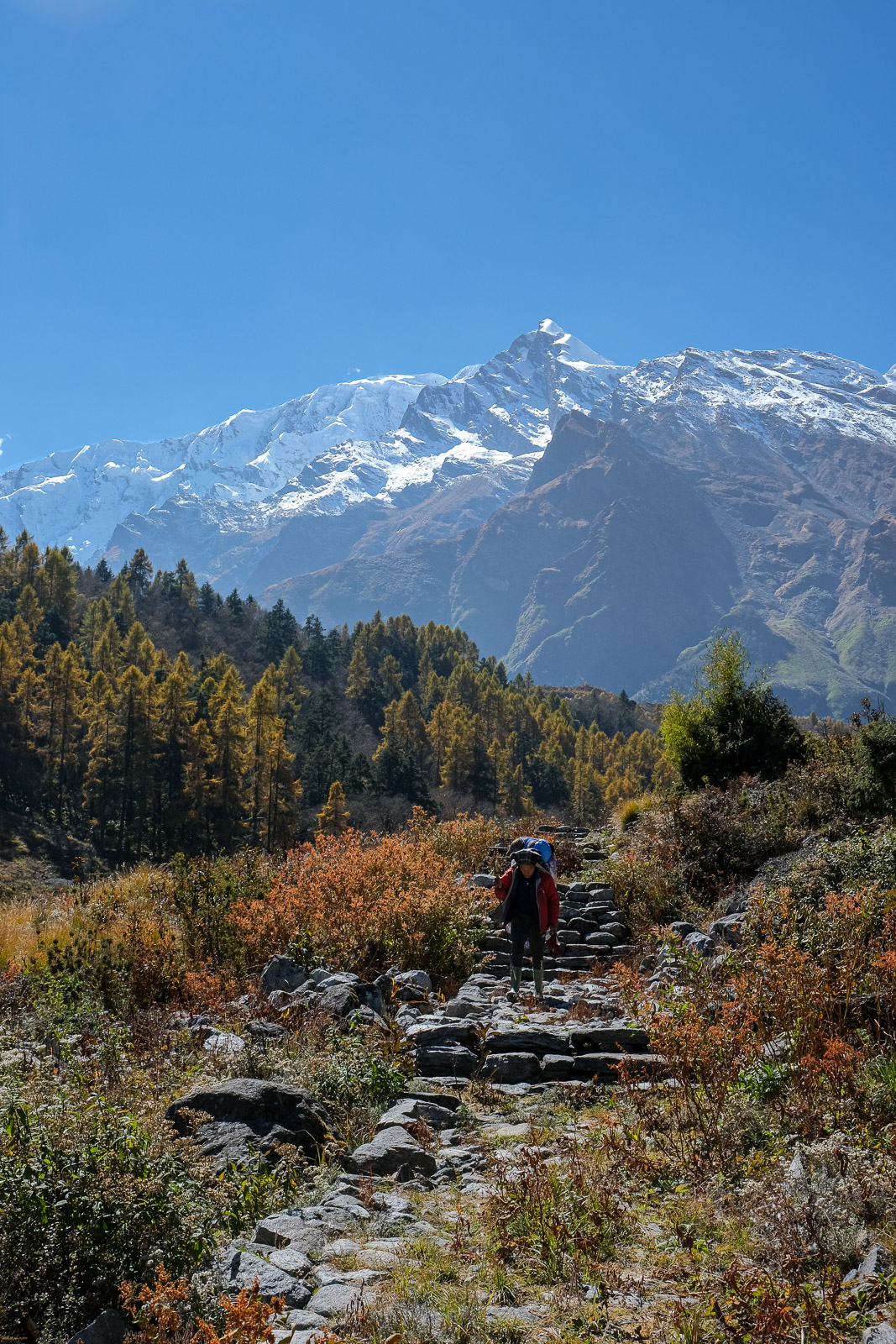
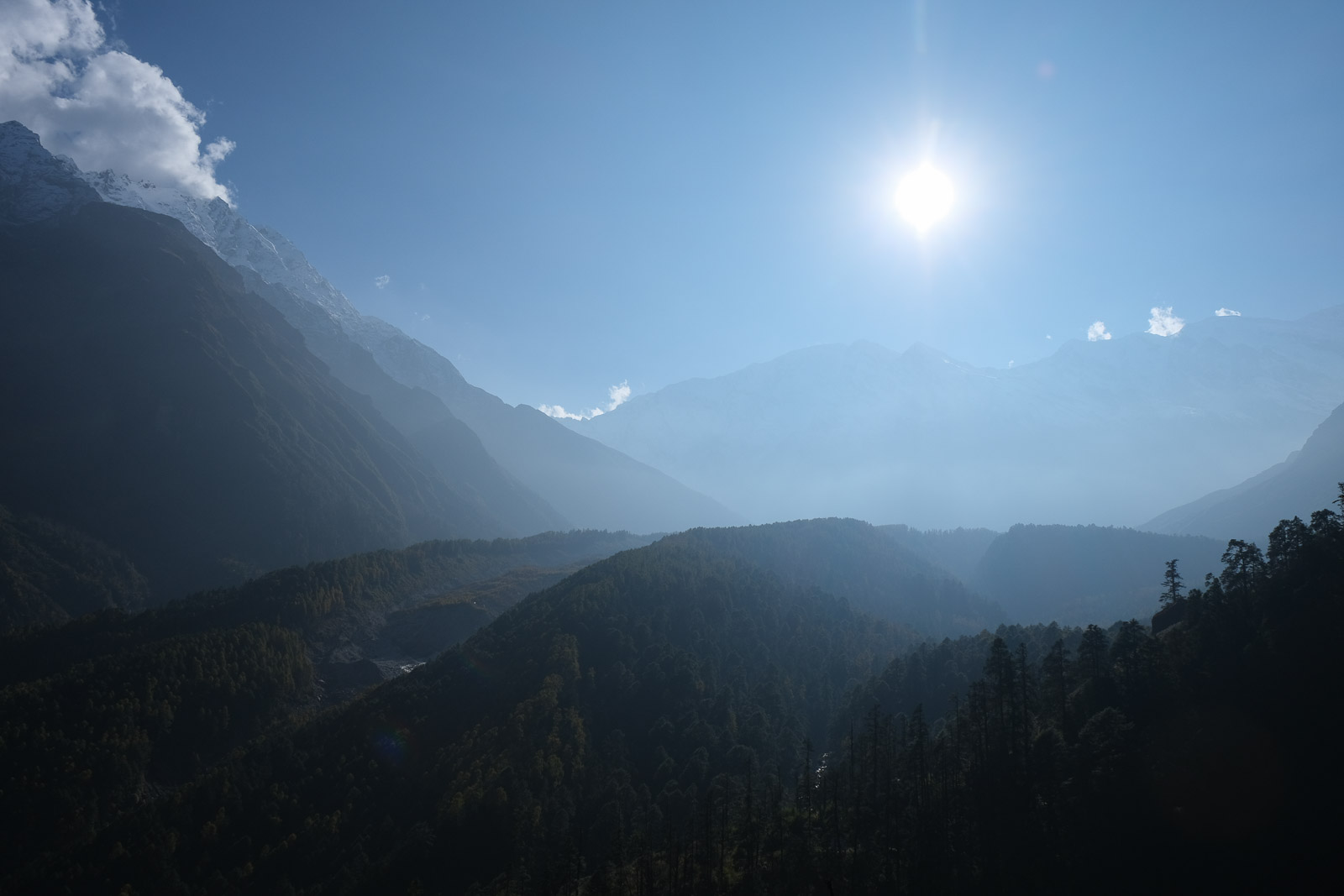
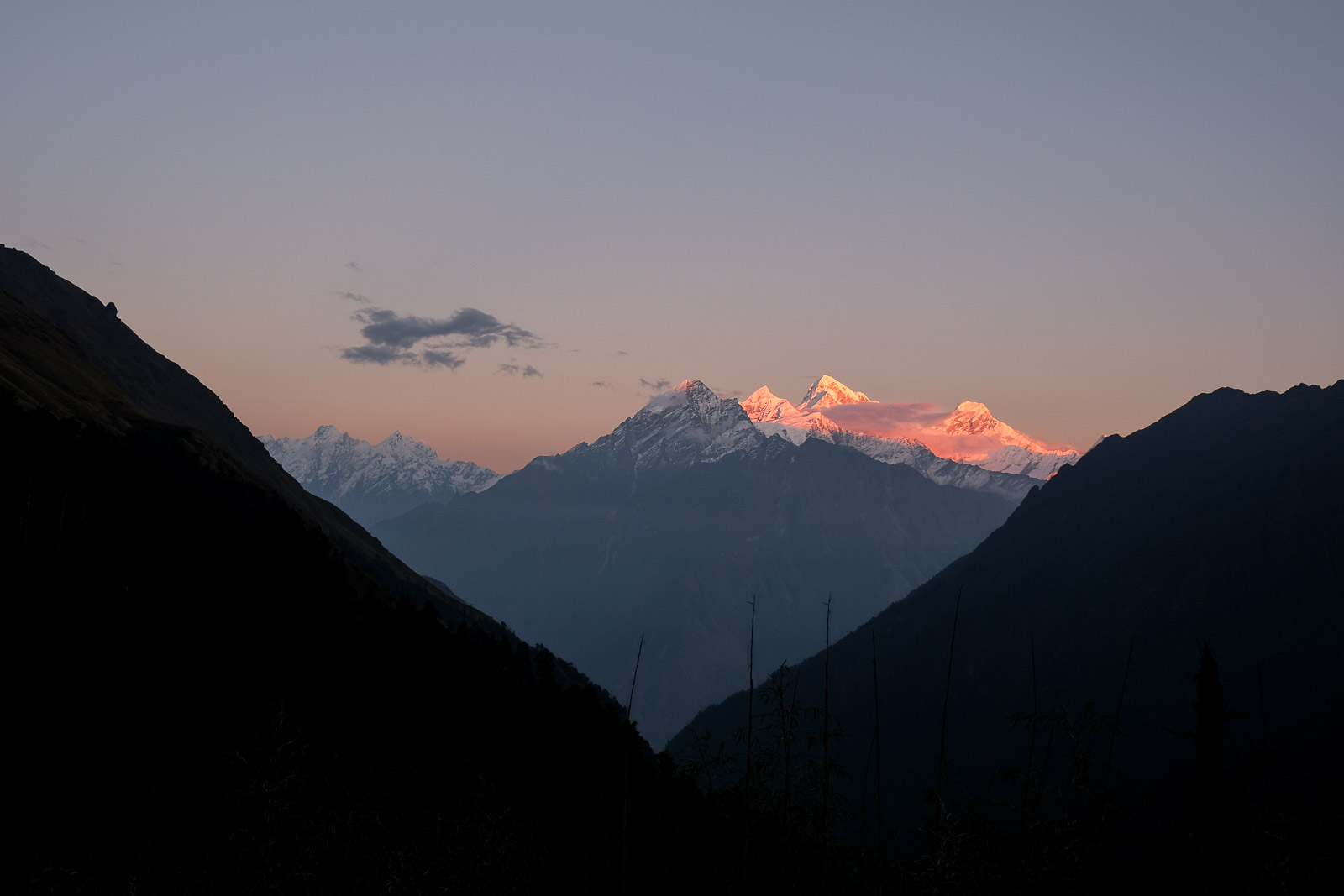
Day 6: Rakru Kharka (3,230 m) to Nyak (2,275 m)
Distance: 14.6 km
Elevation gain: 635 m
Elevation loss: 1,585 m